Why 'Train to Skaville' Still Moves People
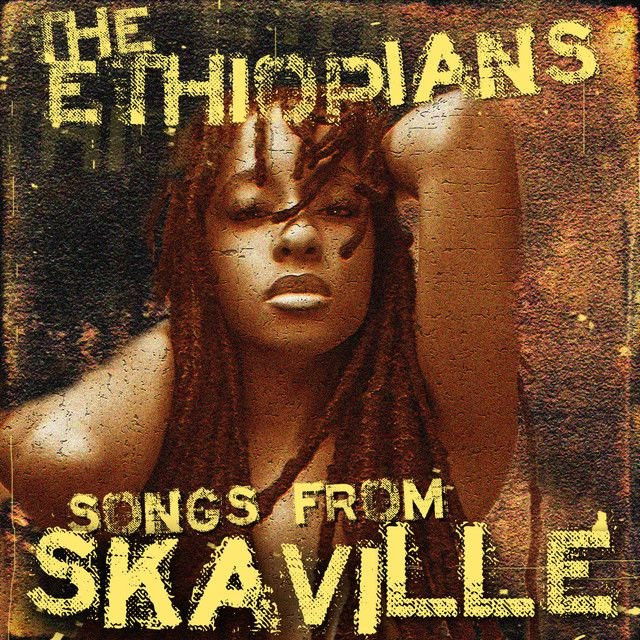
The meaning of Train to Skaville The Ethiopians starts with a simple image: a train leaving the station and asking everyone to climb aboard. But this 1967 ska hit is not just about travel. It turns motion into a feeling of freedom, belonging, and excitement.
"Train to Skaville" - The Ethiopians
Train to Skaville
Chicke chicke chicke
Loading lyrics...
Unable to load lyrics
We're unable to display the lyrics at this time. Please try again later.
The Ethiopians were one of Jamaica’s most loved vocal groups of the ska, rocksteady, and early reggae years, led by Leonard Dillon. According to widely cited band history, the single was self-produced with financial backing from Leebert Robinson, released on WIRL, and became a major hit in Jamaica before making the UK chart and helping bring the group to Britain for touring. Those facts matter because the song itself sounds built to travel: catchy, communal, and instantly welcoming.
A Train Ride That Feels Like an Invitation
On the surface, the song is very direct. It keeps calling listeners onto a train heading for Skaville
, with playful sound effects and crowd energy. The words are minimal, but that is part of the charm. They create a scene instead of telling a long story.
Interpretation: Skaville works less like a map location and more like a musical destination. It is a place where ska becomes a shared world. When the song says Pick your seat
and Everyone on board
, it frames that world as open to anyone ready to join.
That inclusive mood helps explain the song’s lasting appeal. It does not talk down to the listener or hide behind complexity. It says: come along, be part of this movement, feel the rhythm.
Watch the official Train to Skaville
music video
How a Few Words Carry a Bigger Theme
The lyric sheet is short, yet one idea stands out strongly: freedom. Near the end, the song shifts from pure travel fun toward release and uplift.
Free man free
Free as a bird in a tree
That small moment opens the song up. Before and after those lines, the train is playful and social. Here, the ride starts to sound emotional too. They suggest more than dancing; they suggest lightness, escape, and dignity.
Interpretation: This may be why the song feels bigger than a novelty record. The train can be heard as a vehicle out of struggle and into joy. In Jamaican popular music of the 1960s, everyday life, aspiration, and music often met in compact, memorable images. The Ethiopians were especially good at that.
Leonard Dillon’s Voice in the Background
Leonard Dillon wrote the song, and his background adds useful context. They formed at the end of the ska era, and Dillon’s path ran through Kingston, Studio One, and later Rastafari influence, all of which shaped his writing and outlook. Even when the lyrics were simple, his songs often carried a social or spiritual undertone.
That does not mean every line in “Train to Skaville” is a coded message. It does mean the freedom image should not be dismissed as random filler. In Dillon’s hands, even a cheerful hook can point toward release, self-worth, and communal uplift.
The Sound Makes the Meaning Move
A big part of the meaning of Train to Skaville The Ethiopians comes from its sound. Ska is built on lift and motion, and this track leans into both. The rhythm feels like wheels clicking along a track, while the vocal interjections imitate railway sounds with phrases like Beep beep
and the repeated Chicke chicke chicke
.
Those touches do more than decorate the record. They turn the song into a miniature journey. Listeners do not just hear about a train; they feel one in motion.
The group’s harmony style matters too. The Ethiopians were known for warm, rooted vocal blend, and that blend gives the song its public, street-corner spirit. Rather than sounding private or confessional, it sounds shared. That matches the lyric’s open-door message.
Why the Song Landed So Hard in 1967
Historically, “Train to Skaville” arrived at a perfect moment. Ska already had dance-floor drive, but this single also had a clean concept, a strong hook, and memorable sonic imagery. It became one of the Ethiopians’ breakthrough records and later appeared on releases tied to Engine ’54: Let’s Ska and Rock Steady.
Its success overseas also makes sense. Audiences who knew little about Jamaica could still understand the central image. A train is universal. So is being invited aboard.
There is also a nice link between this song and later Ethiopians material like “Engine 54,” another track using railway imagery. That suggests trains were not a one-off gimmick for them. They were a useful symbol for rhythm, modern life, and collective momentum.
Two Strong Readings of the Song
There are at least two convincing ways to hear the track:
- The celebratory reading: it is a party song about ska itself, with Skaville as a dance-music paradise.
- The uplift reading: it uses party language to express movement toward freedom and release.
Both fit the evidence. The first explains the playfulness. The second explains why the freedom lines hit so clearly.
Final Stop: What the Song Really Leaves Behind
In the end, the meaning of Train to Skaville The Ethiopians is not hidden in complicated poetry. It lives in invitation, rhythm, and motion. The song imagines music as a train big enough for everyone, headed somewhere brighter.
That is why it still feels fresh. It turns ska into a place, freedom into a destination, and community into the whole point.
Disclaimer: This interpretation mixes documented history with informed reading of the lyrics and sound. Meanings can vary from listener to listener.








