Why 'Scratch My Back' Is Pure Blues Flirtation
The meaning of Scratch My Back The Fabulous Thunderbirds starts with something simple: a person asks for relief, attention, and touch. On the surface, the song sounds almost comic. They hear an itchy narrator begging a lover to help. But in blues and rhythm-and-blues tradition, that kind of request usually carries more than one meaning.
"Scratch My Back" - The Fabulous Thunderbirds
And I don't know where to scratch
Come on baby
Loading lyrics...
Unable to load lyrics
We're unable to display the lyrics at this time. Please try again later.
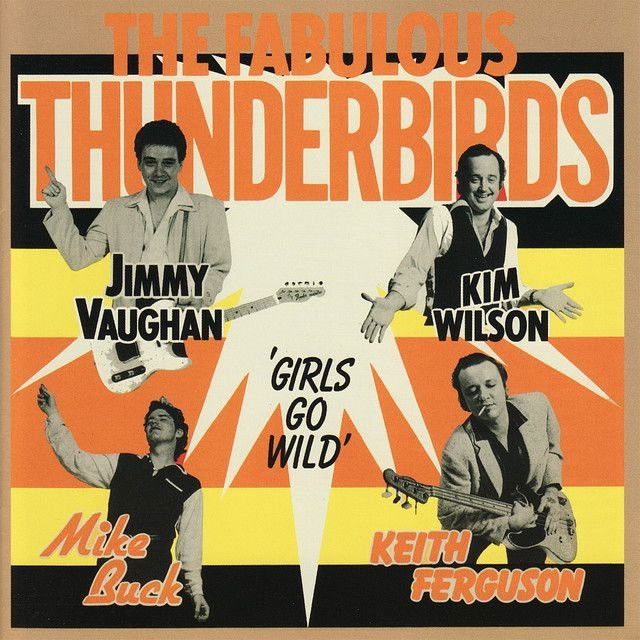
The Fabulous Thunderbirds built their reputation on Texas blues, blues rock, and rootsy R&B, coming out of the Austin scene in the 1970s. According to their band history, their sound mixed Texas blues with swamp-blues influences like Slim Harpo and Lazy Lester. That context matters, because “Scratch My Back” fits a long blues habit: turning a plain physical complaint into a playful, suggestive plea.
The Core Idea Hiding in Plain Sight
At the center of the song is a narrator who says I'm itchy
and needs help. Taken literally, that is the whole story. They want their partner to come closer and give comfort.
Interpretation: the song also works as a flirtation song about desire. When the singer asks scratch my back
, the line sounds less like a medical problem and more like a coded invitation. Blues songs often use ordinary body language to talk about intimacy without stating it too directly.
That double meaning is what gives the song its charm. It stays light, funny, and physical at the same time. Instead of grand romance, it focuses on immediate sensation: closeness, touch, and the thrill of someone responding right away.
Watch the official Scratch My Back
music video
A Tiny Story With Big Energy
Even though the lyric is short, it creates a complete mini-scene. The narrator has a problem, calls for help, and then reacts with delight once the partner answers.
That arc shows up in a few quick beats:
- first, discomfort and impatience
- then, a direct appeal to the lover
- then, confidence that they can help
- finally, pleasure when the touch arrives
The phrases I know you can do it
and get to it
make the speaker sound bold rather than shy. They are not hinting from a distance. They are asking clearly and expecting an answer.
The Voice: Demanding, Teasing, and Happy
One reason the song lands so well is its voice. The singer does not sound heartbroken or conflicted. They sound playful and sure of themselves.
That matters in the meaning of Scratch My Back The Fabulous Thunderbirds because the whole performance depends on attitude. The narrator is a little needy, but also in control of the moment. They turn vulnerability into fun.
When the song reaches the line makin' me feel so good
, it confirms that the request was never just about fixing discomfort. The point is pleasure and response. The singer wants proof that the other person is engaged, attentive, and physically present.
Why the Repetition Matters
The lyric repeats itself a lot, but that is not a weakness. In blues, repetition can act like emphasis, groove, and tension all at once.
Here, repetition makes the request feel stronger each time. It mimics an itch that will not go away, but it also mirrors desire that keeps returning. The same need comes back until it is satisfied.
There is also a call-and-response feel in the wording and delivery. That style connects the track to older blues and R&B traditions, where a catchy refrain matters as much as narrative detail. The song is less interested in plot than in building a mood people can feel in their bodies.
The Dance Joke That Expands the Meaning
One of the most memorable turns is chicken scratch
. On one level, it sounds like a joke about the way someone is scratching. It adds humor and movement.
Interpretation: it may also widen the song from private contact into party music. Suddenly the scratching becomes a rhythm, almost a dance step. That shift lets the song sit between bedroom banter and juke-joint fun.
Because of that line, the song never feels heavy or overly serious. It stays loose. It invites listeners to grin, move, and catch the wink behind the words.
How the Band's Style Supports the Song
The Fabulous Thunderbirds are best known for a lean, tough blend of blues, boogie, and rock, and that style helps explain why a slight lyric can still feel memorable. Their early work was rooted in bar-band energy rather than polished pop. The groove, vocal swagger, and blues feel do a lot of the storytelling.
A song like this depends on feel more than detail. A tight rhythm section would make the repeated hook sound insistent, while guitar and harmonica textures would keep it earthy and physical. That suits a lyric built around touch. The body is the theme, and the beat makes the listener feel that theme.
Two Strong Readings of the Song
There are at least two useful ways to hear it:
Reading One: A literal comic blues number
In this version, the singer really does have an itch and turns it into a funny, catchy complaint. That reading fits the directness of the words.
Reading Two: A coded song of desire
In this version, the itch stands for longing, and the scratch stands for intimate attention. This reading fits the blues tradition of suggestive everyday language.
Both readings can be true at once. In fact, that overlap is probably the point.
Why the Song Still Works
What keeps the song alive is its economy. It does not explain too much. It gives listeners a simple setup, a few memorable phrases, and a strong groove, then lets performance carry the rest.
For fans of roots music, the appeal is easy to hear: humor, physicality, repetition, and a sly wink. They do not need a long backstory because the song lives in the space between joke and come-on.
So the meaning of Scratch My Back The Fabulous Thunderbirds is less about a complicated message and more about a classic blues move. It takes a tiny human need and turns it into rhythm, flirtation, and pleasure.
Disclaimer: This interpretation is based on the lyrics, performance style, and blues context. As with many blues songs, some meanings are suggestive rather than explicitly confirmed by the artist.








