Why “Groovy Train” Feels Bigger Than Its Story
The meaning of Groovy Train The Farm starts with a small scene and opens into something much larger. On the surface, the song watches a changed person walk by. Under that, it sounds like a reaction to image, attitude, and social posing. Then the chorus arrives and turns that irritation into motion, release, and group energy.
"Groovy Train" - The Farm
I saw you walking down our street
Well you looked quite neat
Loading lyrics...
Unable to load lyrics
We're unable to display the lyrics at this time. Please try again later.
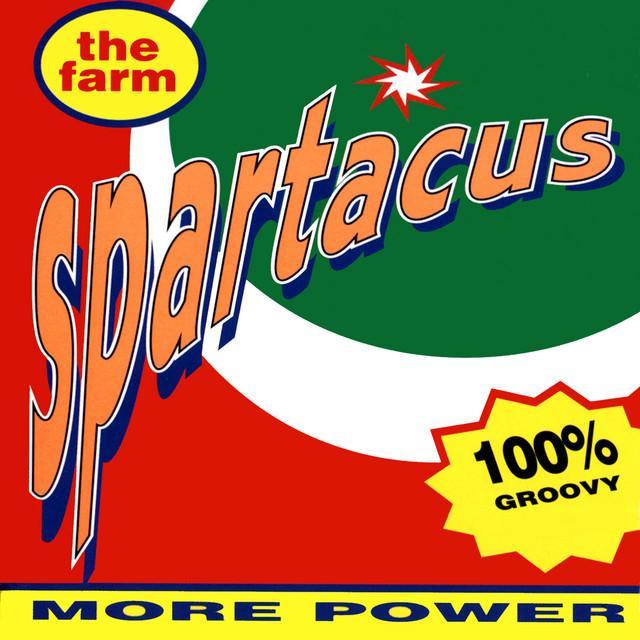
That shift is the key to why the song lasted. Released in 1990 as a single from The Farm’s debut era and later tied to Spartacus, it became one of the band’s signature hits, reaching No. 6 in the UK and crossing into the US charts as well, according to Wikipedia’s entry. Even before people unpack the lyrics, they feel the invitation in the title and hook.
A Street-Level Story With a Wider Point
In the verses, the narrator spots someone who once seemed rebellious and memorable. The description is quick and visual, including baggy jeans
and long blond hair
. Those details matter because they point to style first. The song is interested in the gap between how a person looks and what they really stand for.
Then the lyric asks what happened to the old spirit, especially the kind that once broke all the rules
. That is not just gossip about a former classmate. It suggests disappointment. The person who used to project real attitude now seems distant, performative, or simply changed.
Interpretation: the song may be criticizing people who turn rebellion into fashion. The narrator remembers a version of this person that felt genuine. Seeing them now creates a mix of attraction, annoyance, and disbelief.
Watch the official Groovy Train
music video
The Emotional Turn: Hurt Hiding Behind Swagger
The song works because it does not sound purely sad. Instead, it pushes forward with a defensive kind of cool. When the narrator says It’s all a sham
, that line can sound dismissive, but it also reveals bruised pride.
They saw this person recently, tried to make sense of the encounter, and got nothing back. The image of someone turning away and acting as if nothing matters gives the song its sting. It is not heartbreak in a grand ballad style. It is a smaller, sharper feeling: being brushed off.
Who the Chorus Is Really Talking To
The famous hook changes the frame:
Get on
the groovy train
This is the one moment where the song stops staring at one person and starts addressing everyone. The phrase works like a slogan. It sounds playful, but it also carries pressure: join in, move on, be part of the feeling.
Interpretation: the chorus can be heard in two ways at once:
- as a real invitation to dance and connect
- as a sarcastic comment about trends, hype, and people following the crowd
That ambiguity is a big reason the song still feels interesting. It can be celebratory and skeptical at the same time.
How the Sound Sells the Meaning
Part of the meaning of Groovy Train The Farm comes from its sound, not just its words. The record blends indie rock with dance-floor momentum, which helped it fit the Madchester-adjacent climate of 1990. The production by Suggs of Madness and Terry Farley gave the track a bright, communal push, while Keith Mullin’s opening guitar figure became one of its signature sounds, as noted by the song’s release history.
That matters because the music softens the bitterness in the verses. If these words sat inside a slow arrangement, they might feel petty or sour. Instead, the beat keeps lifting the song upward. The result is tension between complaint and celebration.
This tension is central to The Farm’s appeal in that period. They often made songs that felt collective, chant-ready, and public-facing. Even here, where the verses are personal, the chorus turns the private slight into a shared event.
A Song About Cool, Belonging, and Performance
The strongest theme in “Groovy Train” is not romance. It is social identity. The observed person seems defined by appearance, attitude, and how they carry themselves in public. The narrator reacts strongly because those things once appeared authentic.
That makes the song partly about growing up. School is mentioned as a point of comparison, which places the memory in a before-and-after structure. Someone who once seemed fearless now seems absorbed into style and surface.
Three ideas running through the lyric
- Image versus substance — clothes and hair stand in for a whole persona.
- Lost authenticity — the earlier rebellious self may have been more real.
- Group escape — the chorus offers movement away from personal disappointment.
In that sense, the train image is simple but effective. Trains carry people forward together. Whether the song means that sincerely or ironically, it suggests momentum. Stay stuck on one cold encounter, or climb aboard something louder and more social.
Why It Connected Beyond the UK
The Farm were a Liverpool band, but “Groovy Train” traveled well because its message is easy to feel even when the details stay loose. Many listeners have known a person who changed, acted above everyone else, or turned style into status. The song captures that in plain language.
Its chart run also shows how well that mix worked. It hit the UK Top 10 and reached the US Hot 100, while also landing on alternative and dance charts. That crossover makes sense: it has rock guitars, club energy, and a chorus built for a crowd.
Final Take on “Groovy Train”
The meaning of Groovy Train The Farm is best understood as a song about disappointment transformed into motion. The verses focus on someone who now feels fake, distant, or unreachable. The chorus answers that tension by offering a bigger, louder space where individual hurt gets swallowed by rhythm and collective release.
That is why the song still works. It is sharp without getting heavy, catchy without being empty, and open enough to support more than one reading.
Disclaimer: This interpretation is based on the lyrics, recording context, and release history. As with many pop songs, listeners may hear different meanings in the same lines.







