Why 'Sin City' Still Sounds Like a Warning
The meaning of Sin City The Flying Burrito Brothers starts with a simple idea: a shiny place can be rotten underneath. Their song does not celebrate vice. It studies how money, power, and image can turn a city into a trap.
"Sin City" - The Flying Burrito Brothers
It'll swallow you in
If you've got some money to burn
Loading lyrics...
Unable to load lyrics
We're unable to display the lyrics at this time. Please try again later.
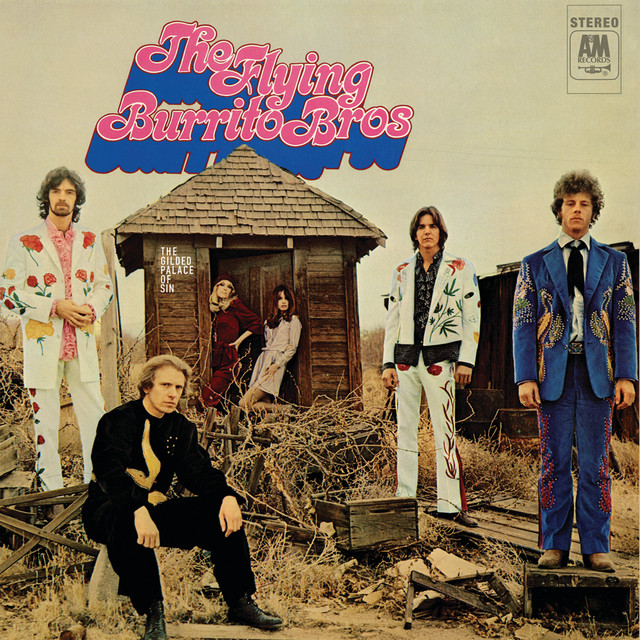
Released on The Gilded Palace of Sin in 1969, the track came from a band led by Gram Parsons and Chris Hillman, key figures in early country-rock history. That album is widely credited as a landmark blend of country, rock, and soul-inflected playing by sources such as the Grammy Hall of Fame and Encyclopaedia Britannica. In that setting, “Sin City” becomes more than a local sketch. It feels like a moral postcard from the edge.
A Beautiful Place With a Rotting Core
At its heart, the song presents a city that looks rich but feels spiritually broken. The opening image of a town “filled with sin” frames the whole piece as a warning, not a party anthem. When the narrator says it can swallow you in
, they suggest corruption is not just around them; it actively pulls people down.
The details point toward a place built on easy credit, status, and temptation. The line about having three years to pay
turns pleasure into debt. That matters because the song keeps showing how desire leads to a bill that finally comes due.
Interpretation: Many listeners read the city as Los Angeles, and that reading fits the imagery of earthquakes, luxury towers, and showy wealth. But the song also works as a wider portrait of any culture that mistakes glamour for safety.
Watch the official Sin City
music video
The Chorus Turns Disaster Into Judgment
The chorus is where the song’s warning sharpens. The coming earthquake sounds literal at first, especially in a California setting. Yet it also acts like a symbol for moral collapse. The system is unstable, and sooner or later it will break.
That is why one of the song’s strongest images is the gold plated door
on the thirty-first floor. The rich may live high above the street, but the song says their wealth will not save them. A fancy entrance cannot block justice, nature, or truth.
This old earthquake's gonna leave me
in the poor house
This brief refrain ties financial ruin to a larger spiritual reckoning. The city is not just unsafe. It is deluded enough to think luxury can outlast consequence.
Science, Uniforms, and the Loss of Belief
One of the song’s smartest moves is how it mixes modern language with biblical warning. The verse about scientists saying everything will wash away introduces a rational voice, but the people in the song no longer trust anyone. Public faith has broken down.
Then the band adds social satire: green mohair suits
and checking IDs at the door. Those images suggest gatekeeping, official power, and a polished class of insiders. The city is not only sinful; it is organized. It has uniforms, rules, and a social pecking order.
Interpretation: This section can be heard as a criticism of political and corporate culture in the late 1960s. Parsons and Hillman were writing during a period of distrust in American institutions, and the song captures that feeling without sounding like a speech.
The Fallen Reformer in the Final Verse
The last verse gives the song a human wound. A friend tries to clean up the city, speaks openly, and is lost. The lyrics do not explain every detail, which makes the scene more powerful. Reform is possible, the song suggests, but it is dangerous in a place built on corruption.
Some listeners connect this verse to Robert F. Kennedy, whose 1968 assassination haunted American culture. That reading is possible, though it should remain an interpretation rather than a firm fact. What matters most is the pattern: the city punishes honesty and protects decay.
How the Music Softens the Blow—and Deepens It
Part of what makes the meaning of Sin City The Flying Burrito Brothers so lasting is the contrast between sound and message. The performance is gentle, almost devotional. Instead of roaring with anger, the band leans on close harmonies, steady rhythm, and the smooth ache of country instrumentation.
On The Gilded Palace of Sin, the group became known for mixing traditional country feeling with rock attitude, including Sneaky Pete Kleinow’s famous pedal steel work, noted by sources like the Country Music Hall of Fame. That sound matters here. The steel guitar adds a lonely, floating quality, as if the song is already looking back on a fallen world.
Because the arrangement is restrained, every warning lands harder. They do not sound shocked. They sound like they have seen this coming for a long time.
Why the Song Still Feels Current
“Sin City” still connects because its targets remain familiar: debt, image, elite protection, and public distrust. A culture can build tall buildings and still be shaky at the foundation. That is the core message.
The song also refuses easy comfort. It does not promise that good people will automatically win. It simply insists that corruption cannot hold forever. Wealth may delay consequences, but it cannot cancel them.
The Final Meaning Beneath the Shine
In the end, “Sin City” is about a glamorous world that has mistaken surface success for moral health. The city may look powerful, but the song hears cracks in the walls.
That is why the track still feels prophetic. It sees temptation, judgment, and social collapse as parts of the same story.
Disclaimer: This article offers interpretation based on the song’s lyrics, historical context, and recorded performance. Not every listener will hear the same meaning.







