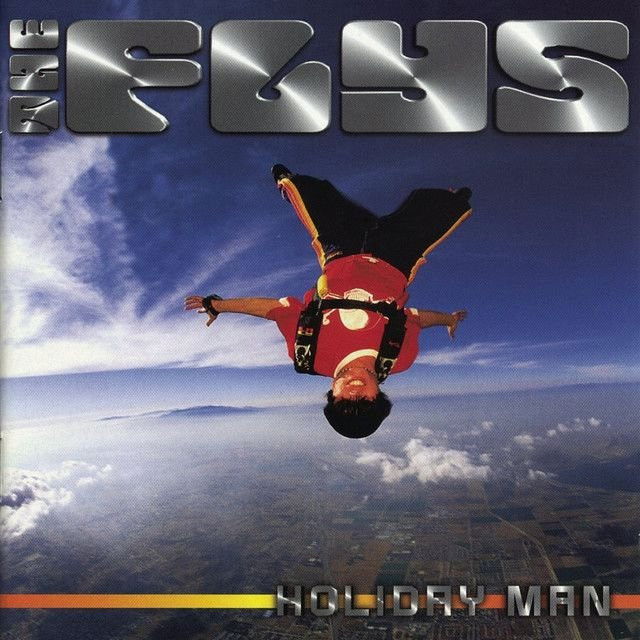
What 'Got You (Where I Want You)' Really Means
The meaning of Got You (Where I Want You) The Flys starts with a bluff. On the surface, the chorus sounds like total confidence. Under that surface, though, the song is about panic, awkward desire, and the weird performance people put on when they want someone to notice them.
"Got You (Where I Want You)" - The Flys
Oh, hey, what's your favorite song
Maybe we could hum along
Loading lyrics...
Unable to load lyrics
We're unable to display the lyrics at this time. Please try again later.
The Flys released the song in 1998 as a single tied to both Holiday Man and the Disturbing Behavior soundtrack. It became the band’s biggest hit, reaching No. 5 on Billboard’s Alternative Airplay chart and No. 8 on Mainstream Rock. It was produced by Chris Goss, a key alt-rock figure, and that matters because the track balances catchy pop hooks with a darker edge.
The Real Story Beneath the Hook
Factually, frontman Adam Paskowitz explained that the song came from watching a friend in a bar try everything he could to talk to a beautiful woman and get her number. That artist comment gives the song its frame: this is not a love story after the fact. It is a snapshot of someone in the middle of trying, failing, and trying again.
That is why the opening feels so unsure. The speaker reaches for random conversation starters, from music to dancing to astrology, as if any topic might work. Phrases like what's your favorite song
and did you know that I can dance
are not smooth. They are intentionally flimsy. They reveal someone scrambling.
Interpretation: The chorus, then, is less a statement of real power than a wish. When they repeat got you where I want you
, it sounds like a person trying to convince themselves the moment is going well.
Watch the official Got You (Where I Want You)
music video
Why the Verses Sound So Nervous
The song’s verses are built on contrast. The speaker flatters the other person with lines like you sweet thing
and then quickly admits strain with I'm dying here
. That jump matters.
Instead of calm attraction, the song presents attraction as pressure. The speaker wants connection, but they do not know how to create it. Every question feels like a test, and every pause feels dangerous.
A Quick Narrative Map
- They spot someone they want to approach.
- They try basic small talk and compliments.
- Their confidence slips into visible desperation.
- The chorus arrives like a fantasy of control.
- The breakdown exposes the chaos under that fantasy.
This structure is why the song works. It keeps switching between the image the speaker wants to project and the emotional mess they are actually living through.
The Chorus Is a Mask, Not a Victory Lap
The hook is one of the most memorable in late-1990s alternative rock because it is simple and sticky. But simple does not mean straightforward. In context, the repeated claim of having someone cornered emotionally or romantically feels unstable.
Interpretation: The chorus may be read as ironic. The more often the speaker repeats the line, the less secure they seem. They are not calmly in command; they are overcompensating.
That reading fits the song’s emotional design. The verses show failed charm. The chorus tries to turn that failure into a power pose. That gap between reality and self-image is the heart of the track.
How the Sound Sells the Meaning
Musically, the song blends alternative rock crunch with a dreamy, almost floating quality. Critics have described it as dark pop and dreamy alternative, and both tags fit. The guitars carry weight, but the melody glides. That mix mirrors the lyric tension between desire and insecurity.
Chris Goss’s production gives the hook a polished lift, while the verses stay tight and anxious. The band does not sound relaxed; they sound coiled. Even when the melody opens up, there is friction underneath.
Then comes the rap-reggae breakdown. It is one of the track’s most divisive features, but it matters to the song’s meaning. Rather than smoothing the mood, it makes the whole scene stranger and less stable.
Suffer, suffer
me don't get no rougher
Paraphrased, that section turns attraction into discomfort, intensity, and self-dramatizing desire. It exaggerates the song’s emotional imbalance. Instead of mature romance, listeners get raw impulse.
Context Matters: 1998 Alt-Rock and Teen Cinema
Part of the song’s staying power comes from where it landed culturally. Because it appeared on the Disturbing Behavior soundtrack, it was linked to the moody, slightly sinister teen aesthetic of the late 1990s. The Wayne Isham-directed video, which featured Katie Holmes and James Marsden, deepened that association.
That backdrop helps explain why the song feels darker than its chorus first suggests. It is flirtation, yes, but flirtation with a creepy shimmer around it. The song belongs to an era when alternative rock often turned lust, boredom, and alienation into the same mood.
A Few Strong Readings of the Song
There are at least three useful ways to hear it:
- Literal reading: a guy in a bar tries too hard to impress someone.
- Psychological reading: the chorus is a fantasy covering deep insecurity.
- Cultural reading: the song mocks pickup behavior even as it enjoys its energy.
These readings can all be true at once. That is part of why the single still sticks in people’s memory.
Why the Song Still Connects
The meaning of Got You (Where I Want You) The Flys is not really about seduction succeeding. It is about how attraction can make people perform confidence they do not actually feel. The song captures that embarrassing gap with a huge hook, nervous verses, and a sound that never fully settles.
In the end, its message is less “I have won” than “I need this to work.” That tension is what gives the song its bite.
Disclaimer: This interpretation combines documented artist comments with close reading of the lyrics and sound. Like any song meaning piece, some conclusions remain interpretive rather than absolute.









