Why 'Party Train' Still Feels Like an Invitation
The meaning of Party Train The Gap Band starts with a very simple image: a train leaving the station. But this is not a song about travel in any literal sense. It is about joining a moment, answering an open call, and refusing to be left behind when joy is moving.
"Party Train" - The Gap Band
Everybody all aboard
Anybody wanna take this ride?
Loading lyrics...
Unable to load lyrics
We're unable to display the lyrics at this time. Please try again later.
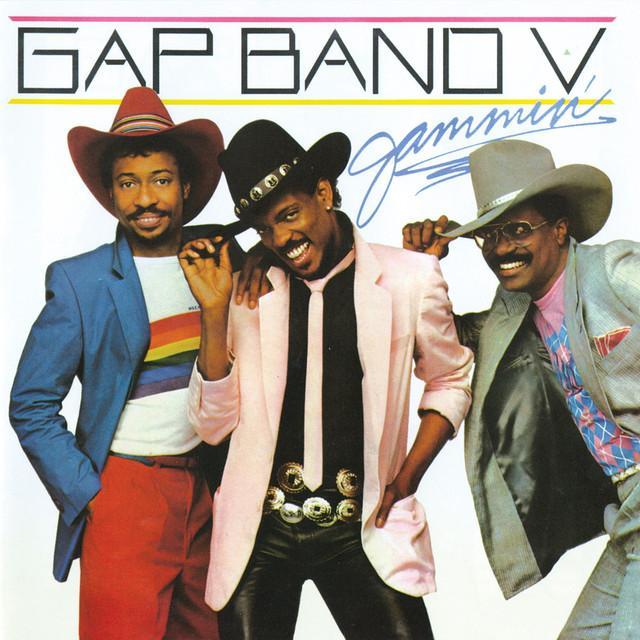
Released in 1983 from Gap Band V: Jammin', the song became one of the group’s signature party records and reached No. 3 on Billboard’s Hot Black Singles chart. It was written by Charlie Wilson, Ronnie Wilson, Lonnie Simmons, and Rudy Taylor. In that sense, the record sits right in the middle of the band’s commercial peak, when they were refining a sound that mixed funk power with pop immediacy.
The Song’s Big Idea Is Bigger Than the Plot
On the surface, the lyrics are almost all motion and invitation. The singer keeps calling people to board, get a ticket, and not miss the ride. Phrases like all aboard
and get your ticket
make the setup clear right away.
But the song’s message is broader than that image. The train is really a moving party, and the party stands for belonging. Instead of telling a detailed story, the lyrics create a social scene where everybody is welcome if they are ready to join in.
Interpretation: the train works as a symbol of shared energy. It is less about destination than participation. The point is not where they are going. The point is getting on.
Watch the official Party Train
music video
A Chorus Built on Urgency and Inclusion
The hook gives the song its meaning. When the singer warns, don’t miss the party train
, the line sounds playful, but it also adds pressure. Miss the moment, and it is gone.
That urgency matters because the song keeps pairing invitation with accessibility. The lyric about a nickel or dime
suggests the ride is cheap, easy, and open to ordinary people. This is not an exclusive VIP party. It is a mass celebration.
That choice fits the Gap Band’s appeal. As PopMatters noted, the group often blended emotional directness with a hard-hitting dance feel, making songs that could move a room while staying emotionally vivid. Even in a lighter record like this one, they knew how to make repetition feel meaningful rather than empty.
How the Lyrics Turn a Crowd Into a Community
One smart thing about “Party Train” is that it barely separates performer from audience. The commands are collective, not personal. Everybody is called in together.
That is why short phrases such as everybody all aboard
and gotta get on board
matter so much. They erase distance. The band is not standing above the crowd, explaining a message. They are inside the event, leading the chant while the listeners become part of it.
This creates a strong communal feeling:
- the ticket line suggests equal entry
- the repeated boarding call builds group momentum
- the nonstop refrain turns dancing into participation
Interpretation: the song imagines partying as a kind of social unity. For a few minutes, nobody is isolated; they are all on the same ride.
Why the Sound Sells the Meaning
The meaning of Party Train The Gap Band is carried just as much by sound as by words. The record runs on thick bass, clipped rhythm guitar, bright synth textures, and a chant-like vocal structure that feels almost impossible to resist.
Research on the band’s history helps here. Robert Wilson’s bass playing was central to the Gap Band’s identity, and he once said bass was about creating mood, aiming for a warm sound with enough force to cut through. That approach is easy to hear on “Party Train.” The low end does not just support the groove; it creates the sensation of movement, like wheels locking into a track.
The production also leans into repetition in a clever way. Calls like party on the train tonight
are not there to deepen plot. They deepen physical response. The song keeps cycling its phrases until the listener stops analyzing and starts moving.
Artist Context Makes the Song Even Clearer
The Gap Band came from Tulsa, Oklahoma, and the Wilson brothers built their musicianship in church before becoming funk stars. Later, with Lonnie Simmons and Total Experience, they developed the polished but forceful style heard on their biggest records.
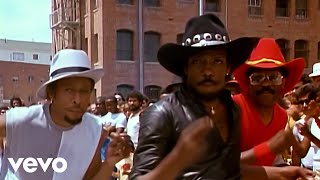
By 1983, they were known not only for hits but also for showmanship. PopMatters describes their stage image as theatrical and larger than life, and the “Party Train” video pushed that image even further. Directed by Don Letts, it shows dancing on a boardwalk and beach, turning the song’s invitation into a full visual carnival.
That context matters because “Party Train” is not pretending to be introspective poetry. It is performance art in party form. Its meaning depends on spectacle, repetition, and group excitement.
A Second Reading: More Than Just a Dance Record
There is also a slightly deeper way to hear the song. The repeated warning not to miss the train can suggest more than a night out. It can sound like a broader call to seize joy when it appears.
Interpretation: the song may be about opportunity itself. Life moves fast, chances pass, and hesitation leaves people standing still. In that reading, the party train becomes a metaphor for any moment worth saying yes to.
That does not make the song heavy. It just explains why such a simple hook has lasted. Beneath the fun, there is a familiar truth: people fear missing the moment when life opens up.
Why the Song Endures
What keeps “Party Train” alive is its clean design. The image is easy to grasp, the groove is immediate, and the message is welcoming. It tells listeners that the ride is already leaving, but there is still time to jump on.
For many fans, that is the whole point of the meaning of Party Train The Gap Band: celebration as invitation, motion as joy, and music as a place where everyone can belong.
Disclaimer: This interpretation combines lyrical reading, musical context, and known facts about the song’s release and reception. Meaning can vary from listener to listener.








