Why 'Book Of Rules' Still Feels So Wise
The meaning of Book Of Rules The Heptones centers on a simple but deep idea: every person is given limits, choices, and responsibilities, and life is shaped by how they use them. The song sounds gentle, but its message is serious. It says that kings and ordinary people are not as different as they seem, because everyone must build a life with the same basic human tools.
"Book Of Rules" - The Heptones
In clown-ragged capers in sawdust rings
Just like common people like you and me
Loading lyrics...
Unable to load lyrics
We're unable to display the lyrics at this time. Please try again later.
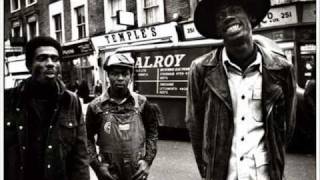
The Heptones were one of Jamaica's key harmony groups of the rocksteady and reggae era, led by Leroy Sibbles, Earl Morgan, and Barry Llewellyn. Their career is widely noted in reggae histories and reference sources, including AllMusic and The Guardian. That context matters, because their music often balanced sweetness with moral reflection. "Book Of Rules" is a strong example of that mix.
The Big Message Hidden in Plain Language
At its core, the song argues that human life is both shared and fragile. The opening compares rulers and ordinary people, then reduces both to performers in the same strange world. By placing princes and kings beside circus-like images, the song quietly cuts pride down to size. Status looks temporary; humanity is the lasting truth.
When they sing about common people like you and me
, they are not lowering anyone. They are leveling the field. The line suggests that no title can save a person from struggle, confusion, or mortality. Everyone still has to make choices and live with them.
That idea leads to the song's central image: each person receives a bag of tools
, a shapeless mask
, and the title object, the book of rules
. In plain terms, the song imagines life as a task. People get some abilities, some social role, and some moral guidance. What they build with those things becomes their real legacy.
Watch the official Book Of Rules
music video
Symbols That Carry the Song
Tools, Masks, and Rules
The "tools" likely stand for talents, skills, and inner resources. The image is practical, not glamorous. Life is work, and each person has something to work with.
The "mask" is more mysterious. Interpretation: it can mean identity is not fixed at birth. A "shapeless" mask suggests that people grow into roles, or hide behind them. Society may hand them labels, but they still have to decide what kind of person they will be.
The "book of rules" can be heard in at least two ways. Interpretation: it may refer to moral law, spiritual teaching, or the social codes that shape behavior. Because the song never defines it tightly, it stays open enough to feel universal.
A Song About Building a Life
One of the smartest lines describes life as turning a tumbling block
into a stepping stone. The phrase captures hardship without sounding hopeless. Trouble will come, but obstacles can become progress.
That is why the repeated idea that people will be builders for eternity
matters so much. It is not just about daily survival. It points to a larger spiritual meaning, where actions echo beyond the present moment. In reggae, that kind of moral and spiritual scale is common, even when the language stays plain and direct.
Look when the rain has fallen from the sky
the sun will be only missing for a while
This brief passage brings the song's comfort into focus. After discussing rules, masks, and labor, the band offers reassurance: sorrow is real, but it does not last forever. The weather image makes the lesson easy to feel.
How the Music Supports the Meaning
Part of the power of "Book Of Rules" is that it never sounds heavy-handed. The arrangement moves with relaxed reggae rhythm, warm harmony vocals, and a calm, steady pulse. That smoothness makes the philosophy easier to absorb. Instead of preaching, the song invites reflection.
The Heptones were famous for their vocal blend, and that matters here. A message about shared humanity lands more strongly when sung as a group rather than by one dominant voice. Their harmonies suggest community, not ego. The result feels like wisdom being passed along, not a lecture.
The light vocalized break in the middle also helps. It creates a pause from the verbal message, letting the feeling of the song carry the meaning for a moment. That musical breath makes the song sound patient and confident.
Artist Context and Why It Matters
The song was written by Barrington Selvin Llewellyn, Earl Morgan, and Leroy Sibbles. That shared writing credit fits the song's collective spirit. The Heptones often worked in a style that joined soulful melody with reflective themes, a hallmark of classic Jamaican vocal groups documented by reggae discographies such as Discogs.
Even without a detailed surviving interview explaining author intent, the song fits a broader reggae tradition: social equality, spiritual endurance, and hope after hardship. Those themes help explain why listeners have kept returning to it. The song speaks softly, but it says something lasting.
Two Strong Readings of the Song
Interpretation 1: it is a spiritual lesson. People are equal before a higher truth, and life is a test of how they use what they are given.
Interpretation 2: it is also a social statement. Titles, class, and public image are masks. Beneath them, everyone faces the same fears, rules, and storms.
These readings work together rather than compete. That blend is part of the song's beauty.
Why the Song Endures
The meaning of Book Of Rules The Heptones remains powerful because it turns big ideas into clear images. Tools, masks, rain, sun, and stepping stones are easy to picture, but they point to questions about identity, fairness, and purpose.
For many listeners, the song feels comforting because it does not deny struggle. It simply insists that hardship can be used, shaped, and survived. That balance of realism and hope is what gives the track its quiet strength.
Disclaimer: This article offers an interpretation based on the lyrics, performance, and known artist context. Like many great songs, "Book Of Rules" can support more than one meaning.







