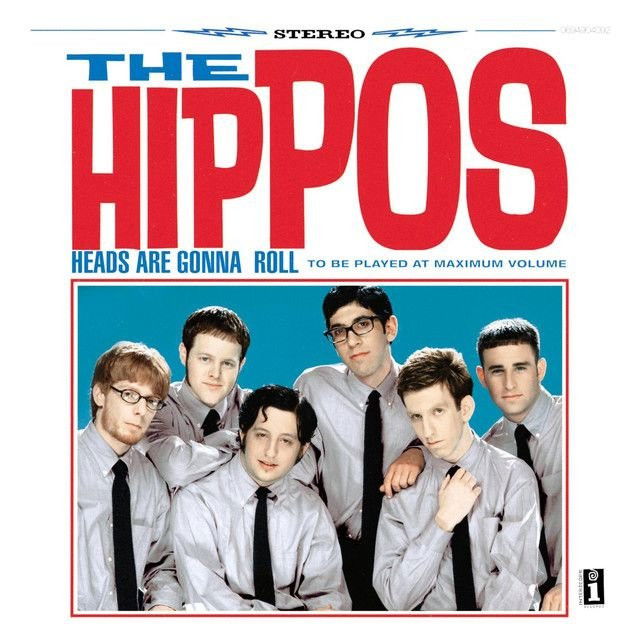
What "Lost It" by The Hippos Really Means
The meaning of Lost It The Hippos centers on what happens when someone’s words get inside a person’s head and shake their sense of self. On the surface, the song is simple and direct. Underneath, it captures a sharper feeling: emotional damage that turns into self-doubt, panic, and a desperate wish to feel normal again.
"Lost It" - The Hippos
Now that I am on my own
I can't explain the way I'm feeling
Loading lyrics...
Unable to load lyrics
We're unable to display the lyrics at this time. Please try again later.
The Hippos were a Los Angeles band who began in the mid-1990s as part of the Southern California ska scene before shifting toward a brighter, more pop-driven sound, according to widely cited band histories. A live version of Lost It is documented as a non-album track from the 1998 Vagrant compilation Five Years on the Streets. That timing matters, because the song sits close to the band’s transition from horn-heavy ska-punk toward leaner power-pop writing.
A Small Song About a Big Mental Spiral
At its core, the song describes a speaker who cannot stop replaying something a woman said. The opening idea is isolation: they are on my own
, confused, and suddenly questioning what they thought they understood. Instead of giving a detailed story, the lyrics focus on the aftershock.
That is why the song feels relatable. It is not really about one argument alone. It is about the mental spiral that follows when criticism, rejection, or emotional cruelty lands at exactly the wrong moment.
Interpretation: the song suggests that a person can lose more than a relationship. They can lose confidence, calm, and direction all at once.
Watch the official Lost It
music video
Why the Chorus Hits So Hard
The hook is the emotional center: I had it, and I lost it
. That line is plain, but it leaves the missing thing open on purpose. It could be inspiration. It could be self-respect. It could even be emotional balance.
The next idea deepens the meaning. The speaker asks for help to get it back again
, which shows they know they cannot recover through pride alone. That request makes the song less macho and more vulnerable than its punchy delivery first suggests.
What exactly was “lost”?
The verses point to one answer with Where's my inspiration
. In context, “inspiration” sounds broader than creativity. It seems to mean the inner spark that helps someone think clearly, trust themselves, and keep moving.
So the chorus works because it turns an abstract feeling into a memorable pop line. They once felt stable. Now they do not.
The Verses Turn Hurt Into Instability
The strongest writing choice in the song is repetition. The line about not believing what she said appears again and again in slightly different emotional shades. First there is shock. Then fixation. Then near-collapse.
When the lyric says it went straight to my head
, the song reveals its real subject: words do not just hurt feelings here; they reshape the speaker’s thinking. Another line pushes that idea further by saying the situation brings them close to insanity. That is exaggerated in pop-punk terms, but the feeling is clear.
Interpretation: the song is less interested in whether the woman is right or wrong than in how deeply the speaker absorbs the damage. Their real battle is now internal.
A Relationship Song With Anxiety at Its Center
One reading is straightforward: this is a song about a toxic or painful romantic exchange. The speaker feels attacked by things she says
, and those remarks keep dragging them down.
A second reading is just as persuasive. The woman may be the trigger, but the song is really about fragility already waiting beneath the surface. The opening uncertainty, the repeated loss of “inspiration,” and the final breakdown all suggest that one conversation has opened a bigger crisis.
That dual meaning gives the song its edge. It can be heard as breakup frustration, but also as a portrait of overthinking and emotional exhaustion.
How The Hippos’ Sound Supports the Meaning
The Hippos are often remembered for ska roots, but their catalog gradually moved toward power pop and synth-shaped rock. Even without a famous studio version attached to a major album, Lost It fits that crossover space: concise, hooky, and built around emotional repetition rather than detailed storytelling.
That matters for interpretation. A bright, fast arrangement can make distress feel even more believable, because the music sounds like someone trying to outrun their own thoughts. In songs like this, upbeat motion does not cancel sadness. It mirrors nervous energy.
If played in the band’s late-1990s style, the rhythm would likely sharpen the feeling of agitation while the singalong chorus makes the crisis sound communal, almost like the crowd is helping the speaker hold together.
Ariel Rechtshaid’s Writing Lens
The lyrics provided identify Ariel Rechtshaid as the writer. He later became one of the most respected producers and songwriters in modern pop and alternative music, working with major artists across genres. That later career does not prove authorial intent here, but it does highlight something interesting: even in this early song, there is a strong instinct for compact emotional phrasing.
The words are not ornate. They are efficient. They repeat key thoughts until they feel obsessive, which is exactly how anxiety works.
Final Take on the Meaning of Lost It The Hippos
The meaning of Lost It The Hippos is the feeling of being mentally knocked off balance by someone else’s words and realizing that what was lost is not just love, but inner momentum. The song turns that panic into a hook that is easy to shout along with and hard to forget.
Its power comes from contrast: catchy energy, wounded thoughts, and a chorus about trying to recover a missing piece of the self.
Disclaimer: This interpretation is based on the lyrics provided, documented band context, and musical analysis. As with most songs, listeners may hear different meanings in the same lines.







