Why ‘Abra Cadaver’ Sounds So Defiant
The meaning of Abra Cadaver The Hives comes into focus when they treat the song like a fight over identity. On the surface, the words are strange, jagged, and a little absurd. But under that wild style, the song sounds like a refusal to be reshaped into something dull, obedient, or lifeless.
"Abra Cadaver" - The Hives
I was the target of a notion of submission see
Oh yeah they needed me, Yeah I was the target see
Loading lyrics...
Unable to load lyrics
We're unable to display the lyrics at this time. Please try again later.
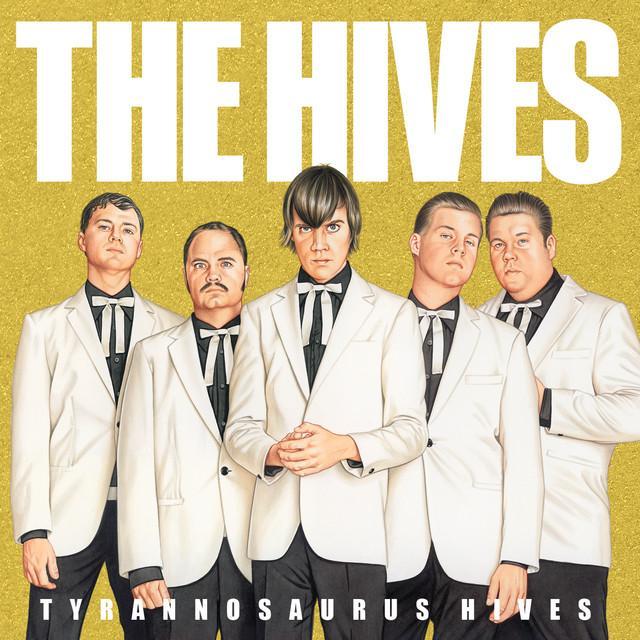
The track appeared on Tyrannosaurus Hives in 2004, as listed on Wikipedia’s entry for the song title. The Hives were already known for turning punk and garage rock into something fast, sharp, and theatrical. That context matters, because this song does not sound like a private diary entry. They perform it like a public act of resistance.
A Battle Against Forced Conformity
At the center of the song is a speaker who feels pressured from the outside. They keep insisting there is nothing wrong with me
, which makes the conflict clear right away. Somebody else has decided they need fixing, changing, or controlling.
The weirdest image in the song is also the most revealing: dead body inside of me
. That phrase is not likely meant literally. Interpretation: it suggests an attempt to force lifelessness, passivity, or a dead routine into a person who still feels active and unruly.
That reading fits another key image, office worker
. The song seems to mock a safe, standardized adult role. It is not really attacking office jobs themselves. Instead, it uses that figure as a symbol for a boxed-in identity: predictable, obedient, and stripped of instinct.
Watch the official Abra Cadaver
music video
The Narrator Refuses the Script
The speaker does more than complain. They actively resist. When they say I kept breaking free
, the song frames identity as something under attack but not yet captured.
That line matters because it turns the song from paranoia into rebellion. The pressure is real in the world of the lyric, but so is the speaker’s will. They do not ask for approval, and they do not offer excuses either.
Why the Chorus Hits So Hard
The repeated claim need no alibi
works like a mission statement. They are saying they do not need to justify who they are. The song pushes back against any system that demands a clean explanation before allowing a person to exist on their own terms.
That also gives the song a legal or political flavor. Words like “target,” “wanted man,” and “opposition” make the conflict sound bigger than one relationship. It feels like a clash with institutions, trends, or social pressure itself.
The Strange Images Actually Connect
Some listeners may hear the lyrics as pure nonsense, but the images work together more than they first seem to. The song keeps returning to invasion, replacement, and resistance. Someone wants to put something false inside the speaker. The speaker keeps rejecting it.
Need no alibi
Honestly
I tell no lies
That short moment is simple, but it anchors the whole song. The speaker insists on truth while the outside world tries to define them from the outside. Interpretation: the real struggle is not just freedom, but self-definition.
There is also an important emotional contrast here. The title plays like a joke on “abracadabra,” but swaps in “cadaver,” a word tied to death. That pun gives the song its mood in one move: magic collides with lifelessness. It sounds flashy, but something dead is hiding underneath.
How The Hives’ Sound Sharpens the Meaning
The meaning of Abra Cadaver The Hives is carried as much by the sound as by the words. The band’s style is lean, loud, and precise. Fast drums, stabbing guitars, and clipped vocal delivery make the song feel cornered and combative.
That matters because a softer arrangement could make these lyrics sound dreamy or abstract. The Hives do the opposite. They make every phrase feel like a shove back against control.
Their garage-rock attack also supports the song’s anti-conformist edge. The music is not polished into smoothness; it is built to feel urgent. That roughness helps sell the idea that the speaker would rather be chaotic and alive than neat and spiritually empty.
Artist Context Makes the Message Stronger
The Hives built their reputation on swagger, speed, and a kind of anti-boring performance style. On Tyrannosaurus Hives, they leaned into short, punchy songs that hit fast and leave a mark. “Abra Cadaver” fits that pattern well.
The writing is credited to Randy Fitzsimmons, the band’s long-running pseudonymous songwriter figure. That playful myth around authorship also fits a song that blurs cartoonish language with serious feeling. The Hives often use exaggeration and style, but the emotional core still lands.
Two Strong Ways to Read the Song
There is more than one reasonable reading here.
Interpretation 1: A Punk Rejection of Normal Life
This is the clearest reading. The “dead body” and “office worker” images point to fear of becoming spiritually numb. In that view, the song is about refusing a life that looks stable from the outside but dead from within.
Interpretation 2: A Wider Fight Against Social Programming
The language about targets, opposition, and capture can also suggest a broader pressure campaign. In this version, the song is about resisting any force that tries to install a false self, whether that comes from work culture, authority, or groupthink.
Both readings support the same basic point: the speaker would rather stay difficult than become empty.
Why ‘Abra Cadaver’ Still Sticks
What makes this song memorable is its mix of humor, menace, and momentum. The lyrics are weird on purpose, but they are not random. They keep circling one fear: being turned into a version of oneself that no longer feels alive.
That is why the meaning of Abra Cadaver The Hives still feels sharp. Beneath the frantic energy, they present a simple idea: identity is worth defending, especially when the world wants something easier, quieter, and less alive.
Disclaimer: This interpretation is based on the lyrics, the band’s style, and available song context. As with many rock songs, listeners may reasonably hear different meanings in the same images.







