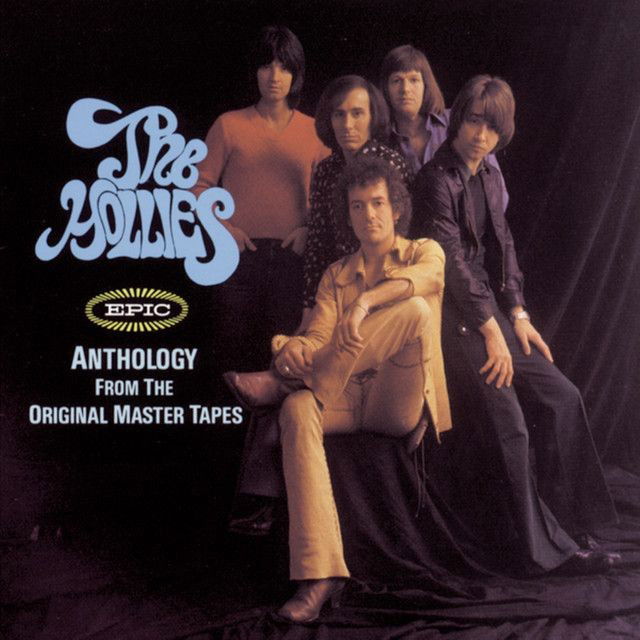
Gasoline Alley Bred by The Hollies
Why This Song Hits So Hard
The meaning of Gasoline Alley Bred The Hollies centers on disappointment, dignity, and the pull of home. The song tells the story of a couple who chased a bigger future, struggled to make it work, and finally decide to return to where they came from. That choice is not framed as total defeat. Instead, it feels honest, tired, and strangely comforting.
"Gasoline Alley Bred" - The Hollies
Time to get your butt outta bed
Get down your hats and your baggage my child
Loading lyrics...
Unable to load lyrics
We're unable to display the lyrics at this time. Please try again later.
The Hollies were one of the great British pop-rock groups of the 1960s and 1970s, and the song came from professional songwriters Roger Cook, Roger Greenaway, and Tony Macaulay. Those writers were known for catchy, emotionally direct pop songs, and that skill shows here. The track turns a simple idea into something larger: what happens when ambition meets reality.
Watch the official Gasoline Alley Bred
music video
A Story About Going Back
From the opening lines, the song drops listeners into motion. The speaker is getting ready to leave, packing up, making calls, and planning the trip home. The details are domestic and practical, which makes the emotion feel real. This is not a fantasy escape. It is a real-world retreat after hard times.
Short phrases like back to the homestead
and everything is packed
point to a full reset. They are not just changing cities. They are giving up on one life and returning to an older identity. That is why the word “homestead” matters. It suggests roots, family, and a place that existed before the couple tried to reinvent themselves.
The Chorus Turns Failure Into Identity
The chorus gives the song its core idea. The couple believed they could build something better. They had plans, drive, and hope. But the repeated phrase Gasoline Alley Bred
says they cannot fully escape where they come from.
Interpretation: this line can sound harsh at first, almost like self-judgment. Yet the song softens that idea by insisting the years were not wasted. They may not have “made it” in the usual sense, but they still lived, learned, and loved. In that way, the chorus does two things at once:
- It admits social limits are real.
- It protects the couple’s self-respect.
That balance is what gives the song emotional weight. It is sad, but it is not cruel.
Working-Class Pressure in Plain Language
One reason the song feels strong is its plainspoken language. The speaker talks about labor, money, and emotional strain without much poetic fog. When they mention breakin' my back
, the song boils struggle down to physical effort. This is a person who tried to provide, not someone who simply gave up.
The song also notices the woman’s pain. The speaker sees the hurt on her face and understands that pride has become another burden. That matters because the song is not only about economics. It is also about what failure does to a relationship. Dreams do not collapse in private; they leave marks on both people.
We could have made it
ideas in our heads
years haven't really been wasted
Those lines capture the emotional arc. First comes belief, then loss, then a softer kind of acceptance.
What “Gasoline Alley” Suggests
The title image is vivid. “Gasoline Alley” sounds like a gritty, industrial place tied to garages, fuel, engines, and urban working life. It suggests a neighborhood built on labor and machinery rather than glamour. To be Gasoline Alley Bred
is to be shaped by class background, tough surroundings, and habits of survival.
Interpretation: the phrase may also hint at a wider social truth. The couple’s problem is not only personal failure. The song suggests that class origin keeps pulling at them, even after they try to move beyond it. Their return home is not just emotional. It is social and economic.
How The Music Supports the Meaning
Musically, the song sits in rock with a strong pop sense, which fits The Hollies well. Their polished vocal style helps carry the conflict between pride and sorrow. The arrangement feels driving enough to suggest movement, but there is also a heaviness in the delivery that keeps the song from sounding triumphant.
That contrast matters. A brighter hook makes the sadness easier to absorb, while the steady rhythm mirrors the practical business of leaving town. Instead of dramatic collapse, the music suggests endurance. The couple are bruised, but they are still moving.
Production-wise, the track reflects the early 1970s shift from pure beat-pop toward a fuller rock sound. That broader texture suits a song about adult disappointment. It sounds lived-in rather than youthful.
More Than Defeat
A shallow reading would say the song is simply about quitting. But that misses the tenderness in it. The speaker does not blame the woman, and the song does not mock their failed dream. It keeps returning to the idea that they did what they could.
Interpretation: this is why the song still resonates. Many listeners know the feeling of trying hard, falling short, and needing to redefine what counts as a meaningful life. The song says a failed dream can still contain value. Homecoming may be painful, but it can also be a way to survive with some dignity left.
The Lasting Meaning of Gasoline Alley Bred The Hollies
In the end, the meaning of Gasoline Alley Bred The Hollies is about the moment when ambition runs into truth. The couple leave with lowered hopes, but not with empty lives. They return home carrying disappointment, experience, and a deeper understanding of who they are.
That is why the song lingers. It does not promise success. It offers something more believable: acceptance without total surrender.
Disclaimer: This interpretation is based on the released lyrics, performance, and available song context. As with many songs, listeners may hear different meanings in the same lines.







