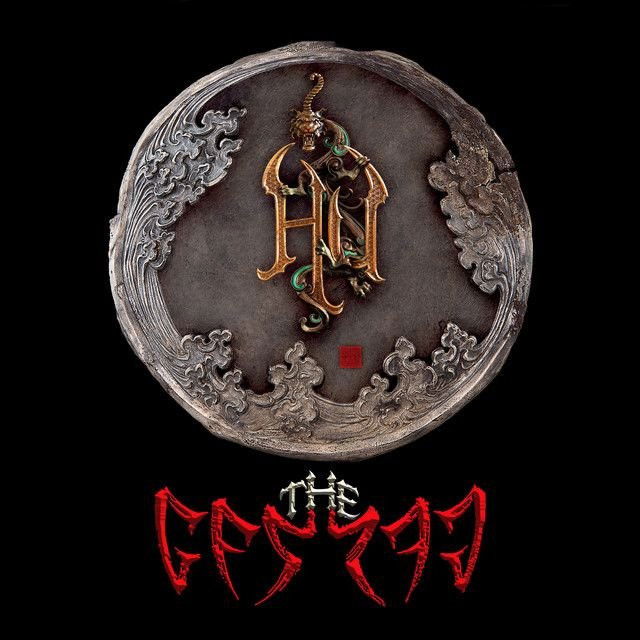
Why 'Shoog Shoog' Sounds Like a Sacred Oath
The meaning of Shoog Shoog The HU comes through less as a story and more as a ceremony. Rather than follow one character, the song gathers groups of believers, protectors, and heirs into a shared voice. They sound as if they are pledging themselves to sacred tradition, moral order, and the survival of a people.
"Shoog Shoog" - The HU
The exalters of the Burkhan Khaldun
The devotees of the most high
Loading lyrics...
Unable to load lyrics
We're unable to display the lyrics at this time. Please try again later.
The HU are known for blending Mongolian folk elements with rock and metal, a style they have called “hunnu rock” in coverage around the band’s rise. That identity matters here because the song’s message is carried not only by the words, but by the force of its chant-like delivery and traditional imagery.
The Core Message Hides in Plain Sight
At its heart, “Shoog Shoog” is about collective devotion. The verses list communities tied to holy places, ancestral symbols, and spiritual ideals. The chorus then turns that reverence into an offering. When they sing faith and lives
and later victory and bounty
, the song frames loyalty as total, not partial.
That makes the track feel bigger than a simple anthem. It is not just proud; it is reverent. The people in the song are not celebrating themselves alone. They are placing themselves under something older and higher, whether that is divine order, ancestral law, or national memory.

Watch the official Shoog Shoog
music video
Sacred Geography, Not Random Name-Dropping
One reason the lyrics feel so weighty is their use of place. Mountains, regions, and sacred sites are named as if they are living witnesses to history. References to Burkhan Khaldun and Deluun Boldog point listeners toward Mongolian cultural memory, especially ideas connected to origins, rulership, and homeland.
The same goes for spiritual language like blue Tengri
. That phrase evokes the sky-centered belief system often associated with Mongol tradition. In the song, these references do more than add color. They create a map of identity. The land, the heavens, and the people all belong in the same moral world.
Banners, Law, and Duty
The banners matter too. The lyrics mention both the Black Banner and the White Banner, pairing them with defense, reverence, and care for the wider community. Alongside that, the song invokes Ikh Zasag
, often understood as a great law code in Mongol history.
Taken together, these details suggest that “Shoog Shoog” honors a complete system: sacred belief, social order, and communal responsibility. It is not only about worship. It is also about how a people should live.
How the Chorus Turns Praise Into a Vow
The chorus is the emotional center because it changes the verses from description into submission. Instead of merely naming holy forces, the singers hand over what matters most. The repeated title phrase sounds less like a hook made for radio and more like a ritual cry.
We offer our faith and lives
We leave our victory and bounty
Those two lines, even in brief form, show the song’s structure clearly. First comes identity; then comes surrender. Interpretation: this is why the track feels so intense. It is built like an oath, where naming the sacred is followed by a promise to serve it.
The Voice Is Collective by Design
Another key to the meaning of Shoog Shoog The HU is the narrator. This is not an individual “I” song. It speaks as a “we,” even when the lyrics describe groups in the third person. That group voice matters because it makes the song sound communal, almost tribal in the broad cultural sense.
They are not confessing private emotion. They are declaring public values: wisdom, unity, healing, justice, and protection. Phrases like Unify the Mongols
and Declare the law of the truth
show that the song’s goals are social as well as spiritual.
Sound and Meaning Move Together
The HU’s sound helps explain why the song lands so strongly. Their music often combines deep vocal textures, driving percussion, and traditional timbres with hard-rock weight. In “Shoog Shoog,” that approach makes the track feel ceremonial and forceful at the same time.
The steady pulse gives the song the feel of a march or gathering rite. The layered voices make it sound larger than any one singer. And the rough, grounded tone of the performance keeps the song from floating off into abstraction. It feels physical, like something meant to be spoken by a crowd.
Interpretation: that production choice supports the lyrics’ message. A song about unity, law, and inherited belief should sound collective and ancient-facing. “Shoog Shoog” does.
Two Strong Ways to Read the Song
There are at least two good readings of the track:
- Spiritual reading: The song is a prayer-like act of devotion to sacred powers, holy places, and divine order.
- Cultural-historical reading: The song is a statement about Mongol continuity, using spiritual symbols to express identity, unity, and moral duty.
These readings do not clash. In fact, they strengthen each other. The lyrics treat culture, land, and belief as deeply connected.
Why the Song Resonates
What makes “Shoog Shoog” memorable is its seriousness. It does not chase irony or personal drama. Instead, it reaches for permanence: law over chaos, unity over division, truth over theft and disorder.
That gives the song an unusual power. It sounds like remembrance, but also like instruction for the present. For listeners in the United States, even without knowing every reference, the feeling still comes through: this is music about carrying a people’s values forward.
Final Take
The meaning of Shoog Shoog The HU is best understood as a sacred communal pledge. Through invocations of mountains, banners, law, and Tengri, the song joins spiritual reverence with cultural endurance.
That interpretation is based on the lyrics, known elements of The HU’s style, and the song’s imagery. As with all song analysis, some meanings remain open to listener interpretation.








