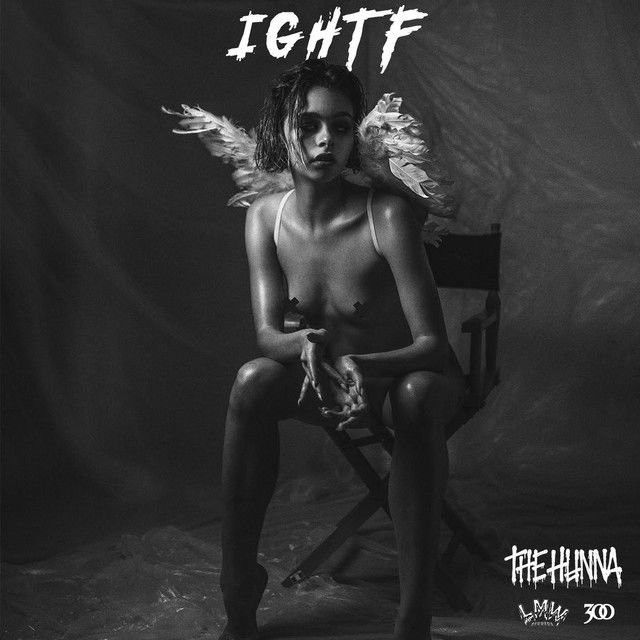
IGHTF by The Hunna
A breakup song with a second target
The meaning of IGHTF The Hunna starts with a simple idea: they are trying to numb the pain after trust breaks down. On the surface, the song sounds like a post-breakup spiral. The speaker is angry, still attached, and using intoxication as escape.
"IGHTF" - The Hunna
I won't pick up
On the next time that you ring
Loading lyrics...
Unable to load lyrics
We're unable to display the lyrics at this time. Please try again later.
But context changes the meaning. The Hunna introduced “IGHTF” in 2019, and reporting around the release said it was about leaving their old record label. According to The Hunna, the single arrived after a period of public label trouble, including a cancelled headline show tied to a label change. That makes the song feel less like a literal romance story and more like a betrayal song written in breakup language.
That double meaning is what gives it force. It works whether listeners hear an ex-lover, a business partner, or both.
Watch the official IGHTF
music video
Why the chorus hits so hard
The chorus is the emotional center. When they repeat I get high to forget you
, the line is blunt on purpose. There is no poetic cover. They are saying the hurt is so strong that distraction is not enough; they want chemical distance from memory itself.
The next idea, don't ever wanna come down
, pushes that feeling further. This is not just about getting relief for one night. It suggests a wish to avoid reality altogether. In plain terms, they would rather stay numb than face the damage.
Interpretation: If the “you” is a record label, the chorus becomes a bitter joke about the music industry. Something that was supposed to build them up instead leaves them wanting to disappear from the fallout. If the “you” is an ex, the same line captures obsessive heartbreak.
The verses map a collapse in trust
The opening attack, fuck up a good thing
, tells listeners the bond was once valuable. They are not mourning a casual connection. They believe something real was ruined.
Then the song turns to refusal. They will not answer the next call, which shows a boundary being set after repeated hurt. Even so, they admit they cannot fully let go. That tension matters: they want distance, but they are still emotionally trapped.
A later image, bloodshot eyes
, gives the song its physical detail. Instead of abstract sadness, they show the body after too much drinking or smoking, too little sleep, and too much replaying of the past. Another phrase, I can still taste you
, suggests memory that feels sensory and close. The relationship is over, but it still lingers.
That is why the song feels believable. The verses do not describe healing. They describe somebody stuck in the ugly middle stage, where anger and longing keep trading places.
The label-drama context sharpens the meaning
The Hunna are an English rock band formed in 2015 in Watford, and they broke through fast with early singles and their debut album 100. By 2018 and 2019, though, the band had also been dealing with record-label disruption. Wikipedia notes that a major Alexandra Palace date was cancelled due to a label change, and “IGHTF” was later described as being about leaving that old label.
That background explains why the lyrics feel so broad. They are written like a breakup so they can carry two stories at once:
- a toxic relationship ending
- a band cutting ties with an industry partner
- the emotional mess left by both
This kind of framing is common in rock writing. Personal language lets artists talk about business betrayal without sounding cold or legalistic. Instead of contracts and meetings, they give listeners pain, anger, and addiction imagery.
How the sound carries the wound
Musically, “IGHTF” leans into The Hunna’s punchy alt-rock style, shaped by loud guitars, a firm drum drive, and a hook built for live shouting. Their broader influences have included bands like Kings of Leon, Foals, and The 1975, as noted in their history. That mix helps explain the track’s balance of melody and aggression.
The production supports the meaning in a few clear ways:
Big repetition, small emotional vocabulary
The hook repeats because the speaker is mentally stuck. They do not have a long, wise explanation. They have one damaged idea and keep returning to it.
Guitars give anger a body
The crunchy guitar sound turns private misery into outward force. Instead of sounding purely sad, the song sounds wounded and confrontational.
The vocal delivery stays raw
They sing with strain rather than polish. That makes the resentment feel current, not reflective. They are not looking back calmly; they are still in it.
A short reading of the song's key turn
The emotional pivot is this:
It could've all good
Should've been all good
Even in imperfect wording, the point is clear. They believe the breakup was avoidable. The loss hurts not just because it ended, but because it did not need to end this way.
That regret matters. Many revenge songs try to sound fully detached. “IGHTF” does not. They are furious, but they also sound disappointed. That mix gives the track more depth than a simple kiss-off anthem.
Final take on the meaning of IGHTF The Hunna
So, what is the meaning of IGHTF The Hunna? Most clearly, it is a song about using intoxication to escape betrayal and memory. On the surface, it plays like a breakup track. In context, it also reads as The Hunna turning record-label fallout into the language of romance and withdrawal.
That layered approach is why the song lands. Listeners do not need to know the industry backstory to feel it, but knowing that history makes the anger sharper and the hook sadder.
Interpretation disclaimer: Song meanings can have more than one valid reading. This article separates sourced context from interpretation, and some lines may resonate differently for different listeners.









