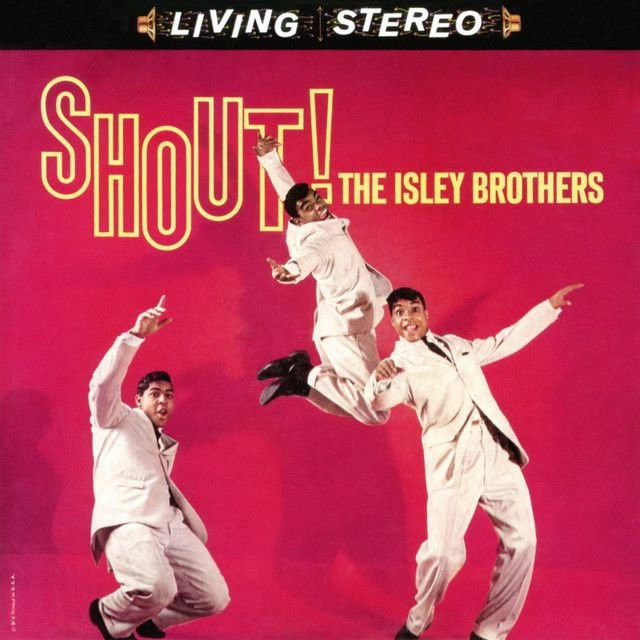
Why “Shout” Still Feels Like Pure Release
The meaning of Shout, Pts. 1 & 2 The Isley Brothers starts with a simple idea: love can become so intense that it breaks past language. Instead of staying polite or controlled, the song turns desire into motion, noise, and group feeling.
"Shout, Pts. 1 & 2" - The Isley Brothers
You know you make me wanna (Shout!)
Kick my heels up and (Shout!)
Loading lyrics...
Unable to load lyrics
We're unable to display the lyrics at this time. Please try again later.
Released in August 1959 and recorded at RCA Victor Studios in New York, the single was split into two parts and became the Isley Brothers’ first chart hit. It was written by O'Kelly Isley Jr., Ronald Isley, and Rudolph Isley, and produced by Hugo & Luigi. Those details matter because the record sits right where gospel passion, R&B rhythm, and early rock and roll meet.
More Than a Love Song, It Is a Physical Reaction
At the lyric level, the song is about being so affected by someone that the body reacts before the mind can explain it. When the singer says make me wanna
and then lands on shout
, the emotion becomes physical. Kicking, raising hands, and throwing the head back are not random dance moves. They show feeling overflowing.
That is why the song remains so easy to understand. It is not a complicated story song. It is a performance of being overcome.
Interpretation: They frame love as a force that strips away coolness. The point is not just romance. The point is surrender.
Watch the official Shout, Pts. 1 & 2
music video
The Voice in the Song Wants Reassurance
Under the party energy, there is also vulnerability. The singer keeps asking for confirmation, using phrases like say you will
. In plain terms, they want the other person to speak love back and make the bond feel secure.
That gives the record more depth than its famous hook suggests. It is not only celebration. It is also need. The singer praises the partner, remembers a longer connection, and fears being left behind.
One brief section captures that emotional mix:
say that you love me
say that you need me
Even here, the song is still direct and repetitive, but repetition is the point. They are not building a poetic puzzle. They are showing insistence.
A Strange Memory Adds Tension
One lyric often catches listeners off guard: the memory of the girl when she used to be nine years old
. In context, it seems meant to show long familiarity and the passage of time, not to dwell on childhood itself.
Interpretation: Modern listeners may hear that line as awkward, because social norms and songwriting expectations have changed. In the late-1950s context, it reads more like a rough sketch of growing up together and then facing adult separation. The next idea matters more: now that she is older, she may leave.
So the song’s little narrative is this:
- Attraction becomes excitement.
- Excitement turns into pleading.
- Pleading reveals fear of loss.
- Fear gets transformed into communal release.
That final shift is why the song feels triumphant even when some lines sound anxious.
The Sound Explains the Meaning Better Than the Plot
To understand the meaning of Shout, Pts. 1 & 2 The Isley Brothers, listeners have to hear how the arrangement works. Factually, the song grew out of the group’s live shows, where Ronald Isley reportedly stretched out a call-and-response section after seeing the audience react. The group later developed that moment into a full recording, even inviting friends into the studio to help create a party atmosphere.
That origin story fits the record perfectly. It sounds less like a private confession and more like an event.
The music builds through:
- call-and-response vocals
- handclap-style rhythm
- gospel-rooted intensity
- dynamic shifts from soft to loud
- repeated commands that invite participation
The famous softer-then-louder passage is especially important. When they move toward a little bit softer now
and then rise again, they are controlling tension like a preacher, bandleader, and dance captain all at once. The song teaches the crowd how to feel, then lets the crowd help finish it.
Gospel Energy Turned Secular
One reason the record hit so hard in 1959 is that it borrowed the emotional force of church music and redirected it into pop. Sources on the song’s history note its traditional Black gospel sound, and Ronald Isley later recalled that some church groups objected to hearing that sacred energy in a secular hit.
That tension is central to the song’s power. “Shout” sounds joyful, but also slightly unruly. It takes a style associated with worship and applies it to romance, dancing, and release.
Interpretation: They are not mocking gospel. They are showing how deeply gospel feeling shaped Black popular music. The result is ecstatic rather than cynical.
Why the Song Outgrew Its Chart Peak
The single reached No. 47 on the Billboard Hot 100, which is solid but not enormous. Still, its afterlife became huge. It later entered the Grammy Hall of Fame, and its presence in films, cover versions, and sports culture helped make it feel permanent.
That long life makes sense because “Shout” is built for participation. A listener does not just hear it; they almost automatically join it. The song works at weddings, games, parties, and live shows because its real subject is collective release.
The Lasting Takeaway
So what is the meaning of Shout, Pts. 1 & 2 The Isley Brothers? At its core, it is about love and desire becoming too big for ordinary speech. The singer asks for reassurance, fears losing the relationship, and turns all that pressure into a joyful explosion.
That is why the song still works. It turns private emotion into public energy, and it makes release sound like freedom.
Disclaimer: This interpretation is based on the song’s lyrics, recording history, and musical context. As with any classic song, listeners may hear different meanings in it.








