Reverence by The Jesus and Mary Chain
The meaning of Reverence The Jesus and Mary Chain starts with shock, but it does not end there. On the surface, the song sounds like a blunt chain of death wishes, religious provocation, and dark jokes. Under that surface, it feels more like a study in obsession, fame, sacrifice, and the strange pull of self-destruction.
"Reverence" - The Jesus and Mary Chain
I want to die on a bed of spikes
I want to die come see paradise
Loading lyrics...
Unable to load lyrics
We're unable to display the lyrics at this time. Please try again later.
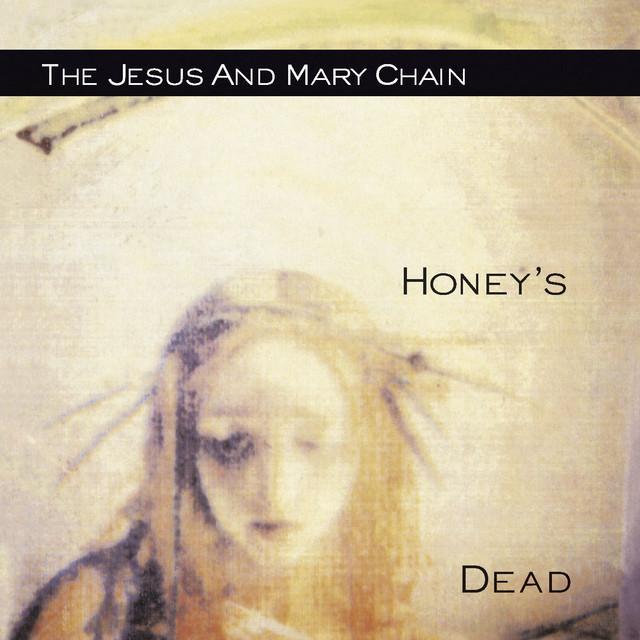
Released in 1992 as the first single from Honey's Dead, the track marked a sharp, modern turn for the band. According to Wikipedia, it reached No. 10 on the UK Singles Chart, and the BBC banned it from TV because of its references to Jesus Christ and JFK. That controversy matters, because the song is built to test limits.
The scandal is the point, but not the whole point
At the center of the song is a repeated desire for a dramatic, public ending. When the narrator says I want to die
, they are not giving a calm confession. They are making death sound theatrical, mythic, and almost commercial.
That is why the references to Christ and Kennedy matter. Both figures carry huge cultural weight. One stands for martyrdom and spiritual meaning; the other suggests glamour, violence, and American public tragedy. By pairing them, the song collapses religion, politics, celebrity, and spectacle into one ugly fantasy.
Interpretation: rather than simply celebrating death, the song may be mocking the way culture turns violent endings into icons. The repeated wish sounds so exaggerated that it feels less like realism and more like a dare.

Watch the official Reverence
music video
How the lyrics connect to its bigger themes
The opening lines move fast from sacred to grotesque. A phrase like just like Jesus Christ
invokes martyrdom, while bed of spikes
twists that idea into punk imagery. Instead of reverence in the holy sense, the song offers a damaged, sarcastic version of reverence: worship mixed with disgust.
Then the JFK image shifts the song into American myth. The phrase on a sunny day
is chilling because it turns a bright setting into a scene of public violence. The contrast matters. The song keeps placing beauty next to brutality, which is one of The Jesus and Mary Chain's signature moves.
Near the end, the lyrics turn from death fantasy to ambition. The lines about not selling the soul but still hanging for it suggest someone who wants transcendence, success, or intensity without admitting the cost. That final pivot is important. It hints that the song is really about desire pushed to a dangerous extreme.
I wouldn't sell my soul
but I'd hang for this
These lines sharpen the song's theme. The speaker claims to have limits, but then immediately admits they would still sacrifice everything for the goal.
A voice trapped between craving and parody
One reason the song stays powerful is that its narrator is hard to pin down. They sound serious, but also performative. They sound hurt, but also amused by their own extremity.
That ambiguity gives the song its charge. If the words were purely sincere, the track would feel one-note. If they were purely ironic, it would lose danger. Instead, The Jesus and Mary Chain sit in the middle, where desire, nihilism, and satire all bleed together.
Interpretation: the title “Reverence” may be intentionally double-edged. It can suggest worship, but also false worship: the honoring of death, fame, shock, or suffering instead of anything truly sacred.
Why the sound makes the meaning stronger
The production on “Reverence” is crucial to its meaning. This was not the loose, early feedback-pop sound of the band’s Honey's Dead era alone; it was a cleaner, heavier, more industrial-leaning attack. The beat feels mechanical, the guitars slash rather than drift, and the vocal sits coolly over the chaos.
That contrast matters. Jim Reid does not howl the lyrics in panic. He often delivers them with a detached, nearly casual tone, which makes phrases like in the USA
land even harder. The calmness suggests numbness, or perhaps control. Either way, the music around him feels like pressure closing in.
The groove also gives the song a seduction that complicates its subject. They make a disturbing idea sound catchy. That tension is part of the point: pop pleasure and ugly content locked together.
Artist context helps explain the song's edge
By 1992, The Jesus and Mary Chain were already known for mixing sweetness with abrasion. “Reverence” pushed that formula into a more aggressive, danceable direction, fitting a moment when alternative rock was becoming bigger, darker, and more confrontational.
Factually, the song was written by Jim and William Reid and produced by the band, with Alan Moulder credited for engineering on the track. The single also inspired several official remixes, including one by Al Jourgensen, which shows how naturally the song connected to industrial and electronic-rock textures.
Reception also shapes meaning here. Because the BBC TV ban focused public attention on the controversial lines, many listeners first encountered the song as a scandal. But scandal can flatten a song. In this case, the uproar sometimes hid how carefully the track is built around repetition, contrast, and symbolic overload.
The clearest reading of “Reverence”
The best way to read the song is as a portrait of corrupted worship. It turns death into fantasy, public tragedy into style, and spiritual language into a punk sneer. Yet it also sounds fascinated by the very images it attacks.
That is why the meaning of Reverence The Jesus and Mary Chain remains compelling. It is not just trying to offend. It is showing how modern culture can glamorize destruction, and how people can chase intensity even when they know it is poisonous.
In the end, “Reverence” feels like a song about wanting something absolute: absolute meaning, absolute fame, absolute release. The danger is that every path it names leads back to spectacle and sacrifice.
Disclaimer: This interpretation separates factual release history from critical reading. As with many songs by The Jesus and Mary Chain, some meaning remains open to the listener.








