Why 'Sometimes Always' Hurts So Sweetly
The meaning of Sometimes Always The Jesus and Mary Chain starts with a simple idea: love can feel final one day and reversible the next. This song turns that emotional confusion into a duet, letting two people argue their way through hurt, pride, and desire.
"Sometimes Always" - The Jesus and Mary Chain
I gave you good and bad
I gave but you just threw it back
Loading lyrics...
Unable to load lyrics
We're unable to display the lyrics at this time. Please try again later.
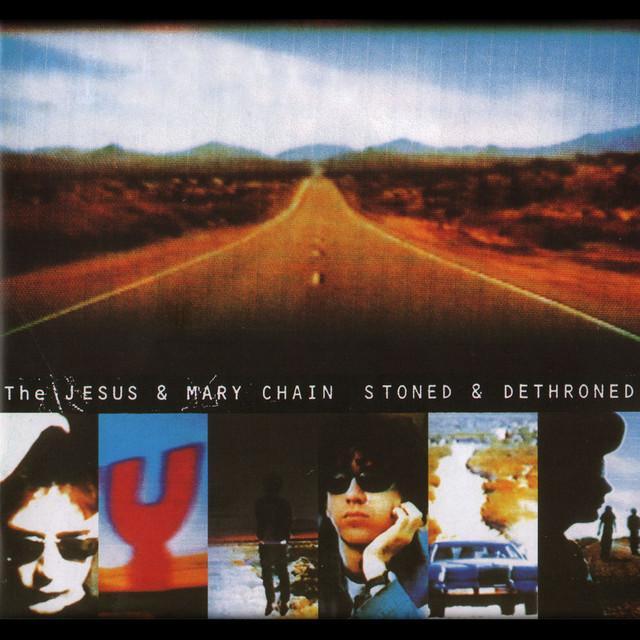
Released on Stoned & Dethroned in 1994, the track stands out in the band’s catalog for its gentler, more melodic surface. The Jesus and Mary Chain were already known for mixing pop hooks with noise and distortion, a style widely noted in coverage of the band’s career. Here, though, they use a softer frame for a tense emotional standoff. That contrast is a big part of why the song lasts.
A breakup song that refuses to stay over
On the page, the lyrics read like a direct conversation after a split. One voice opens by insisting they gave everything, even the ugly parts, only to have that love rejected. The sharp phrase threw it back
captures that feeling of emotional waste.
But the song does not stay with one perspective. The answer comes quickly: the other person is not impressed by the return. When they push back with you can't come back
, the song reveals its central conflict. This is not just about missing someone. It is about whether apologies count after damage has already been done.
Interpretation: The song is less about a single event than a pattern. Each side has a memory of who hurt whom first, and each side wants the moral advantage.

Watch the official Sometimes Always
music video
Two voices, two truths
What makes the song special is its duet structure. Instead of a lone narrator telling a sad story, the track gives both people room to defend themselves. One says they will not beg; later, the same emotional wall falls apart. The other sounds wounded but also skeptical, as if they have heard promises before.
That shift matters. Early on, pride leads the exchange. The line won't get on my knees
sounds like a refusal to surrender dignity. Later, the song flips that stance, and pleading replaces control.
I got down on my knees
And then I begged you please
This is the emotional turn of the song. The person who once tried to protect their pride ends up doing the exact thing they resisted. In plain terms, love has made them contradict themselves.
The title’s quiet irony
The title “Sometimes Always” sounds like a contradiction, and that seems deliberate. “Sometimes” suggests uncertainty, inconsistency, and mood. “Always” suggests permanence. Put together, they describe a relationship where devotion feels real but never stable.
That title also reflects the song’s structure. The couple keep circling the same emotional ground: leaving, returning, blaming, asking, resisting. Nothing is settled for long. In that sense, the title may describe a romance that keeps mistaking repetition for destiny.
Interpretation: The title hints that these two people may believe they are meant for each other, even while proving they are bad at staying together.
The story beat by beat
A quick way to hear the lyric arc is to break it into stages:
- One person claims they gave everything.
- The other questions the right to return.
- Blame becomes more specific, with one admitting real harm.
- Hope rises again through a request for another chance.
- Pride collapses into open pleading.
- The ending suggests a reunion, but not necessarily a healed one.
That last point is crucial. The closing mood can sound happy on first listen, but the lyrics leave room for doubt. If this couple has already gone through this cycle before, taking someone back may be less a triumph than a habit.
Why the sound makes the pain go down easier
Part of the meaning of Sometimes Always The Jesus and Mary Chain comes from its production. The arrangement is warm, melodic, and almost breezy. The guitars shimmer instead of attack. The rhythm moves with a relaxed, pop-friendly ease.
That matters because the words are more cutting than the sound. A phrase like one more chance
lands differently when wrapped in sweet melody. The band create a familiar Jesus and Mary Chain tension here: emotional damage delivered through beautiful sound.
The vocal approach helps too. Rather than turning the song into full drama, the singers keep it cool and conversational. That restraint makes the argument feel more believable. They do not sound like they are performing heartbreak for an audience. They sound like they are stuck inside it.
A softer chapter for a noisy band
In the context of the band’s work, this song shows their gift for classic pop structure without losing emotional bite. William Reid wrote the song, and that clear verse-response design gives it an almost old-fashioned duet feel. Yet the emotional tone remains modern and messy.
For listeners in the United States, that mix may be why the song still connects. It sounds easy to love on the first spin, but the longer they sit with it, the more uncomfortable the emotional details become. The sweetness is real, but so is the resentment.
The most convincing reading
The strongest reading is that the song portrays an on-again, off-again relationship where both people are trapped in a cycle of hurt and return. Neither is fully innocent. Neither fully lets go. The song’s power comes from that fairness.
It does not give a clean lesson about love. Instead, it captures a common truth: sometimes people come back not because the past is resolved, but because the feeling never fully left.
That is why the song still resonates. It understands that romance can be tender and stubborn at the same time.
Disclaimer: This interpretation is based on the lyrics, performance, and known context, and other readings are possible.








