
Why "Hello, Hello" Matters to Kids
The meaning of Hello, Hello How Are You? The Kiboomers is simple on the surface, but that simplicity is the point. This is a children’s song built to teach a daily habit: greeting others, asking how they feel, and listening to the answer. In just a few lines, it turns a basic social routine into a lesson about honesty, empathy, and emotional awareness.
"Hello, Hello How Are You?" - The Kiboomers
Hello, Hello, how are you?
Hello,
Loading lyrics...
Unable to load lyrics
We're unable to display the lyrics at this time. Please try again later.
The Kiboomers are known for making educational children’s music through sing-alongs and action songs on their official platforms, which helps explain why this track is so direct and repetitive. Their style is aimed at early learners, not at poetic mystery. That makes the song’s meaning easy to hear, but still worth unpacking.
A Greeting Song That Teaches More Than Manners
At its core, the song is about connection. The repeated question Hello, Hello, how are you?
does more than start a conversation. It models a respectful way to notice another person.
For children, that matters. Many songs teach alphabet skills or counting. This one teaches social behavior. It gives kids a script they can use in real life, whether they are in class, at home, or meeting someone new.
Interpretation: The song suggests that politeness is not just saying hello. It also means making space for another person’s feelings.
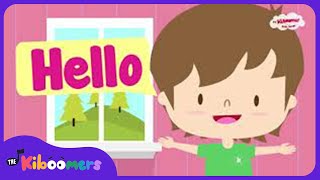
Watch the official Hello, Hello How Are You?
music video
The Real Lesson Is Emotional Honesty
One of the smartest things in the song is that it does not settle for only happy answers. First, the response is upbeat, using phrases like I am fine
and I am just great
. That establishes the familiar, cheerful pattern many children expect.
Then the song changes. A later answer says I am hungry
and I am tired
, ending with not so good today
. That shift is important because it teaches kids that not every check-in has the same answer.
Instead of forcing a smile, the song allows discomfort into the room. Hunger and tiredness are feelings children know well, and they are concrete enough for young listeners to name easily. In that sense, the track works like early emotional education.
A Tiny Story With Two Different Outcomes
Even though it is short, the lyric has a clear structure:
- Someone asks how another person is doing.
- The first answer is positive and energetic.
- The question returns.
- The second answer is less happy and more honest.
- The response becomes supportive rather than merely polite.
That final beat changes the song’s meaning. After hearing that someone feels bad, the voice answers with a brief hope that they will improve soon. The song moves from greeting to care.
Ah, well I hopeyou feel better soon
This is the article’s only multi-line lyric quote, and it captures the emotional center. The song is no longer just about introducing yourself. It is about how to respond when another person is struggling.
Why Repetition Is the Message
Children’s music often relies on repetition because it supports memory and participation. Here, repetition also reinforces the theme. By hearing the same question again and again, young listeners learn that checking in with others is a normal part of everyday life.
The repeated greeting also creates a call-and-response pattern. That matters musically and emotionally. It invites children to sing both roles: the person asking and the person answering. In practice, they rehearse empathy from both sides.
Interpretation: The song treats conversation as a shared rhythm. One person speaks, another answers, and both are part of the same small act of care.
How the Sound Carries the Meaning
The production style commonly associated with The Kiboomers is bright, clean, and easy to follow, designed for group singing and classroom use on their official channels. In a song like this, that usually means a steady tempo, simple melody, and clear vocal delivery.
Those choices support the lyric’s purpose. A complicated arrangement would distract from the words. Instead, the likely use of light percussion, major-key harmony, and singable phrasing makes the check-in feel safe and friendly.
That musical setting matters because children often learn through tone before they fully understand words. The warm sound tells them that talking about feelings is not scary. It is normal.
What Makes This Song More Useful Than It Looks
The meaning of Hello, Hello How Are You? The Kiboomers is not hidden in symbolism or metaphor. Its strength is practical. It gives young listeners a model for three everyday skills:
- greeting someone kindly
- answering honestly
- showing concern when another person feels bad
That makes the song valuable in homes and classrooms. Teachers and parents often use simple music to build routines, and this track fits that purpose well. It can start a school day, circle time, or a conversation about emotions.
There is also a subtle message about community. When one person says they are well and another says they are not, both responses are accepted. The song does not punish a bad mood. It answers it with care.
The Takeaway Behind the Smile
In the end, this is why the song lasts. It is catchy, but it is also emotionally smart. It tells children that asking questions matters, truthful answers matter, and kindness matters most when someone is having a hard day.
For listeners searching for the meaning of Hello, Hello How Are You? The Kiboomers, the best answer is this: it is a beginner’s lesson in empathy, wrapped in a cheerful sing-along. That is a small idea, but for children, it is a foundational one.
Disclaimer: This interpretation is based on the lyrics provided, the song’s educational style, and general context around The Kiboomers’ children’s music. Meaning can vary depending on the listener, setting, and performance version.








