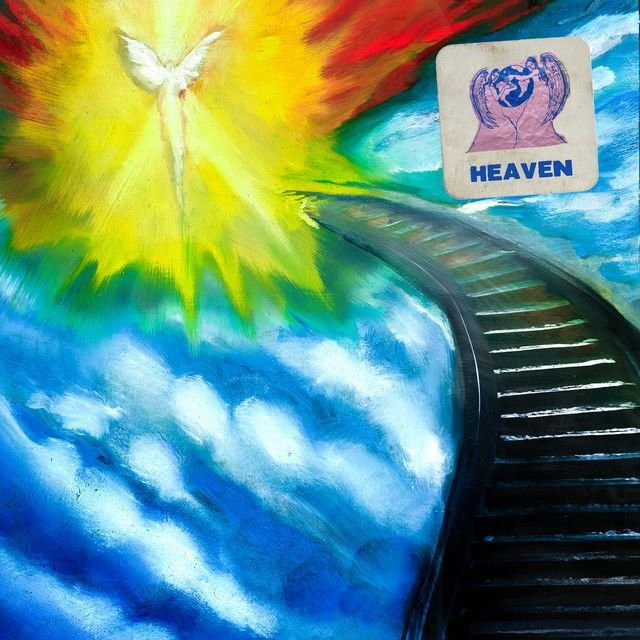
HEAVEN by The Kid LAROI
They flip a classic pop idea on its head: Heaven isn’t the goal—staying alive with the person who saved them is. That twist gives the meaning of HEAVEN The Kid LAROI its pull: love reframes mortality, turning a fatal spiral into a promise to keep going.
"HEAVEN" - The Kid LAROI
I don't
Unholy, lowlife, and lonely
Loading lyrics...
Unable to load lyrics
We're unable to display the lyrics at this time. Please try again later.
Love Makes Life Urgent, Not Distant
The hook lays out the thesis. Before the refrain, they admit to darkness and drift; then the chorus arrives as a vow to live.
Heaven is a place I don't wanna go 'Cause when I see your face, I don't wanna die no more
Interpretation: “Heaven” stands in for escape, oblivion, or death. The loved one replaces that pull with purpose. The meaning of HEAVEN The Kid LAROI, then, is not anti-spiritual—it’s pro-life, in the literal sense of choosing days over afterlife dreams.
A Confessional Voice, A Saving Presence
The narrator is first-person and unfiltered. When others say they miss the old me
, they push back. The old self was unholy, lowlife, and lonely
—a phase defined by shame and isolation, not identity.
They describe emotional shutdown as much as behavior. The image nothin' there behind my eyes
turns numbness into a picture: there was no spark, just a body going through motions. The “you” in the song is the person who noticed, asked questions, and stayed.
From Spiral to Sunrise: The Story in Steps
- Reckless phase: late nights and self-medication mask deeper pain.
- A near miss: they “can’t believe” they even made it to the moment of meeting this person—survival feels like luck.
- Intervention of love:
You found my walls
and didn’t flinch. That’s consent and care, not rescue fantasy. - Rebirth imagery: they were
dug me out the grave
, a stark metaphor for emotional resurrection. - Daily choice: prayer enters the picture, asking for “another day,” which reframes survival as practice, not a one-time fix.
Each step moves from confession to commitment. By the chorus, life is not a burden; it’s a gift they’re now guarding.
Symbols That Carry the Weight
- Heaven: Not a reward, but an exit. Inverting it turns the song into an anti-escape anthem.
- Walls: Emotional barriers built for safety. The beloved learns the layout and opens a door, not by force but by trust.
- Grave: A dramatic but apt metaphor for depression and self-neglect; “dug me out” implies someone joined them in the dirt and helped them stand.
- Prayer and “another day”: Even if the song never preaches, the act of asking for time suggests humility and routine—recovery as a repeated yes.
- Face: The sight of someone’s face becomes a lifeline. It’s simple but effective—an image of presence over abstraction.
How The Sound Makes the Message Land
The track works like a pop-rap ballad: bright guitar or piano figure up front, air in the mix, and drums that leave space for the vocal. When the chorus hits, the topline widens with layered harmonies and echo, giving the pledge a stadium-ready lift.
There’s a lived-in rasp to the delivery that keeps it confessional. Subtle pitch effects and stacked ad-libs thicken the hook without losing intimacy. The contrast between restrained verses and a soaring refrain mirrors the story arc—from closed-off to open sky. It’s therapy set to a 4/4 pulse.
The credits list Billy Walsh, Blake Slatkin, Charlton Howard (The Kid LAROI), Louis Bell, and Omar Fedi as writers—the same circle behind many sleek, melodic crossover hits. Their fingerprints are audible in the clean low end, the clipped hi-hats, and the way the melody treads a line between rap cadence and pop release.
Alternate Lenses Worth Considering
- Interpretation: The “you” could be sobriety itself. Lines about prayer and rebirth play like a recovery narrative where the partner is a stand-in for a promise made to oneself.
- Interpretation: The “you” could also be fans. For an artist who’s grown up in public, a crowd’s belief can feel like a shield. In that reading, “face” means faces—the community that kept them going.
These angles don’t cancel the romance reading; they enrich it. The metaphors stay open enough to hold multiple truths.
A Last Turn: Momentum Over Myth
The bridge’s repeated plea—take me there
—isn’t about escape, but about being led back to the here and now. Place, in this song, is presence. That’s why the hook rejects Heaven: the afterlife is abstract; love is immediate.
Takeaway: Choosing Days, Not Doors
The meaning of HEAVEN The Kid LAROI is a simple, resonant pivot: when someone makes life feel sacred, the fantasy of a perfect elsewhere loses its grip. The song turns confession into commitment and dresses it in a hook anyone can shout.
Disclaimer: This is an interpretation based on the officially credited lyrics and public context; individual listeners may hear different nuances.









