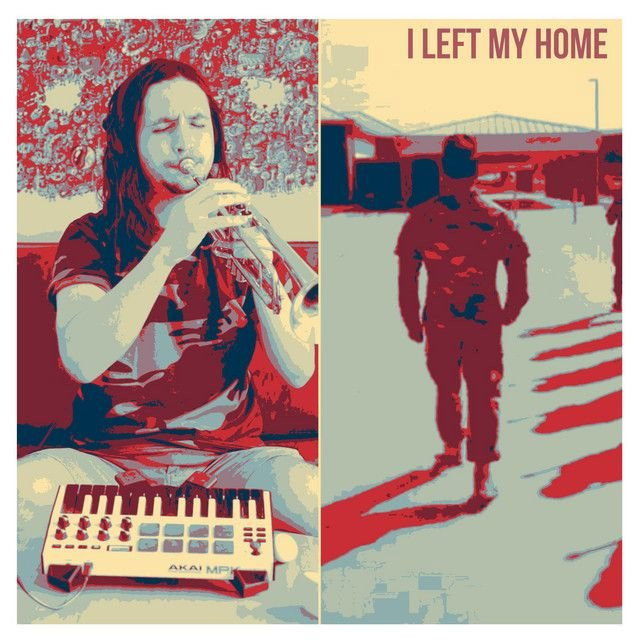
Why 'I Left My Home' Hits So Hard
The meaning of I Left My Home The Kiffness, Drill Sergeant DePalo comes down to a simple but painful idea: duty can ask a person to leave everything that makes life feel safe. In this song, they tell a story about joining the army, but the emotional center is not battle itself. It is the moment of departure, and the fear that departure may be permanent.
"I Left My Home" - The Kiffness, Drill Sergeant DePalo
I left my home, to join the army
The day I left, my momma cried
Loading lyrics...
Unable to load lyrics
We're unable to display the lyrics at this time. Please try again later.
The track is direct, repetitive, and easy to remember. That simplicity matters. It makes the song feel like a marching chant on the surface, while the words carry grief underneath.
A Marching Song With a Wound Inside
At the story level, the narrator says they left my home
to enlist. From there, the song moves through the reactions of the people left behind: a mother, a wife, and a son. Each detail keeps the focus on family rather than military glory.
That choice shapes the song’s message. Instead of celebrating enlistment, it frames service as separation. The line about join the army
sounds firm and public, but every family image makes that decision feel private and heartbreaking.
Interpretation: The song suggests that war begins emotionally long before combat starts. It begins at the front door, in a parent’s fear, in a partner’s tears, and in a child’s confusion.
The Family Scene Is the Real Battlefield
One of the clearest signs of the song’s meaning is how carefully it lists the people affected by one choice. The mother fears death. The wife stands at the door crying. The son is still in the yard, young enough to react with raw emotion rather than words.
Those snapshots are brief, but they do a lot. The phrase momma cried
turns the departure into a family trauma. The image of the wife crying at the door
adds a final-threshold feeling, as if they are standing at the line between home life and war.
Then the child changes the scale of the story. The son is not discussing duty or politics. He simply sees his father leave and breaks down. That makes the loss feel immediate and human.
I left my son playing in the yard
Seeing daddy leave made him cry so hard
This is the song’s emotional peak. It shows innocence meeting the reality of absence.
Repetition Turns Memory Into Meaning
The song repeats almost everything, and that is not wasted space. Repetition does two things at once:
- It copies the structure of a drill or cadence.
- It mirrors obsessive thought, as if the narrator and the listeners cannot move past the goodbye.
Because of that, the song feels trapped in one moment. They do not hear a full life story. They hear a memory replaying. That is why the sadness sticks.
The chant-like hook, including Left, march!
, adds another layer. Marching normally signals order, discipline, and forward motion. But here it pushes against the emotional content. The body moves forward while the heart stays behind.
What the Hook Adds to the Song
The repeated vocal refrain gives the track a communal feel. It sounds less like a private confession and more like something a group might sing together. That matters because it suggests this is not one family’s pain alone.
Interpretation: The hook turns one soldier’s story into a shared pattern. Many leave. Many families cry. Many people are asked to act brave while expecting loss.
Even the playful-sounding chant element softens nothing for long. Instead, it creates contrast. The rhythm may feel catchy, but the story remains grim. That tension is part of why the track lingers.
The Kiffness Context Matters
The Kiffness is the project of South African musician David Scott, a producer known for internet-driven songs, remixes, and comedy-inflected musical concepts shared across his official platforms, including The Kiffness website and YouTube channel. Based on the context provided here, Scott wrote the song.
That background helps explain the track’s style. The Kiffness often uses repetition, strong rhythm, and instantly recognizable vocal motifs. In this song, those tools are aimed at a darker emotional target.
Drill Sergeant DePalo’s presence in the artist credit also points listeners toward military cadence, command, and performance energy, even if the song’s heart is sad rather than aggressive.
How the Production Carries the Emotion
Musically, the song appears built around a chant framework: short lines, a steady pulse, and a call-and-response feel. That kind of structure fits military movement, but it also creates emotional compression. There is little room to hide from the central idea.
The likely effect is starkness. Instead of lush detail, they get blunt phrases and hard rhythm. That makes every family image land harder. A richer arrangement might have made the song sentimental. This approach keeps it plain and exposed.
In other words, the production does not distract from the message. It reinforces it. The beat says march, while the words say mourn.
The Strongest Reading of the Song
The strongest reading is that this is a song about the cost of leaving, not the honor of serving. It does not deny duty, but it refuses to romanticize what duty takes away.
There is also a second possible reading. Interpretation: Because the lyrics are so simple and repeated, the song can sound like a traditional barracks-style lament, where humor, chant, and sorrow live side by side. In that reading, the song is not only sad. It is also about how groups turn pain into ritual.
Why It Connects So Quickly
The meaning of I Left My Home The Kiffness, Drill Sergeant DePalo is easy to grasp because the song uses basic language for a deep fear: leaving home and not returning. Almost anyone can understand that, whether or not they have military experience.
That is the track’s strength. It says a lot with very little. By focusing on home, family, and the emotional shock of enlistment, it turns a march into a lament.
Disclaimer: This interpretation is based on the lyrics provided and publicly known artist context. As with any song, meaning can vary by listener and may differ from the creators’ intent.









