Leave the Bourbon on the Shelf by The Killers
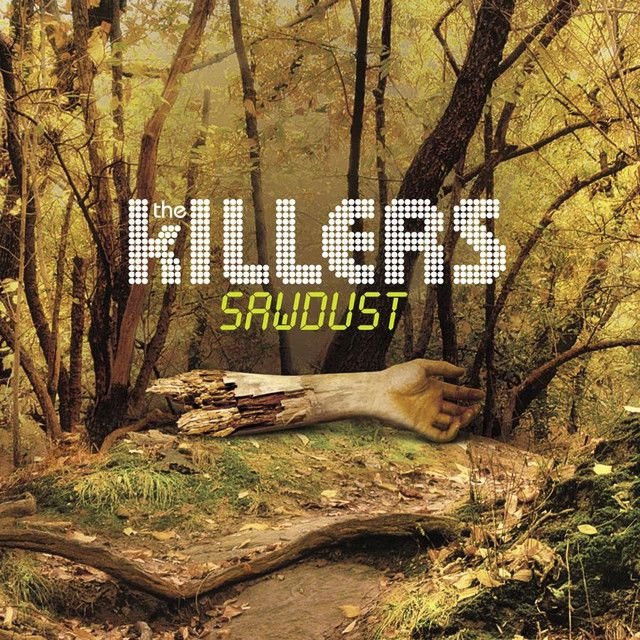
They called this track a long‑awaited piece of The Killers’ lore when it finally appeared on Sawdust in 2007. As the prelude to the band’s infamous Jenny saga, it shows a narrator on the edge—equal parts pleading lover and jealous observer—trying to hold on to Jennifer as his control slips. This guide unpacks the meaning of Leave the Bourbon on the Shelf The Killers fans still debate.
"Leave the Bourbon on the Shelf" - The Killers
Got a new place and how it's so much better
Falling over myself, the televisions on
Loading lyrics...
Unable to load lyrics
We're unable to display the lyrics at this time. Please try again later.
The Opening Tremor: A Breakup in Slow Motion
The first verse sketches panic through a vivid image: Shakin' like the Devil
. He’s rattled, not just sad. Jennifer has a new place, a new life, and the TV glow he “turns off” only throws his isolation into focus.
Interpretation: the scene suggests denial. He performs calm—smiling at silence—while his body betrays fear. The song lives in that contradiction: longing dressed up as control.

Watch the official Leave the Bourbon on the Shelf
music video
First Chapter of a Dark Trilogy
Fans and critics often place this song as the opening act of The Killers’ so‑called “murder trilogy,” followed by Midnight Show and Jenny Was a Friend of Mine. On release, it arrived later, tucked into the B‑sides and rarities of Sawdust (2007). That delayed arrival made it feel like a missing puzzle piece, retro‑fitting a narrative many listeners already knew.
Factual note: the Jennifer/Jenny connection has long been part of fan reading, with the names used interchangeably across the arc. Whether or not one accepts a literal crime, this track clearly sets up jealousy, confusion, and a dangerous need to possess.
Who’s Speaking, and What Do They Want?
The narrator addresses Jennifer directly, desperate to know where he stands. When he asks Who's that other boy
, the mask slips. His obsession flips from tender to suspicious in a line. Right after, he vows devotion with I love you endlessly
, trying to pull her back with absolutes.
Interpretation: he wants certainty more than love. His assurances sound big, but they’re brittle. The song frames this as bargaining—if he says the right words, maybe the past resets.
The Chorus: A Toast to Loneliness
The hook makes the trade‑off blunt:
Leave the bourbon on the shelf
And I'll drink it by myself
He’s promising self‑reliance, but the picture is hollow. Drinking “by myself” is both a threat and a crutch—an I’ll‑be‑fine that already isn’t. The repeated I'm not satisfied
raises the stakes: satisfaction now equals getting her back, not healing. When he begs for one more chance tonight
, his timeline shrinks to right now, revealing panic more than plan.
Interpretation: the chorus is emotional blackmail disguised as heartbreak poetry. The bourbon is the stand‑in for control; keeping it “on the shelf” means he can still choose to numb out if she leaves.
Symbols and Motifs: Bourbon, Bells, and Blue Light
- Bourbon: a coping mechanism, but also a ritual—something he can control when Jennifer won’t comply. It signals isolation more than swagger.
- The television: noise without comfort. Turning it off to “smile” reads as eerie composure, a moment that several fans have noted feels “sinister.”
- The “wreckin’ bell” ringing: a warning. Whether misheard or metaphorical, it suggests doom tolling—an alarm for a relationship about to collapse.
- Endless promises: phrases like
I love you endlessly
and that constantI'm not satisfied
loop like a mantra. Repetition mirrors obsession.
Together, these images turn a simple plea into a tableau of control slipping away in real time.
How the Sound Carries the Plea
Musically, The Killers lean on chiming guitars, a tight rhythm section, and Brandon Flowers’ theatrical delivery. The arrangement shines like indie‑rock nightlife, but the vocal teeters—urgent, a little breathless—which sells the unraveling. That push‑pull is classic Killers: glossy surfaces, messy hearts.
Because the track later surfaced on a compilation, it also feels slightly raw compared to their big singles. That looseness helps. It places the listener in the room with a guy pacing, bargaining, and making promises he likely can’t keep.
Alternate Angles: Love Song or Red Flag?
- Interpretation 1: It’s a straight breakup song—he’s hurt, jealous, and trying every tactic to win one last night. The bourbon is self‑soothing.
- Interpretation 2: It’s a character study that foreshadows worse choices later in the trilogy. Lines like
Who's that other boy
and the relentlessI'm not satisfied
hint at possessiveness turning dangerous.
Both readings work, which is why the song endures: it’s catchy enough to sing along, and thorny enough to argue about.
Takeaway
At heart, this is about the line between devotion and control. The chorus lifts like a toast, but the glass is empty. That tension is the core meaning—and the reason listeners keep returning to it.
Disclaimer: Song interpretations are subjective. This analysis draws on lyrics, public context, and reported release history; your own reading may differ.