Why 'My Own Soul’s Warning' Finds You First
They’ve always loved a grand confession, and this one feels like the moment the conscience steps up to the mic. The Killers’ single plays like a face-off between impulse and inner truth, set to synth fire and thundering drums.
"My Own Soul’s Warning" - The Killers
But in the end, something just didn't feel right
Oh I tried diving even though the sky was storming
Loading lyrics...
Unable to load lyrics
We're unable to display the lyrics at this time. Please try again later.
What the Warning Is Really Saying
At its core, the meaning of My Own Soul’s Warning The Killers deliver is repentance. Brandon Flowers has said the song wrestles with owning mistakes and returning to a truer path. The narrator admits he went against my own soul’s warning
, and the world pushed back.
Interpretation: the “warning” is that quiet inner voice—moral, spiritual, or simply gut sense. When he ignores it, the body keeps the score. He knows something didn’t feel right
, and that friction becomes the lesson.
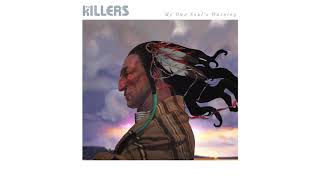
Watch the official My Own Soul’s Warning
music video
Who’s Speaking, And Who’s “You”?
The song is in first person, addressing a “you” that functions like a home base. It could be a partner, a higher power, or the self he lost. When he longs to get back, he’s reaching for alignment—romantic, spiritual, or both.
Interpretation: the “you” flexes on purpose. Making it fluid lets the lyric resonate whether someone hears a love story, a faith story, or a sobriety story.
A Lightning-Struck Timeline
- He defies the inner voice and steps into the storm:
the sky was storming
. - He overestimates himself—
thought I could fly
—and thenhit the ground
. - The fallout lingers as insomnia and rumination:
cutting up my nights
. - He realizes the only way out is back—toward truth, toward “you.”
Each beat moves from hubris to consequence to humility. It’s classic Killers storytelling: cinematic with a moral center.
Symbols That Shine and Sting
The storm is temptation and chaos; the fall is the crash of consequences. The repeated “penalty” hints at guilt and the costs that keep arriving until he changes.
The most striking image aims past the everyday toward revelation:
If you could see through the banner of the sun Into eternity’s eyes
He imagines a vision that calls him by name—intimacy at cosmic scale. Interpretation: this is the conscience personified, or a brush with the divine. Either way, the message cuts through modern noise.
How the Sound Lifts the Confession
Musically, they frame admission as triumph. A clarion synth riff leads into a galloping beat designed for stadiums. Critics noted its arena-rock sweep when it arrived in 2020. Underneath, bass and organ push forward while guitars and keys shimmer. Strings add lift to the refrain, turning personal struggle into communal release.
Behind the boards, producers Jonathan Rado and Shawn Everett shape that widescreen sound. According to reporting, the band chased nearly 90 mixes before it clicked—Flowers even joked about how stubborn the track was. That persistence shows: every drum fill and synth stab feels dialed for impact.
2020 Rollout, Art, and Videos
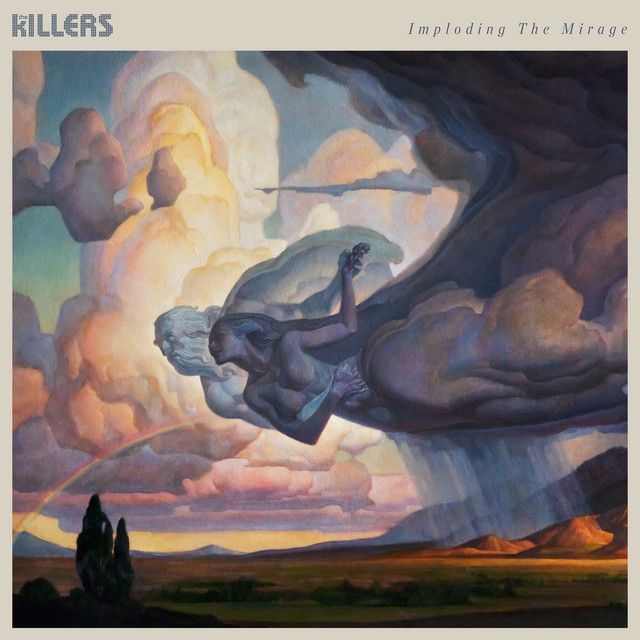
Released June 17, 2020, as the second single from Imploding the Mirage, it opens the album like an oath. The cover art by Thomas Blackshear, used with the blessing of the Crow Tribe of Indians, lent the campaign a sense of American myth and respect for the communities depicted.
Two videos deepened the narrative. One previewed a longer film with Americana vignettes; the other sent Flowers and drummer Ronnie Vannucci Jr. on a road trip through cornfields and snow. The imagery—motion, weather, changing light—echoes the song’s central idea: you can drive for miles, but your shadow rides along until you face it.
Alternate Readings Worth Hearing
- Romantic return: The “you” is a partner, and the storm is infidelity or distance. The song becomes a pledge to come home.
- Spiritual repentance: The “you” is God, and the warning is a moral compass. The stadium scale mirrors worship and awe.
- Recovery narrative: The storm is addiction; the fall is relapse. The refrain is the decision to start again.
Interpretation: the lyric’s power is that it holds all three at once. Each reading honors the cost of ignoring that inner nudge—and the relief of finally listening.
What Stays After the Echo
In the end, it’s a song about choosing alignment over impulse. They turn self-reproach into uplift, so the lesson lands like an anthem rather than a scold.
The hook doesn’t say “I was right.” It says “I learned.” That’s why the warning feels like grace: it arrives to stop the next fall before it starts.
Disclaimer: Song meanings are subjective; this analysis combines reported context with reasonable interpretation of the lyrics and production.









