Why 'Smile Like You Mean It' Still Hurts
The meaning of Smile Like You Mean It The Killers comes down to a simple but powerful tension: the song sounds bright, but it feels wounded. Under its shiny synths and crisp hook, The Killers turn a command to look happy into a meditation on growing up, losing time, and watching life move on without them.
"Smile Like You Mean It" - The Killers
Change your ways while you're young
Boy, one day you'll be a man
Loading lyrics...
Unable to load lyrics
We're unable to display the lyrics at this time. Please try again later.
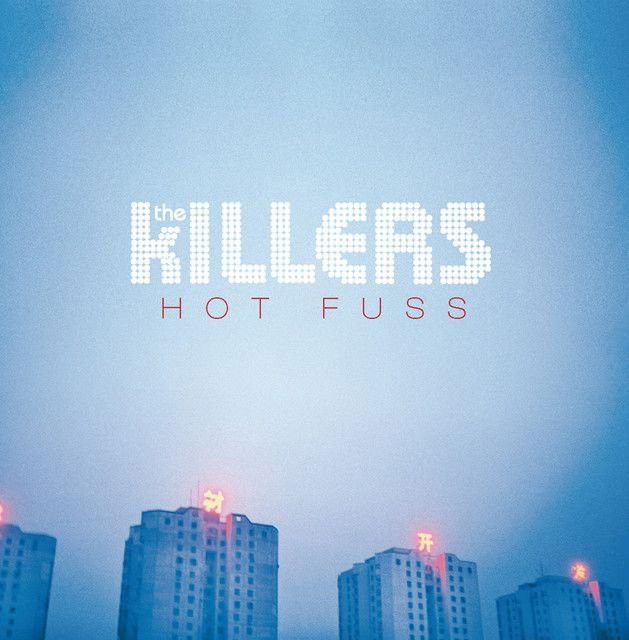
Released on Hot Fuss in 2004 and issued as a U.S. single in 2005, the song became one of the band’s defining early tracks. It was written by Brandon Flowers and Mark Stoermer, with production credited to Jeff Saltzman and the band. Critics quickly noticed its emotional split between catchiness and melancholy.
The Heart of the Song Hides in Plain Sight
At the center is a repeated instruction: Smile like you mean it
. Before and after that hook, the verses paint scenes of youth slipping away. They mention changing while young, remembering old sunsets, and realizing that dreams are not what they once seemed.
Interpretation: That makes the chorus feel less like cheerful advice and more like survival. The speaker seems to be telling someone—or maybe themselves—to keep composure while confronting disappointment.
This reading fits how the song has been received. Billboard said it seems to deal with “coming to terms with growing up and getting older,” a concise summary of the emotional core. Brandon Flowers also told NME the song was personal and that listeners bring their own meaning to it.

Watch the official Smile Like You Mean It
music video
A Story About Time Moving Forward Without Permission
The verses move like flashes of memory rather than a straight plot. First comes warning and instruction: Change your ways
while youth still allows it. Then the song shifts into recollection with Looking back at sunsets
, grounding the emotion in a specific past.
Flowers has said that the East side line refers to the East side of Las Vegas, which gives the song a real hometown texture. That detail matters because it turns vague nostalgia into something lived-in: streets, neighborhoods, and routines that once felt permanent.
Then the song widens from memory to loss. When the lyric says Dreams aren't what they used to be
, it suggests more than simple disappointment. It points to maturity itself—the painful moment when adult life no longer matches teenage expectation.
The Most Painful Images Are About Replacement
The bridge is where the song cuts deepest. The speaker hears a name called from the back of a restaurant, imagines games in the childhood home, and pictures someone else driving a woman down familiar roads.
And someone is calling my name
From the back of the restaurant
And someone will drive her around
Down the same streets that I did
That brief passage turns memory into dispossession. Places still exist, but they no longer belong to the speaker. Other people now occupy the same rooms, relationships, and routes.
Interpretation: This is why the chorus lands so hard. Smiling is not about joy. It is about accepting that life keeps repeating, just without them at the center.
Sound Versus Feeling: Why the Track Is So Effective
Part of what makes the song memorable is how its production argues with its lyrics. Reviews at the time described it as more restrained and downtempo than some earlier Killers singles, yet still filled with soaring new-wave synthesizers and sharp guitar lines. That contrast is crucial.
The keyboards shimmer, the beat stays steady, and the melody remains singable even when the words turn reflective. Instead of sinking into ballad sadness, the band lets the arrangement keep moving. That creates the emotional illusion of a brave face—exactly what the title phrase suggests.
Brandon Flowers’ vocal also matters. They do not oversell the grief. The performance stays controlled, almost formal, which makes lines like Some things slide by
feel even more resigned.
Two Strong Readings of the Lyrics
There are at least two solid ways to hear the song.
Reading One: A song about aging and nostalgia
This is the strongest interpretation. The lyrics move from youth to memory to replacement, all while asking for a convincing smile. In this reading, the song is about the shock of realizing that childhood, early love, and old dreams are gone.
Reading Two: A song about fake emotion
Some listeners, including summaries on Songfacts, hear it as a song about false smiles and social performance. That reading works too, because the title phrase can sound like a demand to hide true feelings and act sincere whether or not the emotion is real.
These readings are not opposites. In fact, they support each other. People often become most performative when they are grieving change.
Why It Still Connects
The song remains popular because it captures a common American feeling: the moment when familiar places start to feel haunted by earlier versions of life. Its music video reinforces that idea by showing the band as ghostly observers inside a house full of family scenes and time shifts.
It also helped define Hot Fuss as more than a collection of indie-rock singles. With its blend of synth-pop polish, romantic distance, and suburban melancholy, the track showed how The Killers could make memory sound huge.
Final Take on the Meaning
So, what is the meaning of Smile Like You Mean It The Killers? Most clearly, it is about facing the loss that comes with growing older and trying to meet it with grace. The smile in the title is both mask and method: a way to endure what cannot be undone.
That tension is why the song still lingers. It dances, but it mourns.
Disclaimer: This interpretation is based on the lyrics, artist comments, and documented reception. As Brandon Flowers has suggested, listeners may bring their own meaning to the song.







