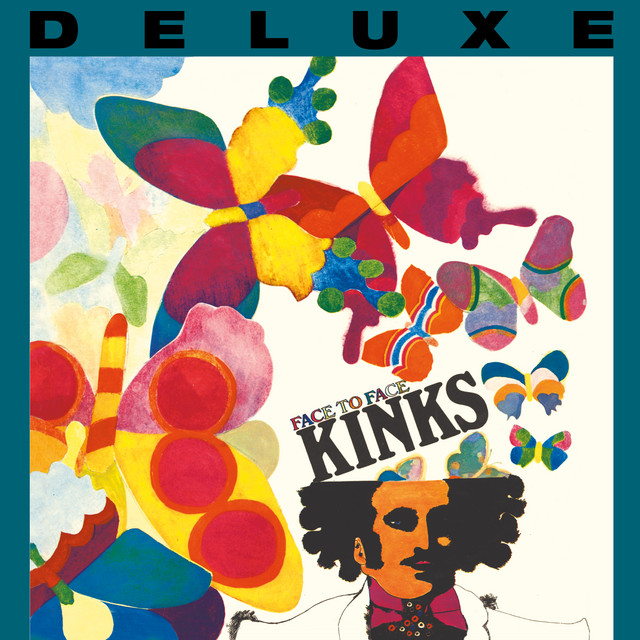
Why 'Dead End Street' Still Hits Hard
The meaning of Dead End Street The Kinks comes down to one clear idea: they portray poverty not as an abstract issue, but as a daily routine. The song follows people stuck in bad housing, out of work, and running out of ways forward. What makes it powerful is how ordinary the details are. Nothing is romanticized.
"Dead End Street" - The Kinks
And the kitchen sink is leaking.
Out of work and got no money,
Loading lyrics...
Unable to load lyrics
We're unable to display the lyrics at this time. Please try again later.
Released as a 1966 single written by Ray Davies and produced by Shel Talmy, the track became a Top 5 hit in the UK while reaching No. 73 in the US. It was recorded at Pye Studios in London and is often described as pop with strong music-hall influence. Those facts help because the song’s style is just as important as its lyrics.
A Portrait of Hard Times, Not a Protest Slogan
At its core, the song is about a couple living with money trouble, poor housing, and social limits. Early lines mention a damaged ceiling and a leaking sink, then quickly move to unemployment and hunger. By using plain images instead of speeches, Davies makes the hardship feel lived-in.
When the singers ask what they are living for, the question does not sound philosophical. It sounds exhausted. The image of a two-roomed apartment
on an upper floor suggests cramped living and little comfort. Then the pressure grows with rent collector's knocking
, a small phrase that turns money problems into immediate fear.
Interpretation: The song is not only about being poor. It is about being made to feel invisible and disposable while poor.

Watch the official Dead End Street
music video
The Chorus Turns One Street Into a Whole System
The repeated cry of dead end street
is the song’s biggest symbol. It is a place, but it also means a blocked future. The chorus keeps returning like a trap door. No matter what details the verses add, the same destination waits.
That is why the song feels bigger than one family. When they sing strictly second class
, the line widens the story from personal struggle to social ranking. They are not simply unlucky. They feel sorted into a lower place and left there.
Interpretation: The title suggests class structure as much as geography. The street is “dead end” because the system around the characters offers little mobility.
The Small Domestic Details Matter Most
One reason the song has lasted is its close focus on home life. Cold mornings, toast, tea, and frozen feet make the crisis feel intimate. These are not grand tragic images. They are the little rituals people keep doing while life is falling apart.
A key line is no chance to emigrate
. According to Ray Davies, the lyric was partly about a couple who wanted to move to Australia through an assisted migration plan, but could not make that escape after things went wrong. That backstory gives the song another layer: even the dream of leaving has collapsed.
What are we living for?
Two-roomed apartment
No money coming in
This short sequence captures the song’s cycle: question, cramped reality, then financial panic.
Ray Davies Wrote Against the 'Swinging Sixties' Myth
Part of the meaning of Dead End Street The Kinks comes from timing. In the mid-1960s, London was often sold as bright, stylish, and carefree. Ray Davies pushed back against that image. He said the cheerful public image of the decade could act like camouflage for the hardship many people still lived with.
That makes the song a correction to the fantasy of the era. While other records celebrated fashion and freedom, this one stayed with the people who could not afford the party. Davies also connected the song to winter in England and to family memories of Depression-era struggle, which helps explain its gray, heavy mood.
Why the Music Sounds Both Catchy and Bleak
The arrangement is crucial. Sources note that the final version replaced organ and French horn with piano and trombone, giving the record a more earthy, working-class tone. Ray Davies later said he wanted it to feel dour and grounded, and the trombone helped achieve that. The result is catchy, but never glossy.
There is also a slight old-time feel in the rhythm and melody, almost like music hall or trad jazz with darker edges. That matters because it connects present-day hardship to older British struggles. The song sounds modern enough for pop radio, yet haunted by an earlier era of poverty.
The stomp of the beat feels like routine, almost like people marching because they have to. The vocal delivery adds strain without losing melody. That balance is why the song can sound singable and miserable at once.
Reception and Legacy
Critics at the time noticed that unusual mix. Contemporary reviews praised the lyrical strength and the nostalgic shape of the melody. The single hit No. 5 in the UK, showing that a song about unemployment and class anxiety could still connect widely.
Its afterlife has been strong too. Dave Davies called it one of the clearest examples of what The Kinks did best: character, pathos, and some hope inside the sadness. Later artists felt its pull as well, and its visual style even influenced Oasis decades later.
The Lasting Meaning of 'Dead End Street'
So what is the final takeaway? The meaning of Dead End Street The Kinks is about being cornered by class, debt, and bad luck, but still speaking from inside that corner with honesty and wit. They do not make poverty poetic. They make it visible.
That is why the song still lands. Its world is specific to 1966 Britain, yet its fears are still familiar: unstable work, rising bills, shrinking space, and the shame of falling behind.
Disclaimer: This interpretation separates documented facts about the song’s background and recording from critical reading of its themes. Meanings can vary from listener to listener.








