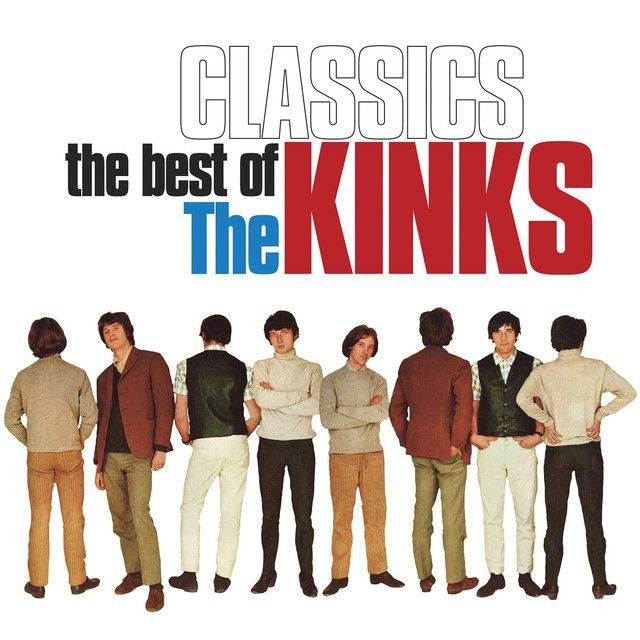
Sunny Afternoon by The Kinks
Why This Lazy Hit Feels So Sharp
The meaning of Sunny Afternoon The Kinks is deeper than its relaxed hook suggests. On the surface, the song sounds like a man taking it easy with a drink in the heat of summer. Underneath, it is a funny, bitter portrait of decline, self-pity, and class anxiety.
"Sunny Afternoon" - The Kinks
And left me in my stately home
Lazin' on a sunny afternoon
Loading lyrics...
Unable to load lyrics
We're unable to display the lyrics at this time. Please try again later.
Written by Ray Davies and released in 1966, the song became one of The Kinks' defining singles, reaching No. 1 in the UK according to the Official Charts. Its timing matters. Britain was dealing with tax debates, shifting class attitudes, and a fading old idea of luxury. Davies turned that tension into a character sketch that is both comic and revealing.

Watch the official Sunny Afternoon
music video
A Rich Man Complains, and That Is the Joke
At the center of the song is a narrator who says the tax man's taken all my dough
. That sounds dramatic, but the details make the complaint almost absurd. He still has a stately home
, dreams of a yacht, and talks as if comfort is his natural state.
That contrast is the key to the song. He acts like a victim, yet he still lives better than most people. The humor comes from hearing someone mourn lost luxury while continuing to lounge in the sun.
Interpretation: The song is not simply anti-tax. It is also making fun of entitled people who believe any limit on privilege is a personal disaster. Davies often wrote about English class life with irony, and this track fits that pattern.
The Story Moves From Money Trouble to Personal Collapse
The verses build a small but effective narrative. First, the narrator blames outside forces for his misery: taxes, pressure, and financial loss. Then the problems become more personal when his partner leaves and takes the car. He claims she is spreading stories of drunkenness and cruelty
, which hints that he may not be reliable.
That matters because the song never proves he is innocent. Instead, it lets listeners hear his side and notice the holes in it. He presents himself as trapped, but he also sounds lazy, spoiled, and unwilling to change.
A chorus built on escape
The repeated pleas for rescue make this clearer. He begs to be saved from this squeeze
, but he does not talk about fixing anything. He wants relief without responsibility.
Save me, save me, save me
from this squeeze
This brief refrain sums up the character. He feels cornered, yet his response is not action. It is retreat, complaint, and fantasy.
What the Sunny Afternoon Really Means
The title image is important because it works in two ways. Literally, it is the one pleasure he still has. He cannot control taxes or relationships, but he can still sit still, drink beer, and enjoy the weather. That gives the song its easy charm.
But the sunny afternoon is also a symbol of denial. Warm weather and a dreamy mood cover up the fact that his life is shrinking. He treats comfort like a shield against reality.
This is why the chorus and the melody feel slightly out of step with the lyrics. The song sounds pleasant while the story is full of complaint. That tension is what makes it memorable.
How the Music Turns Satire Into Atmosphere
Musically, the track helps sell both the humor and the melancholy. The performance is loose without sounding messy. Its gentle groove, music-hall flavor, and relaxed vocal phrasing create a lazy summer feel, but there is also a worn-out edge in the delivery.
The arrangement avoids big rock aggression. Instead, it leans on a dry, strolling rhythm and a singalong shape that makes the narrator's collapse sound almost cheerful. That is smart production. The band lets the listener settle into comfort while the words reveal discomfort.
The Kinks were moving into a more distinctly British songwriting style in this era, away from simple early hard-rock attack and toward sharper observation. Their band history often notes this shift, and "Sunny Afternoon" is one of the clearest examples. It sounds local, character-based, and rich in social detail.
Class, Image, and the End of Control
One reason the song lasts is that it captures a very specific type of panic: not poverty, but loss of status. The narrator is not afraid of hunger. He is afraid of falling from one social level to another.
That fear appears in objects and habits:
- the house suggests old status
- the yacht suggests luxury and display
- the beer and idleness suggest retreat
- the summer setting suggests suspended time
Together, these details paint someone clinging to image while life slips away. He wants to keep living pleasantly because pleasant living is part of who he thinks he is.
Interpretation: Some listeners hear the song as political satire about taxation in 1960s Britain. Others hear a broader human story about denial and self-pity. Both readings work because the lyric stays focused on character rather than argument.
Why the Song Still Connects
American listeners may not catch every British class reference at first, but the emotion is easy to understand. Many people know the feeling of pretending everything is fine while pressure builds. They also recognize the type of person who complains loudly but never looks inward.
That mix of humor and sadness gives the song staying power. It is catchy enough to enjoy casually, yet sharp enough to reward close listening. The narrator lounges through crisis, and that contradiction is the whole point.
In the end, the meaning of Sunny Afternoon The Kinks lies in that bright, uneasy balance. It is a song about decline dressed up as relaxation, and about self-inflicted blindness set to a beautiful summer sway.
Disclaimer: This article offers informed interpretation based on the lyrics, recording context, and documented history. As with many songs, meaning can remain open to more than one valid reading.








