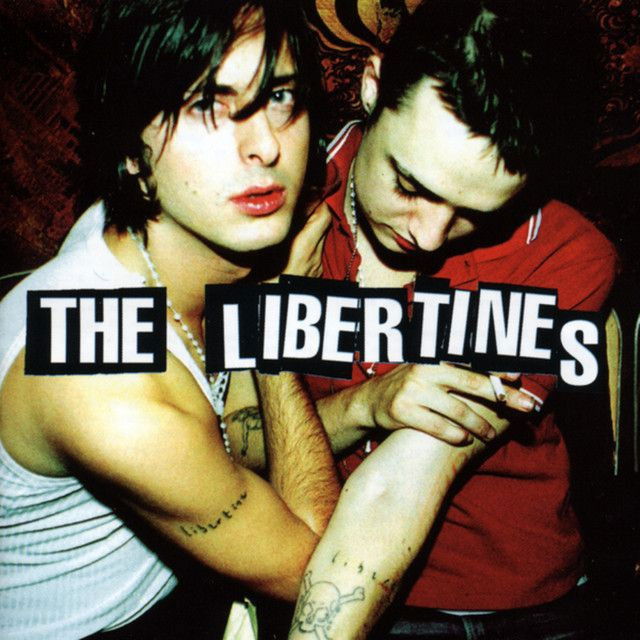
Why 'Can't Stand Me Now' Hits So Hard
The meaning of Can't Stand Me Now The Libertines starts with a simple idea: this is a song about two people who still care for each other, but can barely function together. On the surface, it sounds like a collapsing relationship. In context, it also feels like a public document of the bond and damage between Pete Doherty and Carl Barât, the band's central songwriting pair.
"Can't Stand Me Now" - The Libertines
You twist and tore our love apart
Your light fingers threw the dark
Loading lyrics...
Unable to load lyrics
We're unable to display the lyrics at this time. Please try again later.
Released in 2004 as a single from The Libertines, the track arrived when the band was already known for inner conflict, especially between Doherty and Barât. That history matters because the song does not hide the strain; it turns it into the hook. Even without hearing the backstory, listeners can feel two voices pulling against each other.
A breakup song, but not a simple one
At its core, the song describes love mixed with blame. The opening image of a relationship being torn apart sets the emotional tone right away. The writing is sharp and visual, using damage and darkness to show how trust has broken down.
One of the key lines points fingers over what caused the collapse. When the song mentions blamed it on the brown
, it suggests addiction, excuse-making, and the habit of shifting responsibility. That phrase has often been read as a reference to drug use, which fits the band's real-life tensions reported at the time by outlets like BBC News and NME.
Interpretation: the song is not only about anger. It is about the pain of seeing someone self-destruct and feeling powerless to stop it.

Watch the official Can't Stand Me Now
music video
Two voices, one wound
What makes this track so striking is the way the singers seem to argue inside the song. Instead of one clean narrator, they trade lines and overlap. That creates the feeling of a fight where both sides think they are right and both are hurt.
The chorus lands because it is brutally direct: you can't stand me now
. That phrase is not poetic in a fancy way. It is plain, almost conversational, which makes it sting more. It sounds like the moment when resentment becomes impossible to hide.
At the same time, the song undercuts total hatred. In another key moment, the speaker admits I'm still in love with you
. That confession changes everything. This is not a clean breakup anthem. It is about attachment surviving after trust has been smashed.
The verses show a cycle of damage
The song moves through a pattern that many broken relationships share:
- They remember the split as dramatic and painful.
- They argue over who caused it.
- They admit there is still love left.
- They question whether they can keep going.
That pattern gives the track its emotional realism. People in failing relationships often do not move in a straight line from love to hate. They bounce between accusation, longing, denial, and hope.
A later section asks whether they have enough to hold things together. That doubt is the center of the song. The question is not just whether they love each other. It is whether love is enough when trust, health, and timing are falling apart.
If you want to try
There's no worse you could do
Those lines sound almost reckless. They suggest that trying again may hurt, but giving up already feels terrible. The song captures that desperate logic perfectly.
How the music carries the meaning
The Libertines built their reputation on scrappy, emotional indie rock, and this song uses that style to great effect. The guitars have a ragged charge rather than polished shine. The drumming pushes the song forward with nervous energy, and the melody feels big enough to be an anthem even while the words describe collapse.
That contrast matters. The bright, charging sound makes the conflict feel public and explosive, not private and quiet. It is the sound of people trying to sing through a wound before it closes.
The vocal performance is especially important. Doherty and Barât do not sound detached or carefully staged. They sound like they are living the argument in real time. Interpretation: that roughness is part of the meaning. A smoother performance might have made the song feel like theater. This one feels like evidence.
Artist context sharpens the song's impact
The Libertines' second album was made during a turbulent period for the band, and coverage from the era often focused on the fractured friendship between the two frontmen. The song was written by Carl Barât, Pete Doherty, and Mark Hammerton, and its release was quickly heard as reflecting that split. Reviews from publications such as The Guardian and Rolling Stone have long treated it as one of the band's defining documents.
That does not mean every line should be read as literal fact. Songs compress emotions, invent images, and dramatize conflict. But the band's history gives this one unusual weight. Listeners are not just hearing a fictional argument; they are hearing musicians turn a real fracture into art.
Why the song still resonates
Part of the lasting power of the meaning of Can't Stand Me Now The Libertines is that it speaks to more than one kind of relationship. It can fit friends, lovers, bandmates, or anyone trapped in a bond that is both nourishing and destructive.
Another reason it lasts is its honesty. The song does not pretend that love cancels out damage. It also does not pretend that damage erases love. Instead, it holds both truths at once. That emotional contradiction is why so many listeners return to it.
Final takeaway
In the end, the song is about closeness turning unbearable without becoming unimportant. Its genius lies in how it mixes accusation with affection, and melody with collapse. Interpretation: they are singing the end of a partnership, but they are also proving why it mattered so much in the first place.
Disclaimer: This article offers interpretation based on the lyrics, the recording, and publicly discussed band context. Song meaning can remain open to different readings.









