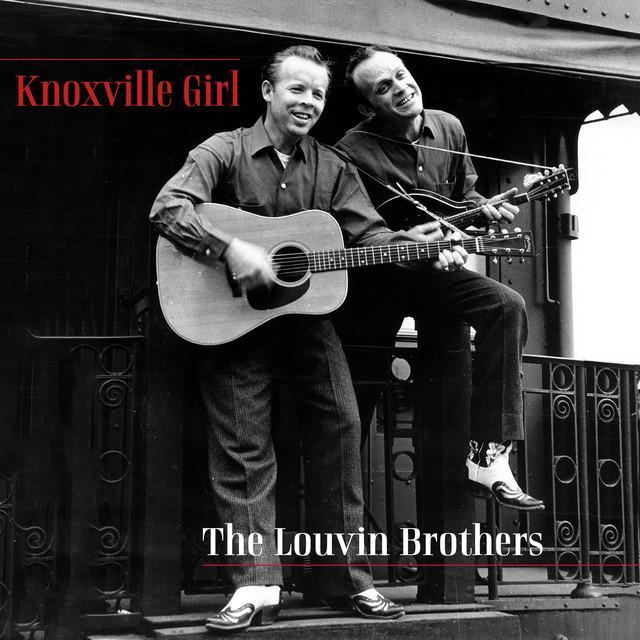
Knoxville Girl by The Louvin Brothers
The meaning of Knoxville Girl The Louvin Brothers is unsettling on purpose. This is not a love song gone wrong in a small way. It is a murder ballad that tells a brutal crime, then stays with the killer long enough to show fear, guilt, and punishment.
"Knoxville Girl" - The Louvin Brothers
And every Sunday evening, out in her home, I'd dwell
We went to take an evening walk about a mile from town
Loading lyrics...
Unable to load lyrics
We're unable to display the lyrics at this time. Please try again later.
The Louvin Brothers did not invent the story. As scholars and folk references note, “Knoxville Girl” is an Appalachian version of much older British and Irish ballads, especially “The Wexford Girl,” with roots that go back even further in the murder-ballad tradition (Wikipedia). That history matters, because the song works less like a private confession and more like an old warning tale passed down through generations.
What This Ballad Is Really Saying
At its core, the song is about how violence destroys both the victim and the person who commits it. Factually, the lyric follows a man who attacks a woman he says he loved, hides the crime badly, and ends up in jail. The story does not offer a noble excuse, romantic ending, or rescue.
Interpretation: The song’s deepest message may be that evil can speak in a calm voice. The narrator describes horrible acts with shocking plainness, and that flat tone makes the song more disturbing. When he calls her my bride
in the refrain’s logic, it shows possession twisted into violence, not love.
Watch the official Knoxville Girl
music video
The Story Moves Like a Confession
One reason the song remains so haunting is its direct timeline. It unfolds almost like a witness statement.
The key turns in the plot
- The narrator introduces a familiar courtship.
- During a walk, he attacks the woman without any real explanation.
- He returns home and lies about the blood.
- He spends the night in torment.
- He is jailed and admits what he did.
That structure gives the song a grim momentum. A phrase like bloody your clothes
captures the moment when the crime enters everyday life. The mother’s question is simple, but it shows that guilt cannot stay hidden for long.
Why the Refrain Feels So Cold
The hook is one of the most famous parts of the song, and also one of the cruelest. The repeated phrase go down
sounds musical and easy to remember, but its meaning is brutal. He is not mourning her in a healthy way. He is pushing her away in death and erasing any future they might have had.
Interpretation: That refrain may show emotional deadness more than heartbreak. Instead of real grief, the narrator turns the victim into an object inside a repeated line. The song becomes scarier because the chorus is catchy while the story is monstrous.
Go down, go down
you can never be my bride
Even in this brief passage, the contrast is the point. The melody invites singing along, while the words reveal a mind warped by control and denial.
Guilt, Hellfire, and the Failed Lie
After the killing, the song shifts from action to consequence. The narrator makes it back home, tries to explain the blood, and then cannot rest. A short phrase like flames of hell
brings in spiritual terror. Whether listeners take that literally or not, the image tells them his mind is breaking under what he has done.
This is where the meaning of Knoxville Girl The Louvin Brothers becomes bigger than plot. The second half says crime does not end at the riverbank. It follows him into the bedroom, into his family home, and finally into jail.
A cautionary song, not a celebration
Old murder ballads often describe violence in blunt detail, but that does not mean they praise it. Here, the ending matters. His friends cannot bail him out, and he says he will waste his life away in a cell. The song closes with punishment and loss, not triumph.
How the Louvin Brothers’ Sound Shapes the Meaning
The Louvin Brothers were known for close harmony singing and major influence on country, gospel, and later roots music (Encyclopaedia Britannica, Country Music Hall of Fame). That clean, brotherly harmony is crucial here.
Instead of using loud drama, they sing the ballad with control. The arrangement feels traditional and spare, which lets the story hit harder. Their polished country style creates an eerie contrast: beautiful sound carrying ugly content.
Interpretation: That contrast may be why the version lasts in memory. If the performance were wild or theatrical, the song could feel distant. Because it sounds composed, the horror feels closer and more believable.
The Older Folk Tradition Behind It
“Knoxville Girl” belongs to a line of songs that traveled from the British Isles into Appalachia, changing names and details along the way (Wikipedia). In that sense, the song is part of folk history as much as country music history.
That background helps explain why the lyrics do not stop to analyze motives in a modern way. Traditional ballads often move fast, focus on action, and leave moral judgment to the listener. The result is stark and unforgettable.
Final Take on Its Meaning
The meaning of Knoxville Girl The Louvin Brothers is not hidden: it is a grim story of murder, guilt, and punishment told in the plain style of an old ballad. What makes it powerful is the clash between sweet harmony and ugly behavior.
Their version endures because it turns an ancient folk crime story into something emotionally immediate. It shows how traditional songs can be simple on the surface and still deeply disturbing underneath.
Disclaimer: This interpretation separates documented history from critical reading. As with many traditional songs, some meaning comes from informed interpretation rather than confirmed artist intent.








