Why The Marcels Made "Blue Moon" Feel New
The meaning of Blue Moon The Marcels starts with a simple emotional turn: someone moves from deep loneliness to sudden love. That idea was already built into the Rodgers and Hart song, but The Marcels changed how it felt. Their 1961 version keeps the heart of the lyric, yet the wild doo-wop opening and playful group vocals make the moment of romantic luck sound electric instead of merely dreamy.
"Blue Moon" - The Marcels
(Ba-bom-a-bom-bom)
(Ba-bom-a-bom-bom)
Loading lyrics...
Unable to load lyrics
We're unable to display the lyrics at this time. Please try again later.
This is why their recording still stands out. It is not just a love song. It is a song about surprise, hope, and the strange feeling that life can change in one instant.
A Lonely Scene Turns Into a Miracle
At the start, the singer is isolated and emotionally empty. The famous image of standing alone under the night sky frames a person who feels cut off from love and purpose. The lyric phrase standing alone
captures that mood in a few words.
Then the song points to what is missing: not only romance, but direction. When the singer says without a dream in my heart
, the loss sounds bigger than a breakup. They seem to mean that love gives life shape, and without it, even the future feels blank.
That is the song's central movement. The moon becomes a witness to private sadness, then a symbol of unlikely good fortune.

Watch the official Blue Moon
music video
The Heart of the Story in Three Beats
The narrative is very short, which is part of its charm. It unfolds almost like a fairy tale:
- The singer is alone and aching.
- They quietly wish for someone to love.
- That person suddenly appears, and the whole emotional world changes.
The key word is sudden. The song does not describe a long courtship or struggle. It presents love as a gift arriving out of nowhere. That is why the title matters so much. A blue moon means something rare, and the romance here feels just as rare.
Why the Moon Matters So Much
In popular song, the moon often stands for longing, nighttime thinking, or romance. Here it does all three. The singer seems to address the moon almost like a companion or silent listener. When they mention saying a prayer for
someone to care for, the moon becomes part of that private wish.
Interpretation: the moon is less a literal force than a symbol of timing and fate. It represents the moment when impossible luck becomes possible.
The image that the moon has turned to gold
pushes that meaning further. Blue suggests sadness and solitude; gold suggests warmth, value, and fulfillment. In one visual change, the song turns sorrow into joy.
The Chorus Sells the Feeling
The repeated title phrase works like a spell. Every return to Blue Moon
reminds listeners that the singer is caught in a rare emotional event. Repetition is important here because it mirrors astonishment. They can barely believe what has happened, so they keep circling back to the same image.
The chorus also frames the whole song as memory. Even when the story becomes happy, there is still a trace of the earlier loneliness. That contrast makes the joy feel earned, even in such a brief lyric.
You saw me standing alone
Without a love of my own
Those lines sum up the starting point: a person seen in their emptiest moment before love changes everything.
How The Marcels Changed the Song's Meaning
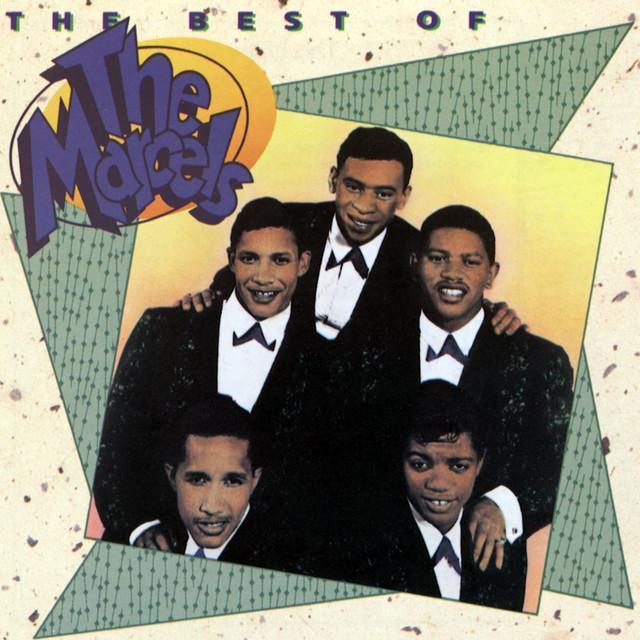
This is where context matters. The Marcels were a Pittsburgh vocal group whose version of the song became a No. 1 hit in 1961. Their recording is famous for the exaggerated bass-led intro and nonsense syllables, which gave an older standard a modern doo-wop kick.
That sound matters to interpretation. On paper, "Blue Moon" can read like a tender torch song. In The Marcels' hands, it becomes brighter, more youthful, and more public. The group vocals make private longing feel communal, almost celebratory.
Sound, Style, and Emotional Lift
The record opens with rhythmic vocal bursts instead of quiet moonlit mood. That choice creates a jolt. Listeners are thrown into energy before they even hear the love story. The effect is almost dramatic: loneliness is still there in the lyric, but the performance suggests life and movement around it.
Their harmony style also softens the sadness. The lead carries the romantic plot, while the backing voices add bounce and humor. This makes the song feel less tragic and more enchanted. The meaning of Blue Moon The Marcels is therefore not just about loneliness ending. It is about loneliness being transformed by joy, youth culture, and vocal play.
Reception and Cultural Staying Power
The song's success came partly from contrast. Early 1960s pop was full of vocal groups, but The Marcels stood out by merging an older American standard with contemporary doo-wop energy. According to the song's history at Song Hall, "Blue Moon" had already lived many lives before this hit version. The Marcels did not rewrite its message; they refreshed its emotional packaging.
That helps explain its staying power in the United States. Older listeners could hear the familiar melody and lyric, while younger listeners got a catchy, upbeat performance. Both groups could connect to the same core fantasy: love arriving at exactly the right time.
One Clear Meaning, With Room for More
The clearest reading is straightforward: the song is about a lonely person whose wish for love is finally answered. Interpretation: there is also a deeper idea about being seen. The moon "sees" the singer at their lowest point, and then the right person appears. In that sense, the song is about recognition as much as romance.
That emotional simplicity is its strength. It says that despair can feel endless, but a single encounter can remake the world.
Final Take Under the Moonlight
The meaning of Blue Moon The Marcels endures because the song pairs a timeless romantic idea with an unforgettable performance. Its lyric moves from emptiness to wonder, while The Marcels' arrangement turns that shift into pure pop excitement.
Their version sounds like luck breaking through the dark. And that may be why it still feels so good to hear.
Disclaimer: This interpretation blends widely accepted song history with critical reading of the lyrics and performance. Meanings can vary from listener to listener.







