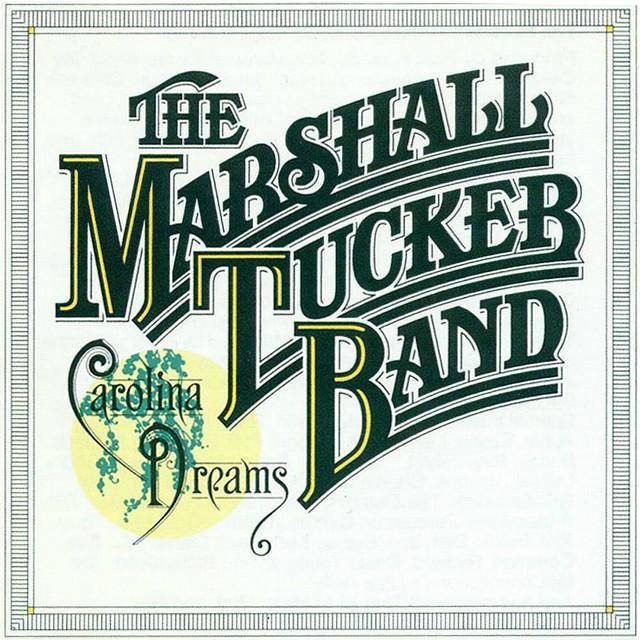
Heard It in a Love Song by The Marshall Tucker Band
A love song that doubts love-song promises
The meaning of Heard It in a Love Song The Marshall Tucker Band starts with a contradiction. This is a song about love, but it does not trust the usual happy ending. Instead of promising forever, the narrator admits he is built to leave.
"Heard It in a Love Song" - The Marshall Tucker Band
We've been together so long now they both need re-soled
If I ever settle down you'd be my kind
Loading lyrics...
Unable to load lyrics
We're unable to display the lyrics at this time. Please try again later.
Released in March 1977 on Carolina Dreams, the song became the band’s biggest pop hit, reaching No. 14 on the Billboard Hot 100, according to Songfacts and Wikipedia. That success makes sense: its chorus is warm and catchy, but the story underneath is uneasy.
At its core, the song is about a man who cares for someone yet knows he cannot stay. He reaches for romantic language to explain himself, but the explanation sounds shaky on purpose. The title phrase suggests he learned his idea of love from pop mythology, not from emotional maturity.
Watch the official Heard It in a Love Song
music video
The narrator is honest, but not heroic
What makes the song interesting is that the speaker does not pretend to be a great lover. He admits he has never stayed with a woman long enough for his boots to get old
. That image says a lot in very few words. His life is mobile, rough, and always in motion.
Then the song adds a twist. He has stayed with this woman longer than usual, long enough that those same boots need repair. In plain terms, this relationship matters more than the others. Even so, he still cannot commit.
That tension drives the whole song. He can see that she might be the right person. He even hints that, under different circumstances, she would be my kind
. But instead of settling down, he decides it is a good time
to leave.
Interpretation: the song is not celebrating freedom without cost. It shows someone trapped by his own habits. He values motion so much that he mistakes it for identity.
Why the chorus sounds simple and cuts deep
The chorus is one of the smartest parts of the song. When he says he heard it in a love song
, he is using borrowed wisdom. He acts as if a familiar romantic slogan proves he is right.
That phrase can be heard in two ways:
- He is genuinely comforting himself with something he has heard before.
- He knows it is flimsy, and the line is quietly self-mocking.
Either way, the repeated claim that it can't be wrong
feels less like truth and more like reassurance. People usually repeat themselves when they are trying to believe something.
Heard it in a love song
Can't be wrong
In context, that hook is not proof. It is a defense. The narrator leans on the fantasy of what love songs say because real life is harder. Real commitment asks for steadiness, and steadiness is exactly what he lacks.
Verse by verse, the story keeps moving
The first verse introduces the pattern: he is a drifter who has finally met someone important. The second verse explains his mindset more directly. He is the kind of man who likes escape and starts thinking about tomorrow before today is finished.
That line matters because it shows how he lives emotionally. He does not stay present. He looks over the horizon, always expecting the next place to solve his restlessness.
The song also admits what he cannot say. He never tells her he loves her, even though he feels it. This detail gives the track its ache. The problem is not that he feels nothing. The problem is that feeling does not beat instinct.
By the final verse, he is preparing to leave at dawn. He wishes she could come, but he also rejects the idea of her taggin' along
. That phrasing is revealing. Even companionship starts to sound like a burden to him.
The big themes: freedom, fear, and self-made myths
Several themes run through the song:
- Restlessness: He is pulled toward the road even when love is real.
- Fear of commitment: He avoids saying the words that would make the relationship fully real.
- Romantic self-justification: He borrows love-song logic to excuse behavior.
- Identity as destiny: He thinks being a wanderer is simply what he was born to be.
The image of something greener
on the far side of the hill is especially important. It captures the fantasy that somewhere else always holds a better life. The song suggests this belief is seductive but destructive.
Interpretation: they can hear the narrator as someone who turns personality into fate. By saying he was born this way, he avoids the harder truth that staying would require choice, sacrifice, and change.
How the music softens the blow
One reason the song lasts is that its sound is more inviting than its message. The Marshall Tucker Band blend Southern rock, country rock, and pop rock with unusual grace. The recording opens with flute, then folds in guitars, piano, and a relaxed groove. Wikipedia lists Jerry Eubanks on flute and guest musician Paul Hornsby on piano and Hammond organ, while Cash Box praised the vocals and instrumental work.
That arrangement matters to the meaning. The music feels open-road easy, almost comforting. It wraps a sad decision inside a pleasant breeze. Listeners can sing along before they fully notice the emotional damage in the story.
Doug Gray’s vocal also helps. He does not oversell the pain. His calm delivery makes the narrator sound matter-of-fact, which is sadder than dramatic heartbreak would be. He has made this choice before, and that history hangs over the song.
Toy Caldwell’s writing and the song’s lasting pull
The song was written by Toy Caldwell, a key architect of the band’s style. Songfacts notes that he often wrote convincingly from character perspectives. That helps explain the lyric’s strength: it feels personal, but it also works as a sharply observed portrait.
The song has endured because many listeners recognize the type. This is not just a breakup song. It is a song about someone who cannot stop outrunning intimacy. It understands that some people leave not because love is absent, but because stability frightens them more than loneliness does.
Final takeaway
The meaning of Heard It in a Love Song The Marshall Tucker Band is less romantic than the title first suggests. It tells the story of a man who loves, hesitates, and leaves, then uses the language of love songs to make that exit sound noble.
That is why the track still hits. Its melody feels easy, but its truth is hard: sometimes people know what is good for them and still keep walking. Interpretation disclaimer: song meaning can vary by listener, and this reading separates documented facts from informed interpretation.







