Why 'Beechwood 4-5789' Still Charms
The meaning of Beechwood 4-5789 The Marvelettes starts with a simple scene: a young woman meets someone, likes him right away, and makes the bold move of giving him her phone number. That may sound small now, but in 1962 it felt lively, direct, and modern. Instead of waiting to be chosen, the singer steps forward.
"Beechwood 4-5789" - The Marvelettes
Hey-ah-ay-ay
(La, La. La, La, La, La, La)
Loading lyrics...
Unable to load lyrics
We're unable to display the lyrics at this time. Please try again later.
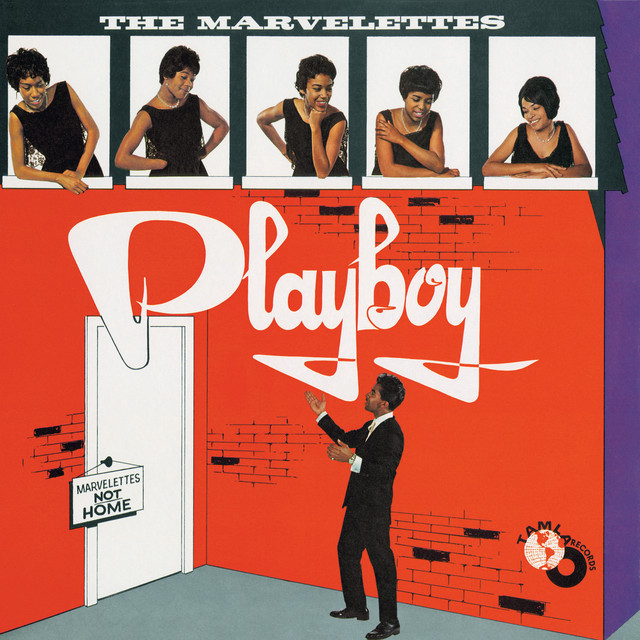
Released on July 11, 1962, as a single from the Marvelettes' Playboy album, the song was written by Marvin Gaye, George Gordy, and William "Mickey" Stevenson, with Stevenson producing. It reached No. 17 on the Billboard Hot 100 and No. 7 on the R&B chart, according to Wikipedia. Those facts help explain why it remains an early Motown favorite.
A Phone Number as a Love Invitation
At its core, the song is about romantic initiative. The singer is not hiding her interest. She invites the boy to dance, hopes he will call, and makes it easy for him to take the next step. When she shares Beechwood 4-5789
, the number becomes more than a gimmick. It becomes a symbol of openness.
That matters because the whole lyric moves with friendly confidence. She says don't be shy
and just take your time
, which softens the invitation. She is eager, but not pushy. The message is: they can move toward romance, but at a sweet and comfortable pace.
What the Story Shows in Real Time
The song unfolds like a tiny teenage movie. In a little over two minutes, it sketches a full emotional arc:
- They meet in a social setting, likely a dance.
- She signals interest and invites closeness.
- She waits for him to respond.
- She gives him her number so the moment can continue later.
That structure gives the record its charm. It starts in public, with dancing and flirtation, then shifts toward the private world of a phone call and a future date. Even the phrase have this dance with me
works like a bridge between those two worlds.
And my number is Beechwood 4-5789
You can call me up
Those lines are the emotional turning point. Before that, the song is about attraction in the moment. After that, it becomes about possibility. Interpretation: the number is not just contact information; it is a small act of trust.
Why the Hook Feels So Memorable
The title phrase sticks because it sounds specific, musical, and a little mysterious to modern ears. In the early 1960s, phone numbers often used exchange names, so “Beechwood” would translate to the first two dialed letters and numbers. That gives the hook a real-life texture that listeners then would instantly recognize.
But the hook also works emotionally. A phone number is ordinary, yet here it becomes romantic. The singer is basically saying: here is a direct line into her life. That is why the chorus lands with such warmth. It turns everyday technology into a promise of connection.
The Marvelettes' Voice Makes the Meaning Clear
Gladys Horton sings lead with a tone that is bright, eager, and grounded. She does not sound dreamy or distant. She sounds present, like someone speaking from the middle of the room. That helps the song feel less like fantasy and more like an actual conversation.
The background vocals deepen that effect. Their responses create a social atmosphere, almost like friends cheering the flirtation along. This call-and-response style also mirrors the song's theme. One person reaches out, and another answers. The arrangement itself acts out connection.
How Early Motown Sound Carries the Message
Part of the meaning of Beechwood 4-5789 The Marvelettes lives in its sound. The record has the bounce of early Motown: a danceable beat, piano sparkle, sax color, and a rhythm section that keeps everything moving forward. Wikipedia also notes that Marvin Gaye played drums on the track, while the Funk Brothers supplied the instrumental backbone.
That upbeat groove matters. A sadder arrangement would have made the lyric feel lonely or desperate. Instead, the music makes waiting for a call feel exciting. The bass and drums push ahead as if the singer already believes something good is about to happen.
Interpretation: the production turns uncertainty into optimism. Even though she is waiting, the song never feels stuck. It feels alive.
A Small but Bold Portrait of Young Love
One reason the song lasts is that it captures a timeless feeling with very few words. Many love songs are about heartbreak, jealousy, or devotion after a long relationship. This one is about the fragile moment before any of that. It lives in the instant when attraction could become something real.
The lyric I've been waiting
adds a little tension, while make you mine
shows clear desire. Yet the mood stays innocent and playful. The singer is honest about what she wants, but the song keeps the stakes light: a dance, a call, a date.
That balance is classic Motown. The writing is concise, the feeling is universal, and the performance makes everyday teenage experience feel special.
Why the Song Still Connects Today
Modern listeners may not use exchange-name phone numbers, but they still understand the emotional move behind the song. Giving someone a number is still a signal of hope. It says they want the moment to continue.
That is the lasting appeal of "Beechwood 4-5789." It turns a basic act into a miniature anthem of courage. The singer risks a little embarrassment in order to make connection possible. In that sense, the song is not just cute nostalgia. It is a reminder that romance often begins when somebody decides to be clear.
Final Take on Its Lasting Meaning
The meaning of Beechwood 4-5789 The Marvelettes is simple in the best way: it celebrates flirtation, initiative, and the thrill of opening a door to love. Through its phone-number hook, lively Motown arrangement, and Gladys Horton's inviting lead, the song makes young desire sound confident and sweet.
That reading is an interpretation based on the lyrics, performance, and historical context. Like all song meaning discussions, it is one thoughtful way to hear the record, not the only one.







