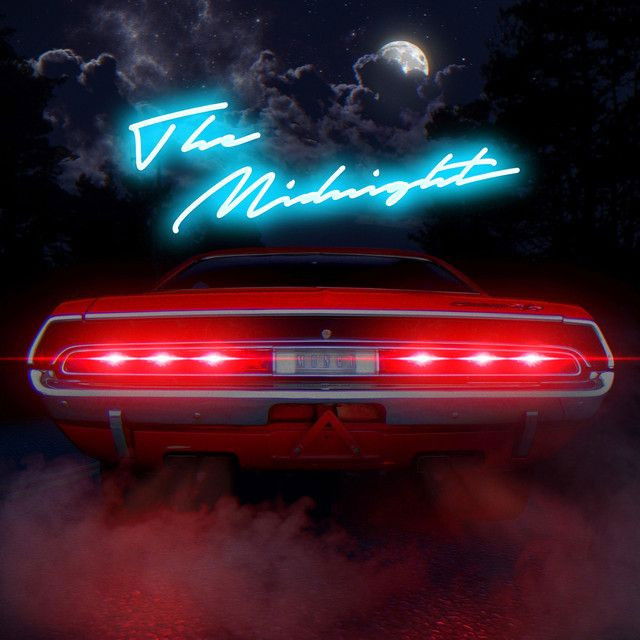
Why 'Days of Thunder' Still Hits So Hard
The meaning of Days of Thunder The Midnight starts with a contradiction: the song sounds huge, bright, and cinematic, yet its lyrics describe disappointment, memory loss, and emotional fallout. That tension is the key to why it lingers.
"Days of Thunder" - The Midnight
Is a smoking gun
Is a 4 letter word
Loading lyrics...
Unable to load lyrics
We're unable to display the lyrics at this time. Please try again later.
The Midnight, the synthwave duo of Tyler Lyle and Tim McEwan, built their reputation on songs that turn nostalgia into a living atmosphere. On their Days of Thunder EP, this title track stands out because it treats the past as both paradise and trap. They are not just remembering better days. They are mourning the version of themselves that could still believe in them.
The Heart of the Song Is Lost Wonder
At its core, this song is about a person looking back on love after innocence has burned away. The verses set up a before-and-after contrast. Earlier love felt open, warm, and full of possibility. In the present, that same love feels damaged, commercialized, and haunted.
The sharp opening images make that point fast. Love is compared to danger, injury, and collapse. Phrases like setting sun
and smoking gun
suggest something beautiful that is already ending, and something harmful that leaves evidence behind. The song is not describing a healthy romance in real time. It is describing the wreckage left after idealism fades.
Interpretation: The lyrics suggest that the biggest loss is not only the relationship. It is the loss of wonder itself. The chorus says that when someone can no longer remember who they were in the days of thunder
, they also lose access to a more vivid emotional life.
How the Verses Build That Fall
The first verse treats love as both thrilling and destructive. It is not one simple emotion. It is danger mixed with desire. That mix matters because the song never says the past was pure. Instead, it suggests that the past felt powerful enough to make pain seem worth it.
The second verse shifts the lens. Love once felt like comfort, escape, and generosity. Then it becomes something cruel and transactional. The image of a memory reduced to a picture, hinted at by photograph
, shows how living feeling can harden into an object. What was once immediate is now only evidence.
That is one of the smartest parts of the writing. The song does not just say, "things changed." It shows emotional decay through changing metaphors: dream to nightmare, shelter to threat, open hand to closed fate.
The Chorus Turns a Street Into a Graveyard
The chorus is where the song's emotional meaning opens up. A city street becomes haunted space, filled with remnants of old desire. The line about the boulevard full of lonely hearts paints an urban landscape where romance has already failed many times.
ghost of the boulevard
city like a graveyard
This is the article's one brief multi-line quote, and it captures the song's central image: public places still hold private memories. The city used to feel alive, almost like a postcard from youth. Now it feels deadened by repetition and regret.
Interpretation: The city may be literal, but it also works as an inner landscape. The boulevard is memory itself. It is crowded with past selves, failed hopes, and snapshots of a time when everything seemed larger.
Why “Days of Thunder” Means More Than Nostalgia
The title phrase sounds glamorous and rebellious, almost like a movie. That is important. The song understands how people mythologize youth. They turn old summers, old romances, and old risks into legend.
But The Midnight do something more interesting than simple nostalgia. They ask what happens after that myth breaks. The chorus centers on the moment when someone loses wonder and cannot remember how fully they once lived. That makes the song less about one breakup and more about adulthood itself.
In that sense, the meaning of Days of Thunder The Midnight is about emotional aging. They are capturing the point when memory becomes more intense than the present, and when old feeling seems almost unreachable.
How the Sound Carries the Meaning
The production is a major part of the song's emotional effect. The Midnight are known for mixing 1980s-inspired synth textures with modern polish, a style noted by outlets like AllMusic. Here, the drums push forward with urgency while the synths spread out like headlights on wet pavement.
That sound matters because it creates motion even while the lyrics are stuck in reflection. The beat says drive forward. The words say look back. This split gives the song its ache.
There is also a scale mismatch that works beautifully. The emotional content is intimate, but the arrangement is enormous. Reverb, pulsing bass, and bright melodic lines make private heartbreak feel epic. They turn one person's fading wonder into a whole nighttime skyline.
Artist Context Helps Explain the Song
The Midnight often write about memory, youth, late-night streets, and the way pop culture shapes personal feeling. Even when their songs are not strictly autobiographical, they frame emotion through images that feel cinematic and American: boulevards, postcards, thunder, summer-night motion.
That context helps explain why this track connected so strongly with fans. It does not only tell a story. It recreates a sensation many listeners know: realizing that the world once felt bigger, louder, and more alive than it does now.
A Reasonable Final Reading
A grounded reading is that the song is about love after disillusionment. A broader reading is that it is about the death of youthful intensity itself. Both fit the lyrics, and both are strengthened by the glossy, aching production.
What makes the song powerful is that it never chooses between romance and time. It treats them as linked losses. To lose the person is also to lose the season of life when love felt limitless.
That is why the song still resonates. It lets listeners grieve not just what happened, but who they used to be.
Disclaimer: This interpretation is based on the lyrics, recording, and publicly available artist context. Like many songs, "Days of Thunder" can support more than one valid reading.








