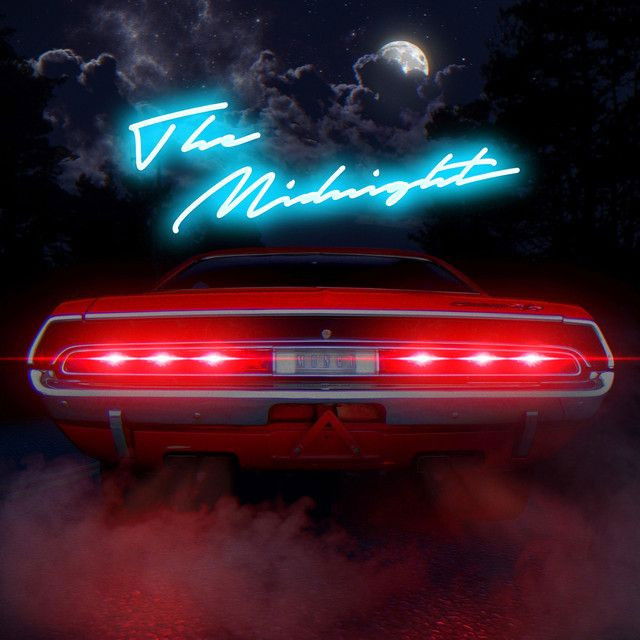
Why 'Gloria' by The Midnight Feels Like Relief
The meaning of Gloria The Midnight centers on a sudden emotional upswing after a long period of inner chaos. On the surface, the song sounds simple: the singer says they feel better today. But the verses make that relief feel hard-won. They describe exhaustion, overthinking, risk, and the strange push-pull between numbness and overstimulation.
"Gloria" - The Midnight
I feel so much better
I feel so much better today
Loading lyrics...
Unable to load lyrics
We're unable to display the lyrics at this time. Please try again later.
That tension is what gives “Gloria” its force. The song is not just about happiness. It is about emerging from mental fog and trying to trust that better feeling when it finally arrives.
The Core Meaning Hiding Inside the Hook
At the center of the track is a repeated claim of recovery. The narrator insists they feel better, and they go out of their way to deny easy explanations like not the drugs
or the weather. That matters because it frames the chorus as something deeper than a passing high.
Interpretation: “Gloria” sounds like a song about clarity. The narrator has been stuck in a cycle of burnout and restless thinking, and now they are trying to name a genuine shift in mood. Whether Gloria is a person, a symbol, or even a state of grace, the song treats that name like a turning point.
A Mind Split Between Numbness and Overload
The verses explain why the chorus lands so hard. The narrator admits to being asleep in the driver's seat
, which suggests passivity, detachment, and danger all at once. They are moving through life, but not fully present in it.
Soon after, they say they have been lost in my head
for weeks. That line points to rumination: too much thinking, no clear solution, and no rest. The next image, too tired to sleep
, captures a familiar modern contradiction. They are drained, but their mind will not shut off.
This is one of the song’s strongest ideas. It presents distress not as one simple mood, but as a swing between emptiness and intensity. The narrator can feel checked out in one moment and overstimulated in the next.
The Chorus as Proof, Not Celebration
The chorus does not sound like bragging. It sounds like someone trying to convince themselves that the change is real. Because the hook repeats so often, it takes on the rhythm of a mantra.
Oh, Gloria
I feel so much better
I feel so much better today
Those lines work because the verses have already shown how unstable the speaker has been. So when the chorus arrives, it feels less like a pop victory lap and more like an exhale.
Interpretation: Gloria may be the name of a person who brings grounding. It could also stand for redemption, release, or a spiritual lift. The song never fully explains it, and that ambiguity is part of its appeal.
Night Driving, Speed, and the Need to Escape
Like many songs by The Midnight, “Gloria” uses motion as emotional language. Cars, roads, lights, and speed are not just scene-setting details. They reflect a mind trying to outrun itself.
When the narrator describes lights ahead and the urge to drive faster, the song links freedom with danger. That fits the group’s broader style, which often mixes romance and neon with loneliness and longing. On their official site, the band presents a world built from nostalgia, nighttime imagery, and emotional intensity, and “Gloria” fits that world perfectly.
The line about people who build a fire and still cannot stay warm adds another layer. It suggests self-defeating behavior: chasing comfort in ways that never truly heal. The song seems to argue that survival is less dramatic. Sometimes the only way through is to accept what is in front of them instead of reaching for another rush.
How the Sound Strengthens the Meaning
The Midnight are known for blending synth-pop, retrowave, and heartland-style songwriting, heard across releases like Kids. In “Gloria,” that mix matters to the meaning.
The production by Tim McEwan gives the song a bright, propulsive surface. The beat pushes forward like a late-night drive, while the synths glow instead of crash. Under that smooth finish, Tyler Lyle’s vocal carries strain and release at the same time.
That contrast is key. The music feels wide and cinematic, but the words are close-up and personal. As a result, the listener hears both sides of the song at once: the thrill of movement and the vulnerability of someone trying to hold themselves together.
Two Strong Ways to Read “Gloria”
There is more than one reasonable reading of the meaning of Gloria The Midnight.
Gloria as a Person
In one reading, Gloria is a real person. They may be a partner, a friend, or someone whose presence cuts through the narrator’s spiral. The repeated name sounds intimate, and the emotional shift feels tied to contact with someone outside the self.
Gloria as Grace or Renewal
In another reading, Gloria is symbolic. The name echoes glory, light, and uplift. That makes the chorus feel almost spiritual, as if the narrator has reached a moment of mercy after weeks of confusion.
Neither reading cancels the other out. In fact, the song works because it allows both. A person can become the face of hope, and hope can feel almost sacred.
Why the Song Connects So Deeply
What makes “Gloria” resonate is its honesty about uneven healing. The narrator does not present recovery as neat or permanent. They simply recognize a better day and hold onto it.
That is why the song feels human. It understands that relief can be fragile, but still real. It also understands that saying “I feel better today” can be a huge statement when the days before it have been dark.
The Lasting Takeaway From “Gloria”
The meaning of Gloria The Midnight is less about solving every problem than about recognizing a breakthrough. Through images of sleeplessness, speeding, and mental overload, the song captures a person on the edge of collapse who suddenly feels a door open.
In that sense, “Gloria” is a song about trust: trusting a better moment, trusting connection, and trusting that relief does not have to be explained away to matter.
Disclaimer: This interpretation is based on the song’s lyrics, sound, and publicly available artist context. As with most songs, listeners may hear different meanings in it.







