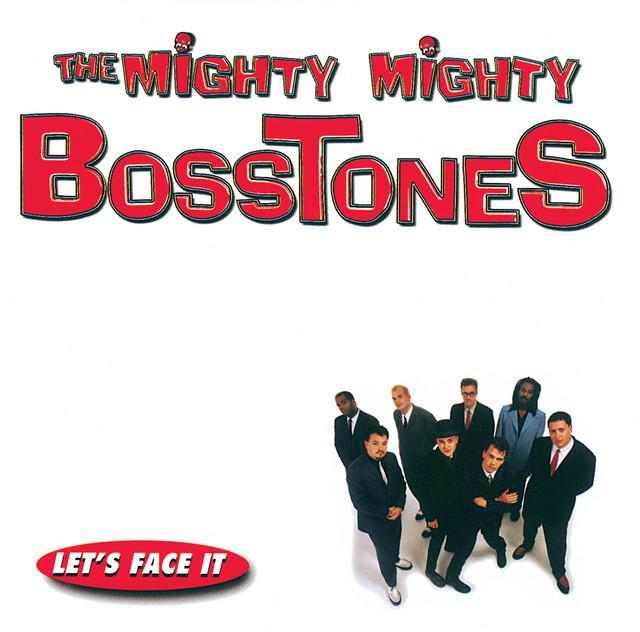
Why “Let’s Face It” Still Hits Hard
The meaning of Let's Face It The Mighty Mighty Bosstones starts with a simple idea: hate is learned, harmful, and never acceptable. The song does not hide behind metaphor for long. Instead, they speak plainly about racism, sexism, and intolerance, then turn that anger into a group demand for change.
"Let's Face It" - The Mighty Mighty Bosstones
That in this day and age
Somebody's race
Loading lyrics...
Unable to load lyrics
We're unable to display the lyrics at this time. Please try again later.
That directness is why the track still lands. They are not only describing a broken world. They are telling listeners that ignoring prejudice is part of the problem.
A Ska-Punk Protest With No Fog Around It
At its core, the song is about confronting everyday bigotry. The opening thought frames the issue as shocking and exhausting: in a modern society, something as basic as a person’s race or identity can still trigger violence or hatred. When they say it is so hard to face
, they are admitting both disbelief and frustration.
From there, the song widens its target. It is not focused on one incident. It attacks a whole mindset that punishes people for being different. The lyrics reject those attitudes in blunt terms, making the song feel less like a story and more like a public stand.
Interpretation: The song’s plain language is part of its purpose. They seem to believe prejudice should not be softened with poetic distance. It should be named clearly.
Watch the official Let's Face It
music video
The Voice of the Song: A Shared “We”
One of the most important choices in the lyrics is the collective voice. They keep returning to “we,” especially around the line we won't stand
. That phrase matters because it shifts the song from personal outrage to shared responsibility.
They are not singing as detached observers. They place themselves inside the struggle, asking what people were put here for and answering that hatred cannot be the purpose. The effect is almost like a rally chant: moral, public, and meant to unite.
Why That Collective Tone Matters
Using a group voice does two things:
- It makes prejudice sound like a social issue, not a private disagreement.
- It asks listeners to join the refusal, not just admire it.
That is a big part of the meaning of Let's Face It The Mighty Mighty Bosstones. The song insists that tolerance is active, not passive.
How the Verses Build the Argument
The song moves in a clear sequence.
First, it describes the fact of hate. Race, identity, and personal differences can provoke anger from strangers. That opening establishes the real-world damage.
Second, it asks a moral question: why are people here at all? The answer is not religious or abstract. It is ethical. They argue people were not put here to degrade others.
Third, they challenge rigid thinking. When they urge listeners to give tolerance a try
, it sounds simple on purpose. The song suggests the principle is basic, while the refusal to practice it is what makes society absurd.
Finally, the track becomes a call to action. The recurring title phrase says people must stop pretending prejudice is someone else’s problem.
let's try to erase it
it's time that we face it
Those lines work as the song’s mission statement. They move from recognition to action in one step.
What the Chorus Really Demands
The chorus is not just catchy; it sharpens the message. To face it
means more than admit that hate exists. It means refusing denial, excuses, and delay.
That distinction matters. Many protest songs describe injustice. This one also criticizes passivity. By saying the time is upon us
, they frame anti-bigotry as urgent, not optional.
Interpretation: The chorus can be heard as a challenge to both institutions and ordinary people. Anyone who sees prejudice and does nothing is included in the song’s pressure.
How the Sound Carries the Message
The Mighty Mighty Bosstones built their reputation on mixing ska rhythms, punk force, and brass-heavy hooks, a style often called ska-core in coverage of the band’s career. That blend matters here because the music turns a serious message into something physically energizing rather than mournful.
Fast drums and choppy guitar create forward motion. The horns do not soften the song; they make it sound bigger and more public, almost like the message is being blasted into the street. Dicky Barrett’s rough vocal delivery adds grit, which keeps the track from sounding polished or distant.
That balance is crucial. A song about prejudice could become preachy or heavy-handed. Instead, the arrangement makes resistance feel communal and active. The groove invites movement, while the lyrics insist on moral clarity.
Artist Context and Why It Fits the Band
This song fits the Bosstones’ identity well. They came from Boston’s punk and hardcore-adjacent scene while embracing ska’s bounce, and their work often carried an everyman directness. Here, that directness becomes political in the clearest way.
The credited writers are Dicky Barrett and Nate Albert, and their writing leans into slogans and sharp statements rather than dense imagery. That approach suits the subject. A song condemning hate does not need mystery to be effective.
Why the Song Still Feels Current
Sadly, the song remains relevant because the issues it names never fully disappeared. Its critique of binary thinking, fear of difference, and social indifference still speaks to modern public life.
What keeps it from feeling hopeless is its refusal to stop at diagnosis. The song argues that people can choose another way. In that sense, it is both protest and pep talk.
Final Take on Its Message
The meaning of Let's Face It The Mighty Mighty Bosstones is a demand for honesty, tolerance, and action against prejudice. They use blunt lyrics, a collective voice, and high-energy ska-punk to say that hate should be challenged out loud, not quietly tolerated.
That is the song’s power: it treats decency not as a vague ideal, but as a duty.
Disclaimer: This interpretation is based on the song’s lyrics, performance, and public context, and other listeners may hear different shades of meaning.








