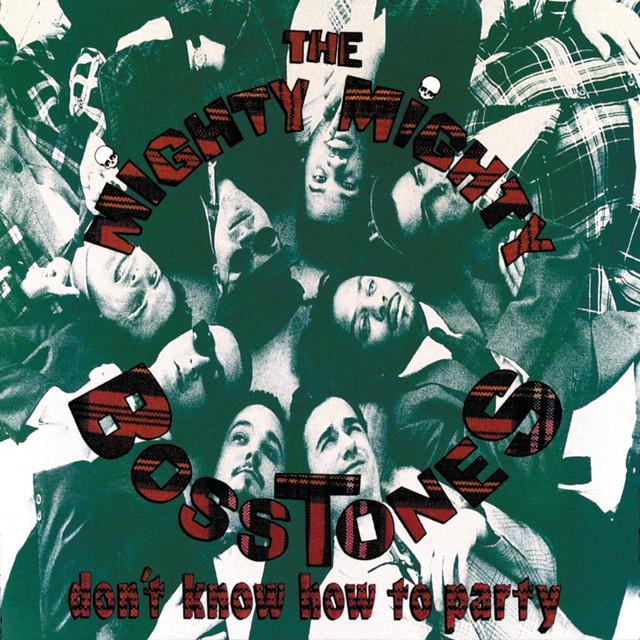
Why 'Someday I Suppose' Still Hits Hard
The meaning of Someday I Suppose The Mighty Mighty Bosstones comes down to a simple but sharp idea: people often delay the truths they know they should face. In this song, they build that feeling out of half-memory, unfinished promises, and a chorus that sounds hopeful even as it admits doubt.
"Someday I Suppose" - The Mighty Mighty Bosstones
And the name of the place escapes me
When I can't remember
Loading lyrics...
Unable to load lyrics
We're unable to display the lyrics at this time. Please try again later.
Released by Boston ska-punk band The Mighty Mighty Bosstones, the track blends humor with frustration. That mix matters. They do not present confusion as a grand tragedy. Instead, they make it sound ordinary, messy, and very human.
A Story About Delay, Not Just Forgetting
From the opening, the narrator cannot fully pin down a place or a person. They admit that the name of the place "escapes me," and they even wonder whether that missing detail is real forgetting or quiet avoidance. That tension drives the whole song.
This is why the track feels bigger than a literal story. On the surface, they describe a forgotten place, a girl from the past, and a plan to get back to unfinished business. But underneath, the song is about what happens when someone keeps pushing closure into the future.
Interpretation: the narrator may not be confused by accident. They may be protecting themself by refusing to organize the past too clearly.

Watch the official Someday I Suppose
music video
The Chorus Turns Hope Into a Question
The hook is catchy because it balances optimism and hesitation in one phrase: Someday, someday I suppose
. That last word changes everything. “Someday” alone would sound determined. “I suppose” weakens the promise.
That is the emotional trick of the song. The narrator still wants to believe they will fix things, return, explain, and maybe even heal old mistakes. But they do not sound fully convinced.
A brief lyric moment shows the shape of that doubt:
One day! One day who knows
Someday, someday I suppose
Those lines are not a declaration. They are almost a shrug set to a chant. The band turns uncertainty into something singable, which is a big reason the song sticks.
Memory, Love, and the Unfinished Plot
The verses keep circling the same problem: the narrator wants a neat story, but life will not stay neat. They even say, try to find the plot
, which gives the song a self-aware, almost playful tone. It is like they know their own story is slipping away as they tell it.
The lost relationship adds emotional weight. When they mention a girl they once loved and the promise to return, the song shifts from abstract confusion to personal regret. Yet even here, the details stay blurry. That matters.
Instead of offering a clear breakup narrative, the band shows how memory works when guilt and longing are mixed together. People remember the feeling first and the facts second.
When Sorting Things Out Makes Them Worse
One of the song’s smartest ideas appears in the repeated claim that the more I sort it out
, the more it gets distorted. That line captures a familiar problem: overthinking can move a person farther from clarity.
The narrator wants to straighten out the past, but every attempt seems to bend it more. They also admit they may be better off just leaving it unsorted
. That does not sound healthy, but it does sound honest.
Interpretation: the song may be describing anxiety before people widely used that language in pop-punk and ska scenes. The narrator keeps trying to control the story, only to make it feel more unstable.
Why the Sound Matters So Much
The Bosstones were central to the American ska-core wave, known for fusing punk speed with brass-heavy arrangements, a style well documented by sources like Britannica and AllMusic. That sound is essential to the song’s meaning.
If these lyrics were performed as a slow ballad, they might feel defeated. Instead, the brisk rhythm, punchy horns, and Dicky Barrett’s rough vocal attack give the track momentum. The music sounds like someone charging ahead even while their thoughts are tangled.
That contrast is the point. The arrangement says “keep moving,” while the lyrics admit emotional delay. In other words, the band turns inner confusion into a communal shout-along.
Artist Context Helps Explain the Tone
The Bosstones built their identity around mixing intensity with wit, especially during the 1990s alternative boom, when ska-punk reached a larger U.S. audience. Songs like this helped define their appeal: emotionally real, but never too self-serious.
That helps explain why lines about forgetting and postponing never feel melodramatic. The band presents uncertainty with a grin, not because it is trivial, but because humor is one way people survive embarrassment and regret.
Two Strong Readings of the Song
There are at least two useful ways to hear it:
- A song about procrastination and personal drift. The narrator keeps postponing change, trusting that they will arrive somewhere meaningful
who knows
when. - A song about lost love and self-protection. The missing names and vague details may hide pain that feels safer when left blurry.
Both readings fit because the song lives in the space between sincerity and dodge.
Why It Still Connects
The meaning of Someday I Suppose The Mighty Mighty Bosstones still resonates because it names a common habit: promising to fix life later. They capture the way people delay apologies, avoid old memories, and still hope things will somehow work out.
That is why the song remains more than a fun ska-punk single. Beneath its bounce, it is about the gap between intention and action.
Disclaimer: This interpretation is based on the song’s lyrics, performance, and publicly available artist context. As with any song, meaning can vary from listener to listener.








