Why 'Can You Dig It?' Still Connects
The meaning of Can You Dig It? The Mock Turtles comes down to a simple but catchy tension: they want to be heard, but they also want space. Under its bright groove, the song feels like a small act of independence. It is upbeat on the surface, yet the words push back against pressure, misunderstanding, and emotional overreach.
"Can You Dig It?" - The Mock Turtles
I'll get it through somehow
You won't ever get me down
Loading lyrics...
Unable to load lyrics
We're unable to display the lyrics at this time. Please try again later.
Released as a 1991 single by the Manchester band and tied to their debut album Turtle Soup, the song became their breakthrough, reaching No. 18 in the UK and No. 19 on the U.S. Modern Rock chart, according to widely cited chart summaries and release histories. It was written by Martin Coogan and produced by Coogan with Pete Smith. Those facts matter because the song sounds carefully built to be direct, memorable, and radio-friendly.
The Hook Is Really a Challenge
At first listen, the chorus sounds like a party chant. But the repeated title phrase does more than invite a singalong. When they ask Can you understand me now
and return to Can you dig it
, the song frames understanding as the real issue.
In plain terms, the speaker seems to be saying: listen closely, because they are done being misread. The title works in two ways at once. In everyday slang, “dig it” can mean “get it” or “like it.” That gives the chorus a smart double edge. They are asking whether the other person understands them, but also whether they can accept the speaker’s terms.

Watch the official Can You Dig It?
music video
A Small Story About Boundaries
The verses sketch a conflict without giving every detail. That is one reason the song stays universal. Almost anyone can hear themselves in it.
What the lyrics suggest
A few lines point to a person pushing back after feeling cornered. The phrase You won't ever get me down
sounds like emotional self-defense. Then I'm standing on my own
makes the message even clearer: they have grown stronger and no longer depend on the other person’s approval.
Another important line is One little kiss
. The song treats that moment as something small, while the other person seems to want it to mean much more. The next idea, paraphrased, is that someone keeps demanding everything from something minor. That makes the song feel less like a love song and more like a refusal to let one gesture define a whole relationship.
Bright Sound, Firm Message
One reason the song lasts is the contrast between mood and message. Critics at the time often heard it as polished pop-rock with baggy and indie-dance touches. That makes sense. The guitars are jangly, the groove is bouncy, and the chorus lands with easy confidence.
The production also helps explain the song’s meaning. Reporting on the recording has noted that the hit version was a re-recording, and that programmed drum parts were shaped carefully to improve the track’s movement and punch. Even without hearing those technical details, listeners can feel the result: the song sounds tight, springy, and forward-moving.
That matters because the words are about not being dragged down. The beat does not mope. It keeps stepping ahead. In that sense, the arrangement supports the lyric’s emotional stance.
Where the Title Came From
There is a fun piece of context behind the song name. Martin Coogan has said the title came after seeing The Warriors, which famously uses the phrase. He then built a song around it. He also reportedly told NME that it was loosely based on a children’s TV theme in a playful way.
That history helps explain why the song feels half-knowing, half-spontaneous. The phrase already had pop-culture energy, so when The Mock Turtles used it, they turned it into a hook that felt both familiar and fresh.
Two Strong Ways to Read the Song
Interpretation 1: A breakup or near-breakup song. This is the clearest reading. The speaker seems to reject someone who is asking for too much commitment, too much emotion, or too much control. They are not crushed; they are drawing a line.
Interpretation 2: A broader statement of self-confidence. The song can also sound like a young band or young person announcing their arrival. The line about growing strong and standing alone supports that. In this reading, the title becomes a challenge to the world: do they understand what the speaker is bringing?
Both readings fit because the song leaves space. Its language is simple, but that simplicity is part of its power.
Why It Became the Band’s Big Hit
The Mock Turtles knew they had something accessible here. Coogan later described the song’s pop quality in practical terms, even calling its success a kind of strategic move to open doors. That self-awareness matches the music itself. The song is catchy enough for radio, but it still carries attitude.
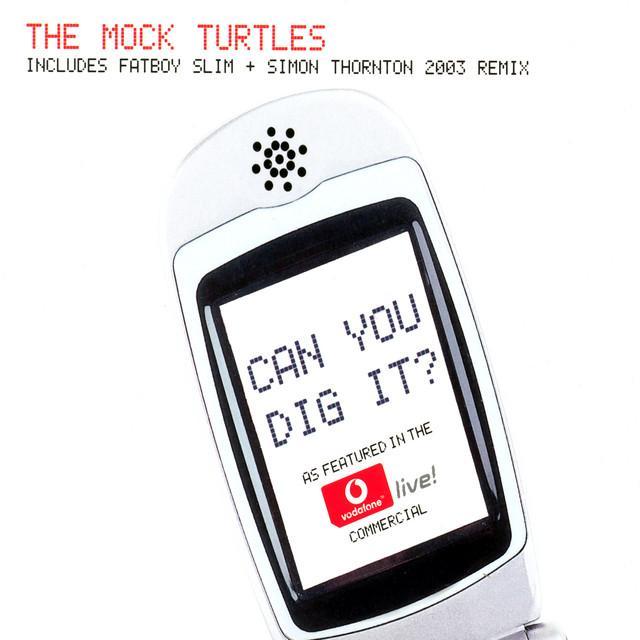
Its afterlife proves that too. The track returned to wider attention in the early 2000s after use in Vodafone ads and a remix by Fatboy Slim and Simon Thornton. Songs do not usually get that second life unless the hook remains instantly readable.
I won't be sad
someone turn the lights off
Those brief lines capture the song’s emotional trick. It sounds like resignation for a second, but it also sounds cool, composed, and unwilling to beg.
The Last Word on the Meaning
The meaning of Can You Dig It? The Mock Turtles is best understood as upbeat defiance. They are not pleading to be loved. They are insisting on being understood. The song turns a slangy, playful question into a statement of boundaries, growth, and confidence.
That is why it still works. It is catchy enough to feel light, but firm enough to mean something.
Disclaimer: This interpretation is based on the released lyrics, documented song history, and public comments about the track. Like most pop songs, it can support more than one valid reading.








