Why 'Zilch' by The Monkees Means More Than Nothing
The meaning of Zilch The Monkees starts with a joke. On the surface, the track sounds like a string of silly phrases tossed into a rhythm exercise. There is no story, no character arc, and almost no normal verse-chorus structure. Yet that is exactly why the song stands out.
"Zilch" - The Monkees
Mister Dobalena, Mister Bob Dobalena
Mister Dobalena, Mister Bob Dobalena
Loading lyrics...
Unable to load lyrics
We're unable to display the lyrics at this time. Please try again later.
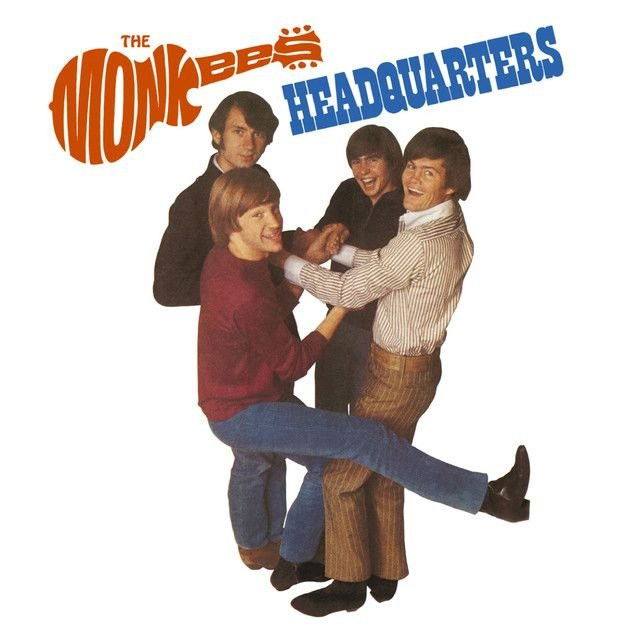
Released on Headquarters in 1967, the album where the group took greater control of their own playing and recording, “Zilch” fits the band’s playful side while also showing how sharply they understood sound and timing. Factually, Headquarters marked a key turning point for the group’s creative independence, as noted in album histories from Rhino and The Monkees official site.
A Nonsense Track With a Real Point
At the most basic level, “Zilch” is built from spoken phrases repeated in rhythm. Lines like Mister Dobalena
and China Clipper calling Alameda
do not form a literal plot. Instead, they work like verbal percussion.
That matters because the song turns language into pure sound. Rather than asking listeners to follow a narrative, it asks them to feel bounce, pattern, and group interplay. Interpretation: the title “Zilch” suggests “nothing,” but the track proves that even “nothing” can become music when voices lock together.
This idea fits The Monkees well. They were always balancing pop craft with television comedy, and “Zilch” leans hard into the comic side without becoming careless. The nonsense is controlled. The repetition is tight. The joke lands because the performance is disciplined.

Watch the official Zilch
music video
How the Words Work Even When They Mean Little
Several phrases in the song sound meaningful at first and then slip away on closer listen. One example is the plea is self defense
. Another is the people are intending
. These fragments sound almost official or formal, but they never resolve into a full thought.
That tension is the key to the song’s charm. The band uses language that feels half-familiar, half-absurd. Listeners recognize the shape of serious speech, yet the meaning stays out of reach. Interpretation: this may gently mock the way words can sound important even when they communicate very little.
In that sense, “Zilch” is not only random. It plays with empty rhetoric, slogans, and phrases that feel substantial because of their rhythm. The band strips speech down to its musical skeleton.
Group Chemistry Is the Real Message
More than anything else, “Zilch” is a performance piece. It was credited to all four Monkees—David Jones, Michael Nesmith, Micky Dolenz, and Peter Tork—according to the user-provided credits and standard song references. That shared authorship makes sense because the track feels like a group invention, built from timing, personality, and live-room energy rather than from a traditional songwriter’s blueprint.
The real subject of the song may be the band itself. Each repeated line gains force from how the voices overlap and snap into place. They sound like four people enjoying the act of making something together, even if that “something” is intentionally slight.
Why repetition matters here
Repetition does two jobs at once:
- It makes the phrases funny.
- It turns the voices into rhythm instruments.
- It shows off the band’s chemistry without needing melody-heavy hooks.
That is why a phrase like Never mind the furthermore
sticks in memory. It is catchy not because it explains anything, but because it lands with perfect comic rhythm.
The Sound of 'Headquarters' in Miniature
“Zilch” also makes more sense when heard as part of Headquarters. That album is often remembered as the moment when The Monkees pushed back against the idea that they were only a manufactured act. Contemporary histories of the album regularly note their increased role in performing the music themselves, including sources such as AllMusic and Britannica.
In that context, “Zilch” feels like a small but confident statement. It is loose, homemade, and unafraid to be odd. There is very little separation between rehearsal-room fun and finished recording. Instead of hiding that looseness, the band makes it the point.
The production is minimal and voice-driven. There is no need for a lush arrangement, because the rhythm of the spoken lines creates its own momentum. Interpretation: this gives the song an almost workshop quality, as if listeners are hearing creativity in motion rather than a polished final product.
Is There a Deeper Meaning Behind “Zilch”?
There are at least two useful ways to read the track.
Reading one: it celebrates pure play
The first reading is simple: the song is a burst of fun. It shows that music does not always need confession, romance, or big ideas. Sometimes artists just enjoy sound for its own sake.
Reading two: it pokes at empty language
The second reading is more satirical. Phrases that sound grand but go nowhere may reflect how public speech can become hollow. When the band repeats those lines until they lose all normal meaning, they expose how fragile meaning can be in the first place.
Neither reading cancels the other out. In fact, both can be true at once. “Zilch” can be playful and sly at the same time.
Why the Song Still Gets Remembered
The reason people still ask about the meaning of Zilch The Monkees is that the track does something rare. It sounds disposable, yet it reveals a lot about the band. It captures their humor, their timing, their willingness to experiment, and their comfort with looking a little ridiculous.
That last part matters. Many pop groups protect their image by avoiding small, strange pieces like this. The Monkees leaned in. By doing so, they made a song that feels light on purpose, not light by accident.
The Last Word on “Nothing”
In the end, “Zilch” is about what happens when language stops carrying clear information and starts acting like rhythm. The band turns nonsense into groove, shared timing, and comic identity. That is why the song feels minor in scale but major in personality.
For listeners, the track is a reminder that meaning in music does not only come from literal lyrics. Sometimes it comes from delivery, repetition, and the sound of people having fun together.
Disclaimer: This interpretation separates confirmed facts from informed reading. Because “Zilch” is intentionally playful and abstract, parts of its meaning remain open to listener interpretation.







