Why Moody Blues' 'Gypsy' Feels So Lost
The meaning of Gypsy (Of A Strange And Distant Time) The Moody Blues starts with one powerful feeling: being cut off from everything familiar. On the surface, the song sounds like science fiction. It follows a traveler moving through vast darkness, unable to find direction or return home.
"Gypsy (Of A Strange And Distant Time)" - The Moody Blues
Traveling in panic, all direction blind
Aching for the warmth of a burning sun
Loading lyrics...
Unable to load lyrics
We're unable to display the lyrics at this time. Please try again later.
But the reason the song lasts is simple. They turn that cosmic image into a very human emotion. Fear, homesickness, and the shock of being too far gone all sit inside this short 1969 track.
A space song with a lonely heart
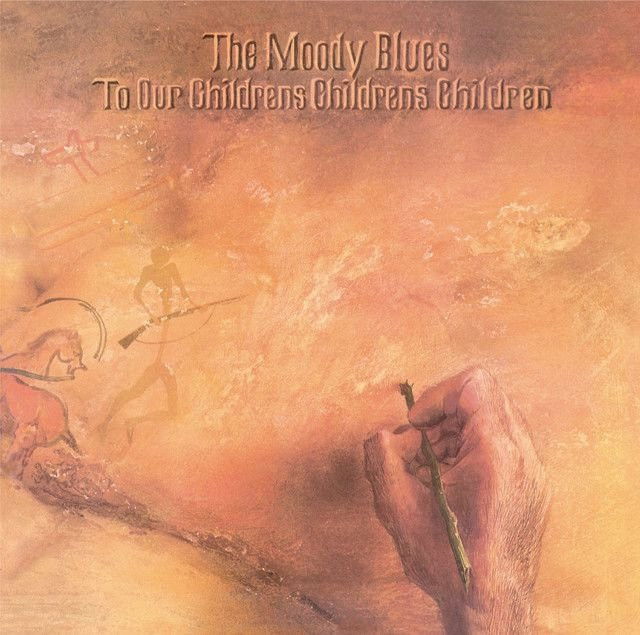
Factually, the song appeared on To Our Children’s Children’s Children, released in 1969, a concept album widely described as being about space travel and discovery. It was written by Justin Hayward and produced by Tony Clarke. Standard credits also list key players including Mike Pinder on Mellotron and Ray Thomas on bass flute, both important to the song’s dreamlike feel. See the album and song details via Wikipedia.
That album context matters. The lyrics describe a traveler from a strange and distant time
who is moving in panic, lost in a place with no warmth and no clear path. The words suggest outer space, but they also describe emotional exile.
Interpretation: They present a character who is not just physically far away. They are spiritually unmoored.

Watch the official Gypsy (Of A Strange And Distant Time)
music video
The central image: a wanderer without belonging
The title uses the figure of a roaming outsider to frame the song. In the lyric, that traveler is not romantic or free. They are frightened. The phrase direction blind
says a lot in just two words. This is not wandering by choice. It is disorientation.
The next images deepen that crisis. The traveler longs for a burning sun
but instead feels cold and empty. In plain terms, they want life, warmth, and home, but exist in a place that offers none of it.
That is why the song lands emotionally even for listeners who do not focus on the science-fiction setting. Almost anyone understands the fear of being in unfamiliar territory with no way to get back.
How the story unfolds in a few lines
The song’s narrative is brief but vivid. It moves in clear stages:
- A traveler appears, already lost.
- They feel panic rather than wonder.
- Distance becomes almost unimaginable, measured in deep time.
- The future offers no rescue.
- The song ends with the pain of no return.
The key line is the repeated idea that they are left without a hope
of coming home. That refrain changes the song from a travel story into a tragedy. The problem is not just that the traveler is far away. It is that the separation may be permanent.
Time, darkness, and eternity
One of the most striking parts of the lyric is how it mixes outer space with deep time. The traveler moves through a million years
of shadow and hears only darkness. That is a strange phrase, but it works because it makes emptiness feel physical.
Interpretation: The song may be saying that isolation changes how a person experiences reality. When someone is fully alone, even silence feels loud. Even time becomes threatening.
The line about visions of eternity pushes that idea further. Instead of treating eternity as peaceful or holy, the song makes it terrifying. Infinity here is not comfort. It is the nightmare of endless separation.
Darkness is the only sound
to reach his ears
Those words capture the song’s emotional trick. They blend senses together so listeners do not simply picture darkness; they feel trapped inside it.
Why the music makes the meaning stronger
The Moody Blues were masters of turning mood into arrangement, and this track is a good example. The song is usually tagged as progressive rock, but it also carries the band’s signature orchestral softness. The Mellotron gives the recording a floating, almost haunted backdrop, while bass flute adds an airy, distant texture. Personnel and release details are summarized at Wikipedia.
Justin Hayward’s vocal delivery matters too. They do not sing the lyric like a hard sci-fi adventure. The tone is tender and worried, which keeps the focus on vulnerability rather than spectacle.
That choice helps explain why the track remained memorable. AllMusic’s Bruce Eder called “Gypsy” one of the group’s more popular songs from that period, a sign that listeners connected with more than just the concept-album setting. The note is quoted on the song’s reference page at Wikipedia.
Two strong ways to read the song
A literal reading
The most direct reading is that this is a space traveler lost in the void. The album’s concept supports that. So do images of cold, darkness, distance, and no route home.
A symbolic reading
Interpretation: The song can also be heard as a portrait of alienation. The traveler may stand for anyone cut off from meaning, community, or even their past self. In that reading, space is the shape loneliness takes.
Both readings work because the lyric stays focused on feeling. It does not overload the listener with plot. It gives just enough image to create emotional weight.
The lasting meaning of “Gypsy”
The meaning of Gypsy (Of A Strange And Distant Time) The Moody Blues is ultimately about exile. It uses cosmic imagery to describe panic, homesickness, and the terror of not being able to return.
That is why the song still resonates. They take a futuristic setting and make it deeply personal.
Disclaimer: This article offers interpretation alongside documented facts about credits, release, and album context. Song meaning can remain open, and different listeners may hear it differently.







