Why 'Melancholy Man' Feels Bigger Than Sadness
The meaning of Melancholy Man The Moody Blues goes far beyond simple gloom. On the surface, the song introduces a lonely, heavy-hearted speaker. But as it unfolds, it turns into something larger: a spiritual reflection on suffering, human growth, and the thin line between wisdom and despair.
"Melancholy Man" - The Moody Blues
All the world surrounds me, and my feet are on the ground.
I'm a very lonely man, doing what I can,
Loading lyrics...
Unable to load lyrics
We're unable to display the lyrics at this time. Please try again later.
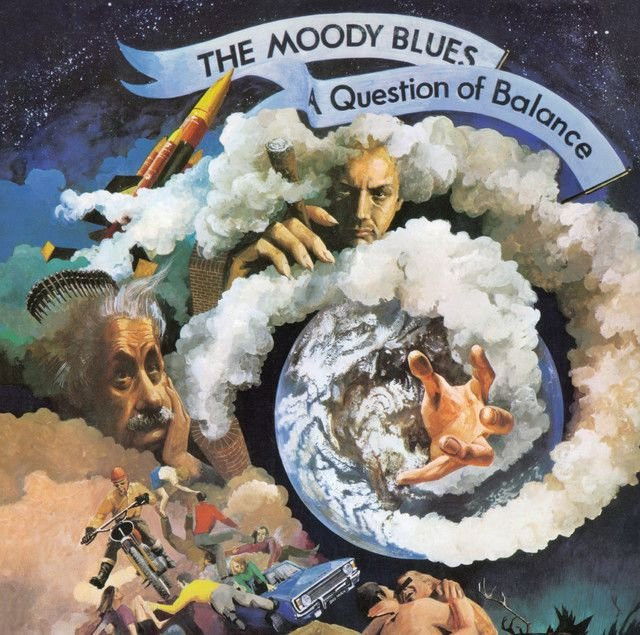
Written by Mike Pinder and released on A Question of Balance in 1970, the song sits in a period when The Moody Blues were blending rock with philosophy, mysticism, and orchestral color. That wider context matters. They were not just writing sad songs; they were often asking what modern life was doing to the soul.
A Lonely Voice Standing in a Vast World
The opening makes the speaker sound isolated, but not defeated. When they hear melancholy man
and very lonely man
, the key idea is not self-pity. It is self-awareness. He knows he is burdened, yet he also says his feet are on the ground
, which suggests balance, realism, and a clear view of life.
That contrast is central to the song. The world surrounds and amazes him at the same time. He feels small inside a huge universe, but he is still trying to understand it. This is why the sadness in the song feels thoughtful rather than dramatic.

Watch the official Melancholy Man
music video
More Than Depression, Less Than Despair
A common reading is that the song is simply about depression. That is partly true, but it is too narrow. Interpretation: the speaker seems to treat melancholy as a kind of painful wisdom. He is not only sad; he is deeply awake to history, conflict, and the future.
That helps explain the line about growth. Even in sorrow, he believes humanity is still developing. The song holds two ideas together: people suffer, and people can still evolve. That tension gives it emotional depth.
When the Song Turns Cosmic
The middle section suddenly expands from personal feeling into apocalyptic imagery. Falling stars, angry voices, wind, and light all push the song into a visionary space. Instead of staying inside one person’s mind, it imagines a world in crisis.
When all the stars are falling down
Into the sea and on the ground
This brief image sounds like the collapse of order itself. The sky is no longer stable. Nature, society, and belief all seem shaken. Yet the song does not stop there. It follows catastrophe with illumination, suggesting that truth can still break through confusion.
Light, Memory, and Moral Insight
The phrase a beam of light
introduces one of the song’s most important ideas: revelation. After chaos, there is understanding. The song suggests that people may remember what wise and decent figures have tried to teach all along.
This matters because the track is not nihilistic. It warns about blindness, anger, and misery, but it also argues that insight is possible. In simple terms, the song says that hard times can expose what really matters. That is a very Moody Blues theme, especially in their late 1960s and early 1970s work.
The “Other Man” as a Mirror
Near the end, the lyric presents another figure, someone who looks familiar but does not think or feel the same way. Interpretation: this “other man” can be read in two ways.
- He may represent spiritually blind humanity.
- He may be a dark double of the speaker himself.
Both readings work. If he stands for society, then the song becomes a warning about people who live inside misery because they cannot see beyond it. If he is a mirror image of the narrator, then the song becomes more personal: one self understands, while another self remains trapped.
Either way, the song draws a line between seeing and not seeing. Knowledge here is not academic. It is moral and spiritual perception.
How the Music Deepens the Meaning
The arrangement helps carry all of this. The Moody Blues were known for lush, layered production, and A Question of Balance balanced that signature style with a somewhat leaner rock sound compared with some earlier records. In “Melancholy Man,” the slow tempo, sustained keyboards, and spacious vocal delivery create a feeling of weight and distance.
Pinder’s voice is especially important. He does not oversing the emotion. Instead, he sounds calm, solemn, and almost prophetic. That restraint keeps the song from becoming melodrama. The mood is mournful, but the performance suggests authority.
The instrumentation also mirrors the lyric’s movement. It begins grounded and intimate, then opens into something more expansive and celestial. That musical lift supports the song’s shift from private sadness to universal warning.
Artist Context Matters Here
Mike Pinder often brought a mystical and reflective edge to The Moody Blues’ music, especially through his writing and keyboard textures. The band as a whole had already built a reputation for concept-driven albums and philosophical themes by the time this song appeared. That makes “Melancholy Man” feel like part confession, part meditation, and part prophecy.
For listeners in 1970, this would also have landed in a tense cultural moment marked by war, social division, and generational anxiety. Interpretation: the song’s angry voices and collapsing stars can be heard as symbolic responses to that wider unrest, even if the lyric never names specific events.
Why the Song Still Connects
The meaning of Melancholy Man The Moody Blues lasts because it treats sadness as something more than a mood. It becomes a lens for looking at the world. The speaker hurts, but he also perceives. He feels alone, yet he still believes growth and truth are possible.
That combination is rare. Many songs about loneliness stay inside pain. This one reaches outward. It turns private melancholy into a meditation on human blindness, spiritual memory, and the hope that people may still learn.
Final Thought
In the end, “Melancholy Man” is about the burden of seeing too much and still trying to believe in something better. Its sadness is real, but so is its faith in awakening.
Disclaimer: This interpretation is based on the song’s lyrics, recording context, and The Moody Blues’ broader artistic style. As with any song, listeners may hear it differently.







