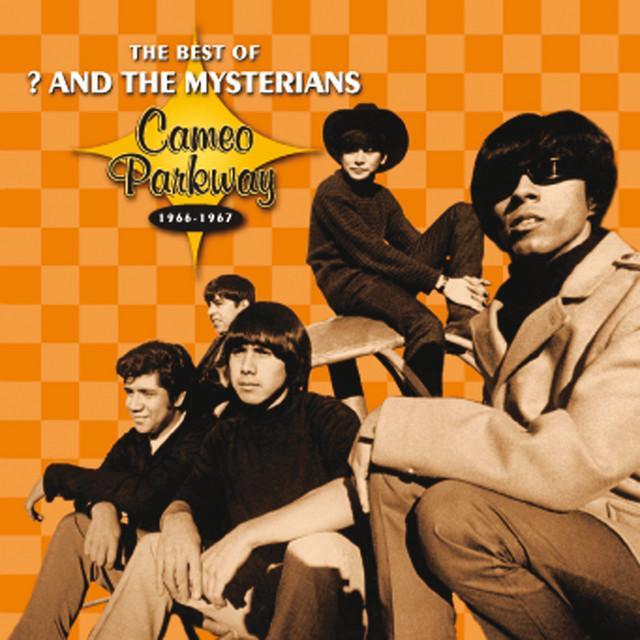
Why “96 Tears” Still Sounds So Cold
The meaning of 96 Tears ? & The Mysterians starts with a simple feeling: getting dumped hurts, but hurt can quickly turn into pride, fantasy, and revenge. The song does not describe a long love story. Instead, it drops listeners into the middle of emotional damage and lets that damage talk back.
"96 Tears" - ? & The Mysterians
Too many teardrops for one heart to carry on
You're way on top now since you left me
Loading lyrics...
Unable to load lyrics
We're unable to display the lyrics at this time. Please try again later.
Released in August 1966, the single became a No. 1 hit on the Billboard Hot 100 and later appeared on the album 96 Tears. It was written by Rudy Martinez, better known as Question Mark, and recorded in Bay City, Michigan. Its rise from a local release to a national smash is part of garage-rock history.[1]
A breakup song with a threat inside
At its core, the song is about humiliation after a breakup. The narrator feels looked down on and mocked by the person who left. That is why lines built around status matter so much. They talk about being below someone now, then imagining a day when the positions reverse.
The emotional swing is key. The singer is not calmly reflecting on lost love. They are angry, wounded, and trying to regain power. When the song points toward you’re gonna cry
, it turns pain into a promise. The narrator wants the other person to feel the same hurt, only later.
Interpretation: This is what makes the record feel more intense than an ordinary sad-love song. It is not only grief. It is grief trying to become control.
Watch the official 96 Tears
music video
The voice sounds tough, but it is not fully confident
One reason the lyric works so well is that the speaker never sounds completely secure. They boast, but they also crack. Early on, the idea of too many teardrops
frames the situation as almost unbearable. That opening does not sound powerful at all. It sounds overwhelmed.
Later, the singer imagines climbing back on top, but the fantasy is shaky. The song even pauses to admit uncertainty with the idea of being wondering how
. That small moment matters. It suggests that revenge may be more dream than plan.
And when the sun comes up
I’ll be on top
You’ll be right down there
That brief passage sums up the song’s emotional engine: the narrator survives the present by inventing a future where the pain gets returned.
Why the number 96 matters
The number in the title is one of rock’s great small mysteries. Many retellings have offered stories about how the number was chosen. But Rudy Martinez pushed back on some of those myths and told Songfacts that the song was always called “96 Tears,” adding that 96 had a deep philosophical meaning for him, though he did not explain it.[2]
That secrecy helped the band’s image. ? & the Mysterians leaned into mystery, dark glasses, and a name that looked strange on a record label. So even if the exact meaning of 96 remains private, the ambiguity works in the song’s favor. It makes the title feel larger than logic.
Interpretation: For many listeners, 96 does not need a literal explanation. It works as exaggeration. It turns sadness into a countable mountain, something excessive enough to feel almost surreal.
The sound carries as much meaning as the words
The song’s impact is not just lyrical. Frank Rodriguez’s Vox Continental organ gives the track its signature pulse, and that riff is a major reason the record still sounds alive.[1][2] The organ is bright but eerie, almost playful on the surface, while the vocal sounds wounded and mean underneath.
That contrast shapes the meaning. The beat keeps moving, the organ circles, and the singer spits out short phrases like accusations. There is very little decoration. The arrangement is lean: organ, guitar, bass, drums, and a vocal that sounds half sneer, half plea.
This raw style is why the song is so often treated as a garage-rock landmark. Some writers and critics even frame it as an early punk ancestor because of its stripped-down attack and attitude.[1] The song does not polish heartbreak. It makes heartbreak sound cheap, immediate, and dangerous.
A local recording that became a classic
Part of the meaning of 96 Tears ? & The Mysterians also comes from where it came from. The song was recorded in Michigan and first issued on the small Pa-Go-Go label before radio support in Flint and Windsor/Detroit helped it spread. Cameo-Parkway then picked it up for national distribution.[1][2]
That journey matters because the record sounds like what it was: a regional band catching lightning. It was not built like a glossy studio product. It was built around feel, nerve, and a riff no one forgets.
Its success was huge. The single hit No. 1 in the U.S. and Canada, and Billboard ranked it the No. 5 song of 1966 year-end.[1] That chart run helped turn a strange, minimal breakup song into a permanent oldies staple.
So what is the song really saying?
The clearest reading is this: a hurt person imagines emotional payback. They are crying now, but they dream of a moment when the ex will cry more. The title and chorus push that fantasy into pop-song form.
But there is another layer. Because the singer sounds so bruised, the song also captures the way people use revenge talk to protect themselves from shame. The threat may be real, or it may just be self-comfort. Either way, that tension is why the song lasts.
In the end, “96 Tears” is both petty and honest. It understands that after rejection, people do not always become noble. Sometimes they sulk, fantasize, and count the tears.
Disclaimer: This article offers interpretation based on the lyrics, recording context, and documented history. As with any song, meaning can vary from listener to listener.








