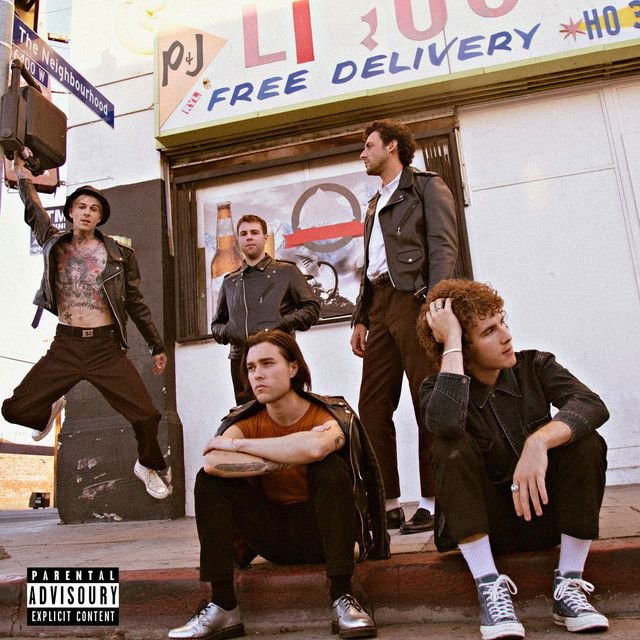
Compass by The Neighbourhood: Love as Direction
The heart of the song
The meaning of Compass The Neighbourhood centers on emotional dependence dressed up as devotion. The singer does not just love someone; they rely on that person to feel steady, focused, and safe. The title image says almost everything. A compass helps people find direction, so calling someone my only compass
turns a romance into a survival tool.
"Compass" - The Neighbourhood
You know I never know which way to go
I think I need you with me for all-time
Loading lyrics...
Unable to load lyrics
We're unable to display the lyrics at this time. Please try again later.
That is why the song feels sweet and uneasy at the same time. On the surface, it sounds like gratitude for a loyal partner. Underneath, it suggests fear of being alone and fear of making choices without that person nearby. The lyric idea is simple: without this relationship, the singer feels lost.

Watch the official Compass
music video
A love song built on need
In the opening lines, the narrator admits they feel isolated when the other person is absent. They also say they never know which way to go. That pairing matters. The song links loneliness with confusion, as if emotional separation also breaks their inner map.
This is carried through practical details. The loved one listens on the phone, gives advice, and points out bad behavior. In other words, they are not only a romantic partner. They act like a friend, conscience, and guide. When the singer asks Could you tell me where to go?
, the request sounds bigger than everyday help. It becomes a plea for mental and emotional direction.
Why the confession matters
The chorus includes a revealing admission: I'd keep you in my pocket
. Before and after that phrase, the song makes clear that the singer wants constant access to this person’s comfort and guidance.
Interpretation: this is where the song turns from simple affection to possessive dependency. A pocket is close, private, and portable. So the image suggests they want reassurance on demand. It is a tender image, but also a controlling one, even if the singer means it lovingly.
The chorus turns romance into a map
The chorus is the emotional center because it compresses the whole message into one metaphor. The singer is not saying, “You improve my life.” They are saying life feels unworkable without you. The line I might get lost without you
makes that fear direct and easy to understand.
That also explains why the song resonates with listeners who have felt intense attachment. Many love songs celebrate connection. This one highlights what happens when connection becomes orientation itself. The loved one becomes north, route, and destination all at once.
You're my only compass
I might get lost without you
Those two short lines carry both comfort and danger. They sound romantic because they promise loyalty. They sound troubling because the singer seems to have no backup plan for their own identity.
Images of magnets, stars, and darkness
The song builds its meaning with a few clear symbols. Each one supports the same central idea: attraction is guiding the singer’s life.
- Compass: direction, decision-making, and emotional stability
- Star at night: hope during confusion or fear
- Darkness: uncertainty, sadness, or mental fog
- Magnet: a pull that feels natural and hard to resist
When the song compares the bond to a magnet, it suggests this attachment feels automatic. The singer does not present love as a choice made calmly. They present it as a force. That is important because it softens personal responsibility. They are not just devoted; they feel pulled.
The image of the partner as a star also matters. Stars help travelers navigate, especially at night. So even the romantic imagery keeps returning to guidance. The song never drifts far from its core metaphor.
How the sound supports the lyrics
The Neighbourhood are known for blending alternative rock, R&B, and moody pop textures, a style heard across their catalog and noted by sources such as AllMusic. In “Compass,” that hazy, polished sound helps the message land.
The production feels soft and atmospheric rather than dramatic. That matters because the song is about dependence, not chaos. The instrumental backdrop gives the confession a floating quality, as if the singer is suspended in feeling instead of firmly grounded. The beat and melody move smoothly, which makes the needy lines sound sincere rather than aggressive.
Jesse Rutherford’s vocal style also adds to the meaning. He often sings with a blurred, intimate tone, and here that approach makes the words feel like late-night honesty. Instead of sounding bold, the narrator sounds exposed. That keeps the listener close to the vulnerability inside the song.
Artist context and writing credits
The song’s credited writers include Brandon Alexander Fried, Jeremy Allen Freedman, Jesse J Rutherford, Lars Stalfors, Michael Blake Margott, and Zach Shane Abels, as provided in the song information supplied for this article. That wide writing team fits a track that feels carefully shaped around one strong central image.
Without a direct band quote explaining the song, any deeper claim about intent should stay cautious. Interpretation: the song fits a recurring Neighbourhood theme, where romance is intense, moody, and mixed with insecurity. Their music often treats intimacy as both comfort and risk, and “Compass” follows that pattern.
One main reading, plus another
The strongest reading is straightforward: this is a song about a person who feels emotionally anchored by a partner and afraid of losing that anchor.
A second reading is also possible. Interpretation: the “compass” could stand for any stabilizing presence, not only a lover. It could be a close friend, a muse, or even a symbol of mental grounding. Still, the repeated romantic language and physical closeness make the love-song reading the most convincing.
Why the song stays with people
The meaning of Compass The Neighbourhood lasts because it captures a feeling many people know but do not always admit. Love can be warm, helpful, and life-giving. It can also become the thing a person uses to navigate every fear.
“Compass” understands both sides. It is affectionate without being simple, and vulnerable without pretending dependency is fully healthy. That tension is what gives the song its emotional pull.
Disclaimer: This interpretation is based on the lyrics, songwriting context, and The Neighbourhood’s broader style. As with any song, meaning can vary from listener to listener.








