Why This Oak Ridge Boys Hit Still Runs Free
The meaning of Leaving Louisiana In The Broad Daylight The Oak Ridge Boys comes down to one big tension: freedom feels exciting, but it also leaves damage behind. The song moves like a chase scene, yet its heart is about a young woman choosing motion over safety, and desire over staying where others expect her to stay.
"Leaving Louisiana In The Broad Daylight" - The Oak Ridge Boys
Left her mama crying with her head in her hands
Such a sad case, so broken hearted
Loading lyrics...
Unable to load lyrics
We're unable to display the lyrics at this time. Please try again later.
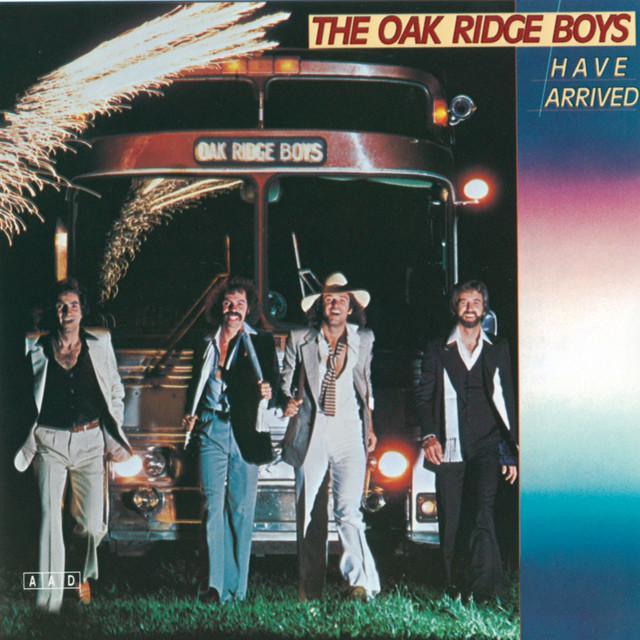
The Oak Ridge Boys released their version in 1979 as the third single from The Oak Ridge Boys Have Arrived. It was written by Rodney Crowell and Donivan Cowart, produced by Ron Chancey, and became the group's second No. 1 country hit in early 1980, according to available chart and release data from Wikipedia: https://en.wikipedia.org/wiki/Leaving_Louisiana_in_the_Broad_Daylight.
A Getaway Song With Sharp Edges
On the surface, the story is simple. Mary leaves home with a traveling man, and her mother is left grieving and warning her about men who never stay long. The song calls this an ordinary story, but that phrase is ironic. To the people inside it, nothing feels ordinary at all.
The opening quickly frames the conflict. Mary is not drifting away slowly; she is already in motion. When the lyric points toward travelin' man
and wanting to get out of town
, it shows a character who sees leaving as rescue, not betrayal.
Interpretation: Mary is chasing more than romance. She is chasing possibility. The song suggests she is tired of being stuck, and the man becomes the spark that turns private frustration into action.
Watch the official Leaving Louisiana In The Broad Daylight
music video
The Chorus Makes Escape Feel Bold
What makes the song memorable is the title line. Instead of slipping away at night, she is Leaving Louisiana
openly, in plain sight. That matters.
Interpretation: The daylight image turns escape into a declaration. She is not hiding her choice. Even if the town judges her, the song gives her a strange kind of pride.
That is why the chorus feels bigger than the plot. It is not only about one person leaving one place. It captures a classic country idea: the road can look more honest than home when home starts to feel like a trap.
Family Warning vs. Roadside Desire
The song gets much of its emotional force from the mother's point of view. She sees the pattern clearly. A man who is always moving is unlikely to build a stable life with Mary.
That warning sharpens the story because the listener can hear two truths at once:
- Mary feels alive for the first time.
- Her mother probably understands the danger.
- The traveling man may be exciting, but he is unreliable.
This split is central to the meaning of Leaving Louisiana In The Broad Daylight The Oak Ridge Boys. The song does not fully condemn Mary, and it does not fully trust the man either.
the highway goes on forever
That ol' highway rolls on forever
Those lines widen the frame. The highway is more than a road; it is a force. It keeps moving whether people are ready or not.
Louisiana as Place, Pressure, and Heat
The lyrics paint Louisiana as a vivid, rough-edged world of swamps, bars, family pride, and fast tempers. This is not a gentle backdrop. It is a place where passion can turn dangerous very quickly.
When the song hints that things get real hot
and there is no time for lengthy speeches
, it raises the stakes. The runaway story starts to feel like a near-crime scene or a chase, with the girl's family and community ready to react.
Interpretation: Louisiana becomes a symbol of pressure. It represents roots, identity, and social rules. Leaving it means leaving more than geography. It means crossing a line.
How The Oak Ridge Boys Sell the Story
The Oak Ridge Boys were known for rich group harmony and energetic country arrangements, and that style matters here. Their version is under three minutes, but it feels packed with motion. The beat pushes forward, the vocal blend adds urgency, and the performance turns the lyric into something almost cinematic.
Produced by Ron Chancey, the recording leans into brisk tempo and sharp vocal attack rather than melancholy stillness. That choice changes how the story lands. Instead of sounding tragic first, it sounds thrilling first.
That is important. A slower version might make Mary seem doomed from the start. The Oak Ridge Boys make her choice sound reckless, yes, but also electric. Their harmonies suggest the chaos of many voices talking at once: Mary, the mother, the town, and the road itself.
A Story About Freedom That Refuses to Simplify
One reason the song lasts is that it avoids a clean moral. Mary is neither a pure rebel hero nor a simple cautionary tale. The mother is not wrong, but she is not the center of the emotional rush either.
Interpretation: The song lives in that gray area where bad ideas can still feel wonderful. That may be why the repeated claim that it never felt so good hits hard. The listener understands the cost, but they also understand the pull.
In that sense, the song fits a long American tradition of road songs, runaway songs, and border-crossing songs. The highway promises change, even when change comes with loss.
Why the Song Still Connects
For many listeners, the song works because it captures a feeling they recognize: the moment when staying feels impossible, even if leaving is messy. That emotional truth helps explain why the track became such a major hit for the group.
The meaning of Leaving Louisiana In The Broad Daylight The Oak Ridge Boys is not just that Mary runs away. It is that the song understands why people do it. It hears the warning, but it also hears the engine starting.
Final Take
The Oak Ridge Boys turn a compact story song into a lively drama about risk, desire, and the price of freedom. Their version celebrates the rush of escape while letting danger shadow every mile.
Disclaimer: This interpretation is based on the released lyrics, performance, and available song history. Like many story songs, it can support more than one reading.








