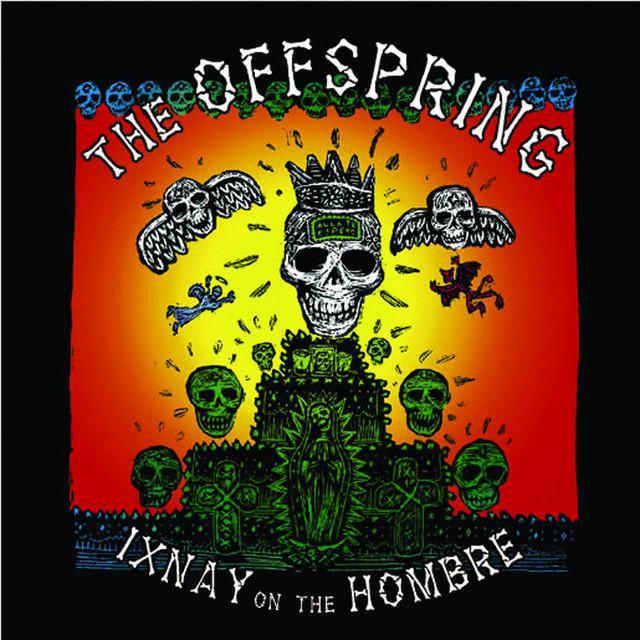
Cool to Hate by The Offspring
The meaning of Cool to Hate The Offspring comes down to one sharp idea: the song turns extreme negativity into a joke so they can expose how shallow and self-defeating it is. Rather than celebrating hate, they seem to perform it so loudly that listeners can hear the emptiness inside it.
"Cool to Hate" - The Offspring
I hate a lot of people that are lame
I like to hate stuff
Loading lyrics...
Unable to load lyrics
We're unable to display the lyrics at this time. Please try again later.
Released on Ixnay on the Hombre in 1997, “Cool to Hate” came from a band already known for mixing punk speed with sarcasm and social commentary. The Offspring were formed in California in the 1980s, and frontman Dexter Holland has long been the group’s main songwriter, with Bryan Keith Holland listed as the writer here. The track fits their broader style of catchy hooks wrapped around ugly truths, whether personal or cultural.
The Song’s Main Target Is Cynicism
At the surface, the speaker says they hate nearly everyone: teachers, school, office life, subcultures, trends, and even the person they are talking to. But the list is so broad that it stops sounding sincere and starts sounding absurd. That is the point.
The key line is the title hook, it’s cool to hate
. The song presents hate as a social pose, almost like a fashion choice. In this world, rejecting everything is easier than caring, joining in, or risking disappointment.
That idea gets clearer when the lyric links hate to laziness and avoidance. Early on, the speaker admits they would rather hate than change. In plain terms, the song suggests cynicism can become a shortcut. If someone mocks everything, they never have to build anything.

Watch the official Cool to Hate
music video
A Narrator Who Hides Behind Attitude
The speaker sounds confident, but their words reveal weakness. They brag about tearing things down because it is easier. They say they are happiest in misery. Those lines make the persona look less powerful than stuck.
Interpretation: this is not a heroic rebel. It is someone using contempt as armor. Instead of choosing values, they choose blanket rejection.
That is why short phrases like I like to hate stuff
and I’m in my misery
matter. They compress the whole character into a few words: this person has made bitterness part of their identity.
Why the Chorus Feels So Catchy and So Ugly
The chorus works because it is simple enough to chant, but disturbing once listeners sit with it. The phrase liking something’s just a waste of time
takes a common defensive attitude and pushes it to a ridiculous extreme.
That exaggeration is central to the song’s meaning. If caring about anything is framed as embarrassing, then hate becomes a twisted kind of social safety. Nobody can judge someone’s taste if they refuse to have one.
Being positive’s so unhip
Being positive’s so uncool
This short section is one of the clearest moments in the song. It shows the real target is not one person or one group. It is a mindset where optimism is mocked because sneering looks smarter.
Everyone Gets Hit, and That Matters
One of the smartest things in the writing is that the speaker hates every camp. They go after the jocks
, the geeks
, trend-followers, outsiders, school, work, bands, and TV. That wide attack matters because it keeps the song from sounding like one clique insulting another.
Instead, it portrays a person who cannot belong anywhere because they are committed to rejecting everything. They do not stand outside the system as a free thinker. They are trapped in permanent reaction.
Interpretation: this can be read as a satire of 1990s youth culture, where irony and detachment often carried social value. But it also still feels current. Online culture often rewards fast contempt, snark, and takedowns more than genuine enthusiasm.
How the Sound Carries the Joke
Musically, “Cool to Hate” is built like a punchy pop-punk chant. The guitars are sharp, the drums move fast, and the vocal delivery leans toward a sneer. That matters because the arrangement makes the song feel fun, even while the words describe emotional rot.
That contrast is very Offspring. They often pair bright, hooky structures with ugly or uncomfortable material. Here, the bouncy tempo almost acts like bait. Listeners may sing along before they notice the song is mocking the very attitude it performs.
The gang-style repetition in the chorus also helps. It sounds communal, which is ironic: the song criticizes hating as a group behavior, then gives it a group chant. That production choice reinforces the satire by showing how contagious negativity can become.
Artist Context Makes the Meaning Clearer
The Offspring rose to mainstream fame after Smash and followed it with Ixnay on the Hombre, an album that often sounded more sarcastic and abrasive than a straightforward pop breakthrough. In that setting, “Cool to Hate” fits well. It sounds like a band side-eyeing empty rebellion and scene politics rather than simply joining them.
Dexter Holland’s writing often uses exaggerated characters, and this song works best when heard in that tradition. The speaker is so extreme that they become a caricature. That caricature lets the band criticize a real social habit: acting above everything because caring feels vulnerable.
The Lasting Meaning of Cool to Hate The Offspring
In the end, the meaning of Cool to Hate The Offspring is not that hate is admirable. It is that hate can become performative, lazy, and strangely fashionable. The song takes that pose to a ridiculous level so listeners can see how thin it really is.
Its lasting power comes from how familiar that pose still feels. Many people know someone who treats enthusiasm as weakness and insults as proof of intelligence. The song laughs at that person, but it also warns about becoming them.
Disclaimer: This interpretation is based on the lyrics, the song’s tone, and The Offspring’s broader style. As with any song, listeners may hear different meanings.







