
Why "Climb on Your Tears" Feels So Healing
For listeners searching for the meaning of Climb on Your Tears The Paper Kites, Aoife O’Donovan, the heart of the song is simple and moving: pain does not vanish, but it can become the very thing that helps a person rise. Rather than denying sadness, the track treats grief as a step upward.
"Climb on Your Tears" - The Paper Kites, Aoife O’Donovan
For a long time in my mind
I've been seeing your face
Loading lyrics...
Unable to load lyrics
We're unable to display the lyrics at this time. Please try again later.
That idea gives the song its unusual comfort. They sing to someone who is hurting, admit they cannot fully fix that hurt, and still offer a path forward. It is less a rescue song than a companion song.
A Gentle Message Hidden in the Title
The title sounds strange at first. Most songs talk about crying as collapse, but this one turns tears into a tool. The central image, climb on your tears
, suggests that sorrow can become a ladder rather than a trap.
That is why the chorus lands so hard. Instead of telling the wounded person to "get over it," the song imagines healing as a slow ascent. The pain is still there, but it is being used.
Like a ladder to a rose, baby
Wash all your fears away
In plain terms, the song says that tears may lead somewhere beautiful, and that release can clear space for courage. The rose is not cheap romance here. It feels more like beauty earned through endurance.
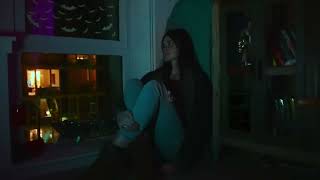
Watch the official Climb on Your Tears
music video
Where the Story Starts: Distance, Memory, Concern
The verses begin with memory and longing. The speaker has been thinking about this person for a long time, seeing their face in imagination, and wondering how they have been. That opening creates emotional distance: these are not lovers in the middle of a fight, but people separated by time, memory, or circumstance.
A key detail arrives when the hurting person is remembered as saying that the rain just falls
on them every day. The song uses weather as a way to describe depression, exhaustion, or a season of grief. Rain is constant, dulling, and hard to argue with.
Then comes the most honest line in the song’s emotional logic: the speaker says they could not help anymore. That matters because it keeps the song from becoming false comfort. They do not claim to save the other person. They can only offer words, witness, and hope.
The Chorus Turns Pain Into Motion
The chorus is the song’s main insight. It repeats the title image until it starts to feel believable. Repetition matters here because healing usually requires hearing the same truth more than once.
Interpretation: the chorus suggests emotional resilience, not instant recovery. To "climb" means effort. A "ladder" means progress in stages. A "rose" points to tenderness, growth, or beauty after hardship.
This is why the hook feels encouraging instead of sentimental. The song does not promise that fear disappears first. It says movement can begin while fear is still present.
Images of Pain and Light
Several images connect the song’s themes. One is the physical ache of sorrow, described through the phrase thorn in your side
. That image makes emotional suffering feel bodily, constant, and impossible to ignore.
Another is fire. Pain is not only heavy; it burns. Together, the thorn and fire show two sides of distress: one lingering, one acute.
Then the song shifts into sky imagery. Summer light fades, but the moon rises to guide the way. That turn is important. It says loss of one kind of light does not mean total darkness. If daylight goes, another form of guidance appears.
Interpretation: this section broadens the song from private comfort to a life lesson. People will get lost in thought, grief, and uncertainty. But being lost is not proof they are broken forever. It may simply be the road they are on right now.
Why Aoife O’Donovan’s Presence Matters
"Climb on Your Tears" appears as track two on Roses, The Paper Kites’ fifth studio album and their first collaborative record, featuring women vocalists from several countries. Aoife O’Donovan’s guest credit is not just decoration; it deepens the song’s emotional design.
Her voice brings clarity and warmth, which fits a lyric built around reassurance. The Paper Kites have long worked in soft-focus indie folk, but this song gains extra tenderness through the duet-like framing of presence and response. Even when the lyric describes distance, the layered vocals make it sound as if someone is still nearby.
That matches how press material described Roses: a set of "weather-beaten ballads and rain-drenched pop" full of feeling. "Climb on Your Tears" lives right inside that mood.
How the Sound Carries the Meaning
The arrangement supports the lyric at every step. The tempo is unhurried, which keeps the song from sounding pushy. Soft guitars and a spacious mix create room around the voice, as if the singer is leaving emotional space for the listener.
The repeating chorus also works musically. Each return feels less like insistence and more like steady support. Instead of dramatic peaks, the song favors patience. That choice mirrors the message: healing is gradual.
Interpretation: the production makes the song feel like a hand on the shoulder, not a speech. They are not trying to overwhelm pain with volume. They are trying to outlast it with calm.
The Deepest Meaning of the Song
At its core, the meaning of Climb on Your Tears The Paper Kites, Aoife O’Donovan is about transforming suffering without pretending it is noble. The speaker recognizes hurt, admits limits, and still believes growth is possible.
That balance is why the song connects. It is compassionate without being naive. It understands that there is a time to move on
, but only after honoring the reality of the wound.
For many listeners, the song may speak to heartbreak. For others, it may fit grief, depression, or burnout. Its language is open enough to hold all three.
Final Thought
"Climb on Your Tears" offers one of the gentlest ideas in modern indie folk: a person may not escape pain quickly, but they can build from it. The song turns crying from a symbol of defeat into a first step toward renewal.
That is an interpretation based on the lyrics, performance, and available context, and other listeners may hear something different.








