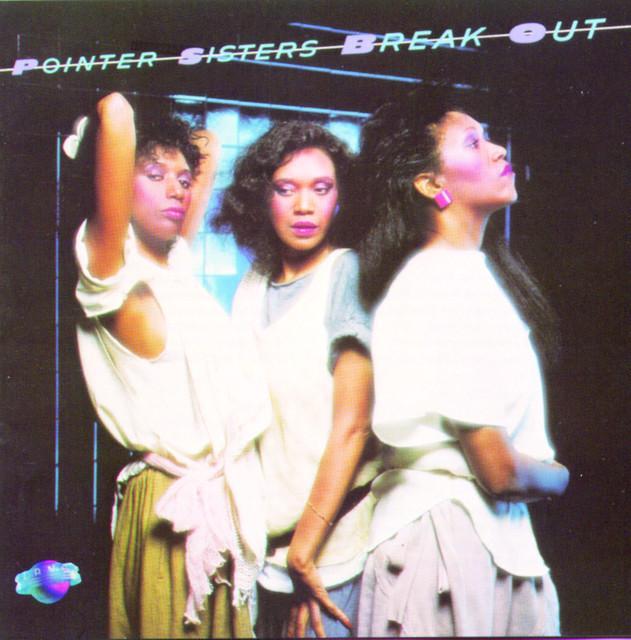
Why "Jump" Feels Like a Leap Into Love
The meaning of Jump (For My Love) The Pointer Sisters comes down to one big idea: love as a joyful risk. The song does not hide behind mystery. It is bold, playful, and direct, turning attraction into an invitation to act.
"Jump (For My Love)" - The Pointer Sisters
I can feel it in your heartbeat
I know you like what you see
Loading lyrics...
Unable to load lyrics
We're unable to display the lyrics at this time. Please try again later.
Released as a single in 1984 from Break Out, the track became one of the group’s biggest crossover hits, reaching No. 3 on the Billboard Hot 100 and later winning the 1985 Grammy for Best Pop Performance by a Duo or Group with Vocal. It was sung by June Pointer and written by Marti Sharron, Stephen Mitchell, and Gary Skardina, with Richard Perry producing. Those facts help explain why the song feels so polished and immediate: it was built to connect fast.
A Love Song About Moving First
At its core, this is a song about urging someone to stop circling around desire and finally step into it. The speaker reads body language, senses mutual attraction, and asks the other person to act. Phrases like your eyes tell me
and make a move
show that they believe the feeling is already shared.
That matters because the song is not about heartbreak, confusion, or longing from afar. It is about the electric moment before romance becomes real. The repeated command jump for my love
is less about literal movement than emotional commitment.
Interpretation: “Jump” works as a metaphor for taking a chance. The speaker is saying: if they want this love, they should stop hesitating and trust the feeling.
Watch the official Jump (For My Love)
music video
Desire, Confidence, and Consent in the Lyrics
The verses are full of physical and emotional cues. The speaker notices excitement, closeness, and rising intensity. Short lines such as feel my touch
and taste my kisses
frame romance in very direct terms, but the song keeps returning to choice.
That is an important part of its tone. The chorus keeps using “if you want,” which makes the invitation feel mutual rather than coercive. The energy is assertive, yet the language still centers response and willingness.
And if you want more
if you want more, more, more
That brief moment sums up the song’s message. The speaker offers affection and excitement, but the next move belongs to the other person.
The Chorus Turns Risk Into Celebration
A weaker pop song might use “jump” as a simple gimmick. Here, the hook does more than repeat a catchy word. It transforms uncertainty into action.
In the verses, attraction builds through looks, touch, and anticipation. In the chorus, all that tension gets a release. “Jump” becomes the answer to romantic suspense. Instead of asking for a long promise, the speaker asks for one brave decision.
This is why the song still feels fresh. It captures a universal moment: the point where chemistry is obvious, but somebody still has to go first.
How the Sound Carries the Meaning
The production is a huge part of why the song feels so uplifting. According to available credits, Stephen Mitchell handled synthesizer and programming, with extra synth work and electronic drums adding a sleek 1980s sound. Paulinho da Costa’s percussion also helps keep the groove lively and physical.
The arrangement matters to the song’s meaning. Bright synths, punchy drum machine patterns, and stacked group vocals make the invitation feel exciting rather than dangerous. Nothing about the track sounds hesitant. It pushes forward with bounce and shine, which mirrors the emotional leap the lyrics describe.
June Pointer’s lead vocal is crucial too. They sing with urgency, but also warmth. That balance keeps the song from sounding cold or mechanical. Even with all the electronic gloss, the center is human desire and joy.
The Pointer Sisters Context Matters
By the time Break Out arrived, the Pointer Sisters were already experienced performers, but this era sharpened their pop identity. The album produced multiple big singles, and “Jump (For My Love)” helped show how well they could bridge R&B, pop, and dance music.
There is also a small but revealing detail behind the title. The song was initially called “Jump,” but the title was expanded after Van Halen released a different hit with the same name around the same time. Anita Pointer later explained that the change helped avoid confusion. That bit of history shows how competitive and fast-moving pop was in 1984.
The music video added another layer to the song’s meaning. By pairing the track with footage of athletes leaping and competing, it turned romantic risk into a visual symbol of motion, courage, and confidence. That helped the song fit the upbeat spirit of the 1984 cultural moment.
Why the Song Endures
Part of the song’s staying power is simple: it is fun. But the deeper reason is that its message is easy to recognize. Many love songs dwell on pain or regret. This one lives in the thrilling second before commitment.
Interpretation: The song celebrates the moment when attraction becomes action. It suggests that happiness may require a leap, even when the outcome is not fully guaranteed.
That idea has helped the track survive far beyond its release year. Its many film and TV placements, plus later covers, show that its energy still translates. People keep returning to it because it turns vulnerability into momentum.
The Final Take on the Song’s Message
The meaning of Jump (For My Love) The Pointer Sisters is not hard to hear: they present love as a leap worth taking. The lyrics mix flirtation, confidence, and invitation, while the production makes that leap feel bright and irresistible.
In the end, the song says that sometimes the most honest thing in romance is to stop waiting and jump.
Disclaimer: This interpretation separates documented facts about the song’s release and credits from critical reading of its lyrics and themes. Meaning can vary from listener to listener.







