What 'Death By Rock And Roll' Really Means
The meaning of Death By Rock And Roll The Pretty Reckless starts with a loud, risky image: a life so consumed by music, excess, and freedom that even death would carry the same label. But the song is not just trying to shock. It turns the mythology of rock stardom into a statement about identity, grief, and choosing a life that feels fully lived.
"Death By Rock And Roll" - The Pretty Reckless
With a candle burning in her eye
But on my tombstone when I go
Loading lyrics...
Unable to load lyrics
We're unable to display the lyrics at this time. Please try again later.
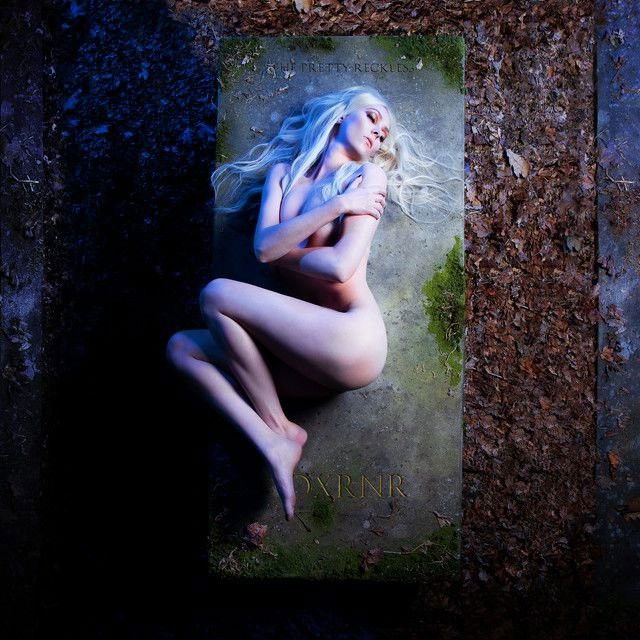
The track is the title song from The Pretty Reckless album Death by Rock and Roll, released in 2021. Frontwoman Taylor Momsen has discussed the album in connection with personal loss and survival after the deaths of producer Kato Khandwala and Chris Cornell, giving the record a deeper emotional backdrop beyond its swaggering sound (Loudwire, Forbes).
A Tombstone Motto, Not Just a Hook
At the center of the song is the repeated line about a tombstone marked Death by Rock and Roll
. In plain terms, that hook says they want their life summed up by the music and culture that shaped them. It is half joke, half threat, and half creed.
Interpretation: The phrase works as a badge of identity. Instead of asking for pity or redemption, the speaker asks to be remembered as someone who belonged to rock and roll completely. That makes the song less about dying and more about refusing a tame life.

Watch the official Death By Rock And Roll
music video
Why the Verses Feel Like a Graveyard of Legends
The song opens by naming people who died in tragic ways. Those details are stark, but they are not there only for drama. They create a pattern: the world of rock, fame, and rebellion often comes with damage, addiction, violence, and collapse.
By moving through these stories and then returning to the same refrain, the song links private ruin to public myth. It says, in effect, that rock history is crowded with people who burned hard and paid for it.
Interpretation: The named figures may not be literal portraits of one person each. They can also be read as archetypes—the doomed artist, the addict, the outlaw, the survivor who still gets consumed. That broadens the song from biography into legend.
The Real Argument: Freedom Over Rescue
One of the clearest ideas in the lyric is personal control. The repeated desire to go out my way
frames the whole song as a refusal to let religion, society, or anyone else clean up the speaker's life story.
That is why lines about danger land so strongly. Phrases like shotgun blast
and motorcycle crash
are extreme, but they express a mindset more than a plan. They dramatize a demand for agency, even in destruction.
There is also a line about not needing to be saved. That matters because it shifts the song away from confession and toward defiance. They are not asking for intervention. They are claiming ownership.
How the Chorus Changes the Song's Mood
Without the chorus, the verses might read like a list of terrible endings. The refrain changes that. Every time the song circles back to the tombstone image, it turns death into branding, myth, and memory.
That gives the song an almost darkly comic confidence. It stares at collapse and then makes it sound triumphant. The hook is catchy because it simplifies a messy idea: if a person is going to be consumed by something, at least let it be the thing they love.
A Short Lyric Snapshot
The song's core idea is summed up in this brief moment:
But on my tombstone when I go
Just putDeath by Rock and Roll
Before and after that line, the lyric piles up stories of ruin. This couplet answers them by turning tragedy into self-authored legend.
How the Sound Carries the Message
Musically, the song supports that reading. It is built on heavy guitar riffs, a blunt drum attack, and a big vocal performance that sounds confrontational rather than fragile. The production does not soften the lyric's darkness. It amplifies it.
That matters because the arrangement keeps the song from feeling mournful. Even when the words mention death, the band plays with drive and force. The result is a classic hard rock tension: fatalistic content delivered with life-affirming energy.
The song was written by Taylor Momsen and Ben Phillips, long-time creative partners in the band. That consistency helps explain why the track feels so direct and tailored to The Pretty Reckless identity rather than like a generic shock-rock anthem.
Grief Hiding Inside the Swagger
There is another layer to the meaning of Death By Rock And Roll The Pretty Reckless when the album context is included. Momsen has spoken about making the record after major personal losses, and that gives the title track a shadow beneath its bravado.
Interpretation: In that light, the song can be heard as a survival statement. Instead of surrendering to grief, they answer it with volume, movement, and a refusal to be spiritually flattened. What sounds like a death wish may actually be a way of staying alive through art.
That reading makes phrases like I won't pray
and don't need to be saved
feel less like nihilism and more like resistance. The speaker is not embracing emptiness. They are rejecting false comfort.
Final Take: A Rock Myth With a Human Core
In the end, this song uses violent images to talk about devotion. It imagines rock and roll as religion, curse, and identity all at once. The persona wants no clean ending, only an honest one.
So the song's power comes from its split personality: it is theatrical and personal, reckless and controlled, fun and haunted. That is why it lasts beyond the first shock. Underneath the noise, it asks a simple question: what deserves to define a life?
Disclaimer: This interpretation combines lyrical analysis with publicly discussed artist context. Like most songs, it can support more than one valid reading.







