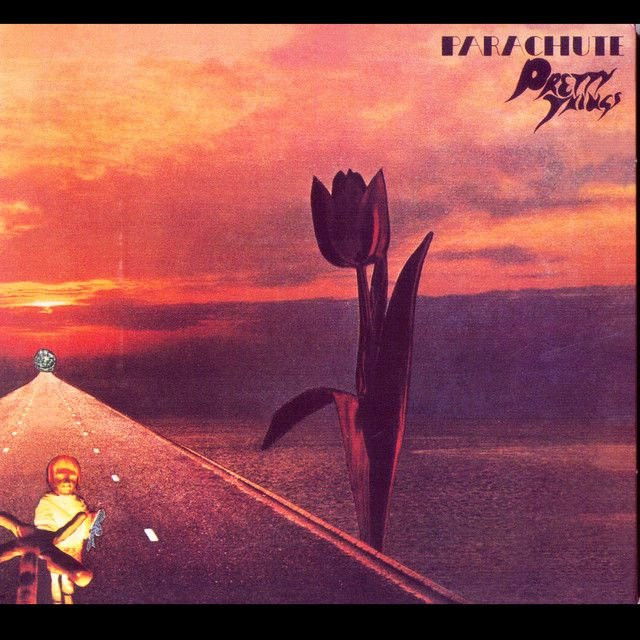
Sickle Clowns by The Pretty Things
A dark ballad about innocence under attack
The meaning of Sickle Clowns The Pretty Things seems rooted in shock, grief, and the collapse of youthful freedom. The song paints a scene that begins in open nature and ends in smoke, blame, and unanswered death. Rather than tell a neat story, they use dreamlike images to show how violence can rip through a generation.
"Sickle Clowns" - The Pretty Things
Three sickle mounted souls,
Lay wined on the green leaf,
Loading lyrics...
Unable to load lyrics
We're unable to display the lyrics at this time. Please try again later.
At the center are young figures by the river, close to music and pleasure, described with the odd, memorable image of digging their rock 'n' roll
. That phrase matters because it places them in a world of youth culture, not war. Then the scene turns brutal. The song’s emotional force comes from that sudden shift.
Watch the official Sickle Clowns
music video
Where the lyrics point emotionally
From pastoral calm to public violence
The opening suggests peace: a riverbank, greenery, people stretched out in the open air. Then the silence breaks. The song says it was slashed by the wild geese
, which sounds poetic at first, but the word “slashed” introduces harm before the human violence fully arrives.
Soon the lyrics move to sticks, anger, and murder. The direct phrase young america murdered there
gives the song its political sting. Even if the exact event is left unclear, the song clearly frames the dead as young people caught in a wider cultural conflict.
A song about witness, not just victims
One of the most painful details is that when one person is dying, only two remain to care. That image shrinks a public tragedy down to a tiny, human scene. Instead of focusing on heroic action, they focus on abandonment, fear, and the helplessness of survivors.
Later, the song says we search for those to blame
. That final move broadens the story again. It suggests that the violence is not random in feeling, even if it feels chaotic in the moment. Someone, or some system, must answer for it.
The symbols that make the song feel haunted
Why “sickle clowns” is such a strange phrase
Interpretation: The title image sounds deliberately unstable. “Clowns” can imply youth, foolishness, performance, or vulnerability. “Sickle” suggests a sharp edge, harvest, or death. Put together, the phrase may describe young people who seem playful on the surface but are surrounded by danger.
It may also hint at how society sees them: as colorful outsiders, easy to dismiss, until they become casualties. That tension helps explain the song’s mood. The people in it are both symbolic and painfully real.
Nature as a witness to loss
The river, valleys, hill, flowers, morning, and black sky all matter. The landscape does not protect anyone. Instead, nature witnesses what people do to each other.
One especially strong contrast comes when children pick flowers while the day fades away. That calm image is set against earlier violence and later fire. The result is a feeling that innocence still exists, but only briefly, and under threat.
A likely social reading of the song
Interpretation: Many listeners hear the track as a response to political violence around youth protest in the late 1960s and early 1970s. The phrase about “young America,” along with images of clubs, flames, and confusion over why lives were taken, supports that reading.
That does not prove the song refers to one single event. Still, it strongly suggests a broader statement about a country turning on its own young people. The lyrics do not read like private heartbreak. They feel public, bitter, and accusatory.
This fits The Pretty Things’ larger history as a British rock band that often leaned into darker, psychedelic, and socially charged material during their late-1960s and early-1970s period. Basic discography and band history are documented by sources such as AllMusic and Discogs.
How the sound supports the meaning
Even without quoting much, the lyric writing suggests a heavy, ominous performance style. The repeated Hey hey
likely works less like celebration and more like an echo, chant, or taunt. In a rock setting, that kind of refrain can feel communal in a disturbing way, as if a crowd is present while events spin out of control.
The imagery also points toward a song with sharp dynamic changes: calm verses, then blows of violence, then a smoky aftermath. If the arrangement follows that emotional arc, the music would reinforce the feeling of innocence being shattered.
For The Pretty Things, that approach would make sense. They were known for blending raw rock energy with more experimental and atmospheric writing, especially after their early R&B years, a shift covered in overviews from Britannica and AllMusic.
Why the ending lingers
The closing image of fire and drifting smoke matters because it refuses easy closure. The dead are gone, but the reason remains contested. The song says they burn without knowing why their lives were taken. That lack of clarity is the point.
Instead of ending with revenge or comfort, they end with accusation and confusion. That is what gives the song its lasting power. The meaning of Sickle Clowns The Pretty Things is not just that violence happened. It is that a culture failed to explain, justify, or mourn it well enough.
Final takeaway
At its core, the song seems to mourn young lives crushed by collective hatred. It uses surreal images, open landscapes, and sudden brutality to show innocence turning into memory.
Interpretation: The most convincing reading is that they are lamenting social and political violence against youth, while also criticizing the people who look away from it. Still, song meaning is never fully fixed, and listeners may hear personal, historical, or symbolic layers that go beyond any single explanation.
Disclaimer: This interpretation is based on the lyrics, the band’s wider style, and historical context. Without a definitive statement from the writers, some meanings remain open to debate.








