Why 'Breathe' by The Prodigy Still Feels Dangerous
The meaning of Breathe The Prodigy starts with a simple idea: in a world that feels hostile, even breathing can feel like an act of survival. The song does not tell a neat story. Instead, they build pressure through fragments of threat, desire, and confusion, then answer that pressure with one repeated command: stop and breathe.
"Breathe" - The Prodigy
(Yeah)
Set the time for the battleground
Loading lyrics...
Unable to load lyrics
We're unable to display the lyrics at this time. Please try again later.
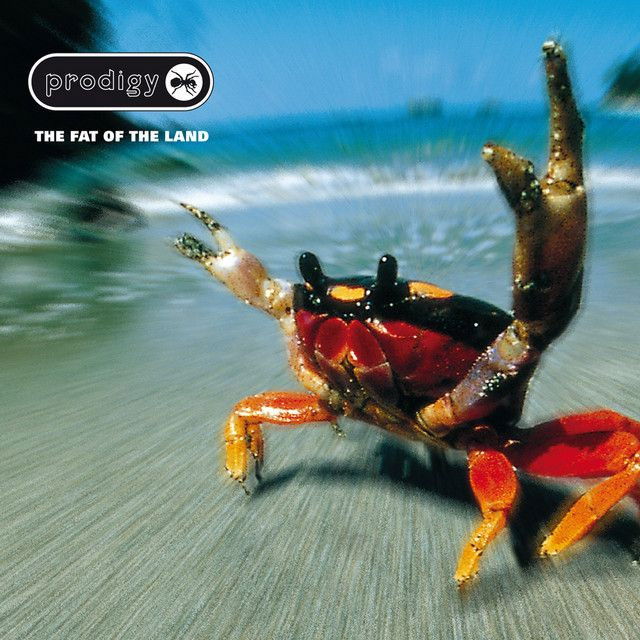
Released on 11 November 1996 as the second single from The Fat of the Land, “Breathe” became one of The Prodigy’s defining hits, reaching No. 1 in the UK and several other countries, according to Wikipedia. That success matters because the track sounded darker and more tense than a standard crossover dance single. It felt like rave music with a panic attack inside it.
A Survival Song Disguised as a Club Anthem
At the broadest level, the song captures life under pressure. The verses pile up images of danger, confusion, and sensory overload. In the version most listeners know, the language is surreal and threatening, while the newer lyric set provided here makes the threats more openly political.
Interpretation: both versions point toward the same emotional core. They describe a person surrounded by noise, fear, and manipulation, trying not to lose control. That is why the hook matters so much. When they repeat Breathe with me
and stop and breathe
, it sounds less like relaxation advice and more like emergency instruction.
The word “breathe” becomes a symbol. It suggests staying calm, staying alive, and refusing to be swallowed by panic. That is the clearest path into the meaning of Breathe The Prodigy.
Watch the official Breathe
music video
How the Verses Build a World of Threat
The lyrics in the provided text open like a warning siren. Phrases about a battleground
, being hunted, and homes surrounded create a climate of siege. Even before the chorus arrives, the song says that normal life has been invaded.
Then the song widens its focus. It moves from physical danger to social pressure: polarized politics, glowing screens, military spending, and an expensive dream sold as freedom. The line about the American dream
being overpriced is especially sharp. It suggests that comfort, safety, and success are marketed as universal goals, but many people cannot actually afford them.
Interpretation: this makes the song feel larger than a personal breakdown. It becomes a portrait of modern anxiety, where fear comes from governments, media, economics, and everyday instability all at once.
The Chorus Turns Panic Into Community
The chorus is short, but it changes the whole track. After the tense imagery, the repeated invitation to breathe offers a tiny form of solidarity. They are not saying, “I’m fine.” They are saying, “Come through this with me.”
That is why the hook feels surprisingly warm inside such a harsh song. The phrase Come breathe with me
can sound seductive, threatening, or comforting depending on the moment. The ambiguity is part of the song’s power.
Breathe with me
Sometimes you got to stop and breathe
In plain terms, the chorus argues that survival begins with regaining control of the body. Before anyone can fight back, think clearly, or carry on, they have to steady themselves.
Sound First, Meaning Close Behind
A big part of the meaning of Breathe The Prodigy comes from the production. Liam Howlett produced the original track, which blends big beat force with rock texture and eerie atmosphere, per Wikipedia. The song also features guitar from Jim Davies and samples including a Thin Lizzy drum break and a Wu-Tang Clan sound effect.
Those details matter because the arrangement feels boxed in and aggressive. Critics at the time described its beat, bass, and vocals as sinister and intense; Billboard noted its “caustic synths” and snarling energy, while Melody Maker called it “nervous tension made music” as quoted in the same source.
That description is exactly right. The beat does not glide; it stomps. The bassline lurks rather than swings. The vocal delivery sounds half-command, half-convulsion. Together, those choices make the song feel claustrophobic, which reinforces the lyrical sense of pressure.
Artist Context Makes the Darkness Land Harder
By late 1996, The Prodigy were already pushing rave into more confrontational territory. “Firestarter” had prepared audiences for that shift, but “Breathe” deepened it. Rather than offering pure release, they gave listeners menace, repetition, and unease.
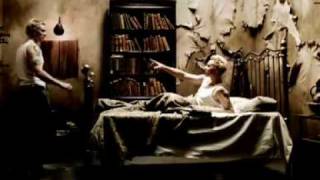
That risk paid off. The song became a global hit and later earned lasting critical praise, appearing on lists such as Q’s “1001 Best Songs Ever,” as summarized by Wikipedia. Its video, directed by Walter Stern, placed the band in a decaying apartment filled with psychological disturbance and phobic imagery, which matches the track’s trapped, haunted mood.
More Than One Reading Still Fits
There is no single locked meaning here. Interpretation: one reading sees the song as political anxiety turned into rhythm. Another hears it as a portrait of mental overload, where breathing stands for grounding during panic. A third hears seduction mixed with danger, since the invitation to breathe together can sound intimate as well as controlling.
All three work because the song is built from pressure, not plot. They do not explain every image. They make listeners feel boxed in, then offer one repeated path through it.
Why the Song Still Hits
“Breathe” still feels current because its fears are still current: social division, media saturation, and the sensation of being pushed past emotional limits. Its answer is small but powerful. Do not pretend the danger is not there. Do not drown in it either. Pause, gather yourself, and keep going.
That is why the meaning of Breathe The Prodigy lasts. It turns breath into defiance.
Disclaimer: This interpretation blends documented facts about the song with critical reading of its lyrics, sound, and imagery. Meaning can vary from listener to listener.







