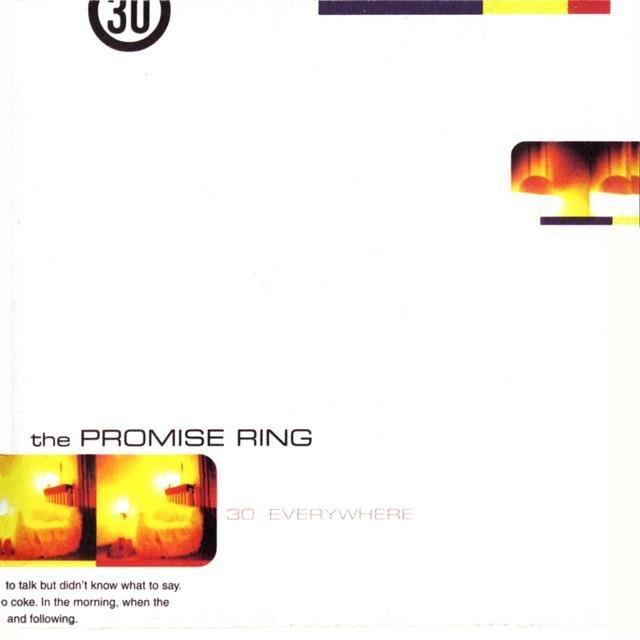
A Picture Postcard by The Promise Ring
The meaning of A Picture Postcard The Promise Ring comes down to one sharp emotional scene: someone wants closeness at the exact moment distance is opening up. The song is small in scale, but its feelings are huge. A touch, a ride home, a missed bus, and a plea not to leave too quickly all combine into a portrait of young love under pressure.
"A Picture Postcard" - The Promise Ring
or put my lips to your hand.
Birmingham has gone to motors.
Loading lyrics...
Unable to load lyrics
We're unable to display the lyrics at this time. Please try again later.
The Promise Ring were a key band in second-wave emo, forming in Milwaukee in 1995 and helping define the sound through early releases like 30° Everywhere and Nothing Feels Good (Wikipedia). “A Picture Postcard” first appeared on the Falsetto Keeps Time EP in 1996 and then on 30° Everywhere later that year, where it became one of the group’s signature early songs (Wikipedia).
A Goodbye Scene Made to Feel Immediate
On the surface, the song describes a very ordinary moment. One person reaches for another, asks for affection, and reacts to the fact that they may be leaving. But the ordinary details are what make the song hit. Instead of grand poetry, it uses physical gestures and travel images to show anxiety.
The opening lines are full of contact: hands, lips, stomach, hand. That focus suggests a person trying to hold onto connection before it slips away. When the song turns toward movement and transit, with phrases like keep your eyes on the road
and a question about the second bus home
, the emotional center becomes clear: the problem is not just travel, but separation.
Interpretation: the song is about how young relationships can feel most intense in between places. Cars, roads, buses, and quick decisions become symbols of whether love can last past the moment.
Watch the official A Picture Postcard
music video
Why the Chorus Feels So Desperate
The emotional peak comes when the narrator asks not to be forgotten and asks for a kiss if the other person is truly leaving. That request is simple, but it carries panic. It sounds like they know the goodbye may be real, yet they still hope one last gesture can prove the bond matters.
The short plea don’t forget to kiss me
is important because it mixes tenderness with fear. It is not a dramatic threat or accusation. It is smaller than that, and more believable. They are asking for proof of affection in a moment when words may not be enough.
That is why the song still feels emotionally accurate. Many breakup or almost-breakup songs go big. This one stays in the awkward middle, where nobody has made a speech, but both people can feel the distance growing.
Strange Details, Real Feelings
One of the song’s most memorable turns is the line you’re from mars
. It adds a playful, even slightly surreal image to a song grounded in roads and touch. But that contrast matters.
Interpretation: saying someone seems to be from another planet is a way of admitting they feel hard to understand. The other person is close enough to touch, yet emotionally far away. That image captures a common Promise Ring quality: plainspoken emotion with a twist of oddness.
The Birmingham reference works in a similar way. Whether listeners take it as a real place, a passing image, or a sign of industry and movement, it supports the song’s larger mood of transit. Everything is in motion, and motion threatens intimacy.
Couldn’t you just take me with you?
I’m convinced that you’re from mars.
These lines sum up the song’s emotional logic. First comes the wish to remain together. Then comes the confession that the other person already feels beyond reach.
How the Sound Carries the Meaning
Part of the meaning of A Picture Postcard The Promise Ring comes from how it sounds, not just what it says. The Promise Ring’s early music pulled from emo, indie rock, and punk energy, and “A Picture Postcard” has that lean, urgent feel (Wikipedia).
The guitars move with nervous brightness rather than heavy gloom. The drums push the song forward, which mirrors the lyrical sense that time is running out. Davey von Bohlen’s vocal style also matters. He does not sound polished or distant; he sounds immediate, almost like someone blurting out thoughts before the ride ends.
That roughness fits the album’s history. 30° Everywhere was recorded in only five days, and von Bohlen later said the band had no idea what we wanted
from the record, while Dan Didier criticized the timing and recording setup (Wikipedia). Oddly, that instability may help the song. Its imperfect edges match the insecurity inside the lyrics.
The Song’s Place in Emo History
Even though the band later evolved toward cleaner and poppier sounds, this track remained a landmark of their early period. It is often singled out as one of the songs that helped make The Promise Ring central to second-wave emo, and it became a genre staple (Wikipedia).
That legacy makes sense. The song has several traits that later emo bands would keep using:
- everyday details instead of grand symbols
- vulnerable questions instead of confident statements
- motion and travel as signs of unstable love
- a sound that feels bright and wounded at once
In that way, “A Picture Postcard” is both a personal song and a blueprint. It takes a tiny scene and lets it stand for the fear that affection may not survive departure.
Final Take on Its Lasting Pull
The best way to hear the song is as a snapshot of closeness under threat. It is not about a fully finished breakup. It is about the moment just before certainty, when someone still asks for touch, delay, and reassurance.
That is why the song endures. It understands that heartbreak often starts in the smallest requests, not the biggest speeches.
Disclaimer: This interpretation is based on the released lyrics, musical context, and documented band history. As with most songs, listeners may reasonably hear different meanings in it.








