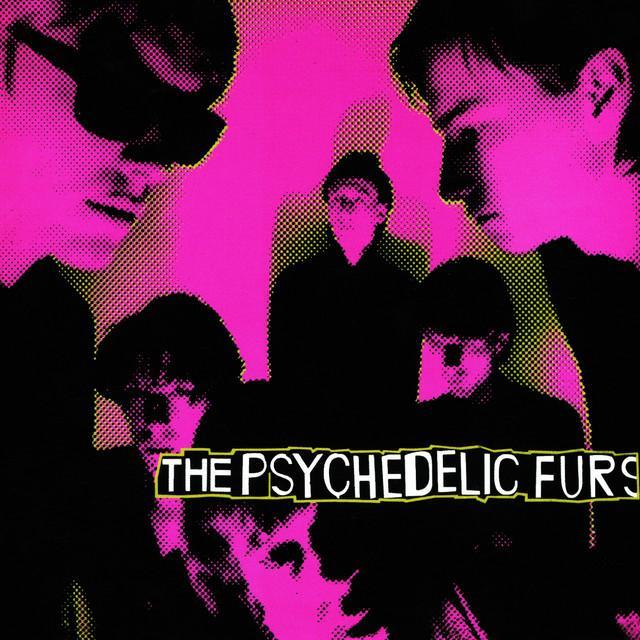
Why "Pulse" by The Psychedelic Furs Feels So Uneasy
The meaning of Pulse The Psychedelic Furs is not a neat, one-line message. It feels more like a rush of urban images, spiritual jokes, and emotional whiplash. The song throws the listener into a world of painted surfaces, screaming bodies, and people chasing meaning in a place that seems drained of it.
"Pulse" - The Psychedelic Furs
She paints her hair
Her hair is dead
Loading lyrics...
Unable to load lyrics
We're unable to display the lyrics at this time. Please try again later.
That is part of what makes it memorable. The Psychedelic Furs built their reputation on art-rock tension, post-punk mood, and Richard Butler’s fractured poetic style, a sound and sensibility often noted in overviews of the band’s career, including the group’s official site and AllMusic. In “Pulse,” that style becomes a portrait of a social scene that looks alive but may be spiritually empty.
A City Song About Performance and Decay
At first glance, the song opens with a striking character sketch. A woman paints herself, changes her look, and seems to live inside a harsh city landscape. The phrase paints herself red
suggests self-invention, but not in a calm or healthy way. It sounds theatrical, urgent, even desperate.
Then the song pushes that personal image into something bigger. She is living among bodies that scream
, which turns the city into a mass of suffering, noise, and pressure. This is not a romantic urban scene. It feels crowded, overheated, and emotionally damaged.
Interpretation: The woman may be one person, but she also may stand for a whole culture built on appearance. Her dyed image and “dead” hair suggest beauty that has already gone stale. In that reading, the song is less about one relationship and more about a community trapped in style without real comfort.
Watch the official Pulse
music video
The Chorus Turns the Scene Into a Social Critique
The title phrase matters because it gives the song its central metaphor. When the band sings the pulse of fools like you
, they seem to define the beat of this world as confused, hollow, and self-defeating. A pulse usually signals life. Here, it may be the life-sign of a damaged culture.
The next color shift deepens that idea. The lyric about sounding red and turning blue presents emotion as unstable. Red suggests heat, excitement, danger, or pose. Blue suggests sadness, collapse, or emotional cooling. The song moves from intensity to numbness in a single breath.
That makes the chorus feel less like a celebration and more like exposure. It hears the rhythm of modern life and finds emptiness inside it.
Religion, Irony, and False Salvation
One of the sharpest lines is We are all Jesus
. Taken literally, it makes little sense. Taken as satire, it says a lot. The song may be mocking the human habit of treating every personal drama like a grand sacrifice.
The follow-up idea, we all dream
, softens the line while also making it stranger. Everyone wants transcendence. Everyone wants to matter. But in this song, those desires seem mixed with vanity, noise, and delusion.
Interpretation: “Pulse” may be criticizing false holiness in everyday culture. People say big words, play roles, and perform righteousness, but the song sees a lot of emptiness underneath. That reading fits lines about useless gods and miracle talk, which sound like attacks on cheap belief and recycled slogans.
The Surreal Images Matter More Than Plot
“Pulse” does not tell a clear story from beginning to end. Instead, it builds meaning through repeated images. The dancer, the ceiling, the sky, the sea, and the wall all make the song feel like a room where reality keeps getting repainted.
See the dancer see me reeling
Paint the sky upon the ceiling
Those lines suggest motion, dizziness, and imagination trying to cover over a bleak space. A ceiling is not the sky, of course. Painting one onto the other feels like an act of escape. It is art as disguise, fantasy as survival.
That image connects back to the woman at the start. She paints herself; the song paints the room; the culture paints over its own decay. Everything is being restyled because reality is too ugly to face directly.
How the Sound Carries the Meaning
The Psychedelic Furs came out of the British post-punk wave, where jagged guitars, driving bass, and tense vocals often carried themes of alienation and anxiety, as noted in histories from sources like Britannica and AllMusic. That musical background matters when hearing “Pulse.”
Even on the page, the lyrics move in sharp bursts. In performance, that kind of writing usually works best with a rigid beat and nervous momentum. The title itself suggests rhythm, and the repeated refrain likely acts like a mechanical heartbeat. Butler’s vocal style often sounds half-spoken and half-strained, which helps turn abstract lines into emotional pressure.
So the production meaning is clear even without overexplaining every instrument: the music probably does not “solve” the song’s tension. It holds the listener inside it.
A Few Strong Readings of What "Pulse" Means
There are at least three solid ways to read the meaning of Pulse The Psychedelic Furs:
- Urban decay portrait: The song captures city life as glamorous on the surface and damaged underneath.
- Critique of image culture: The repeated painting imagery suggests people constructing identities to hide emptiness.
- Spiritual satire: Religious language is used ironically to expose ego, false salvation, and empty social rituals.
These readings can all be true at once. That layered ambiguity is part of the band’s appeal.
Why the Song Still Lingers
“Pulse” stays interesting because it never becomes preachy. It is moody, strange, and visually intense, but it keeps enough mystery to pull listeners back. They do not need a perfect plot to feel what it is saying.
In the end, the song seems to hear a society still moving, still dancing, still decorating itself, even as it loses touch with anything solid. That is why its title feels so sharp: the beat is there, but what kind of life does it really measure?
Disclaimer: This interpretation is based on the lyrics, the band’s style, and available background information. As with many Psychedelic Furs songs, ambiguity is part of the art, so other readings are possible.








