Why “Don’t Cha” Still Sounds So Daring
The meaning of Don't Cha The Pussycat Dolls, Busta Rhymes starts with a simple setup: a woman sees mutual attraction, knows the man is taken, and turns that tension into a bold challenge. Instead of sounding shy or romantic, the song sounds teasing, stylish, and fully aware of the trouble it is stirring.
"Don't Cha" - The Pussycat Dolls, Busta Rhymes
Ooh, baby
Dolls
Loading lyrics...
Unable to load lyrics
We're unable to display the lyrics at this time. Please try again later.
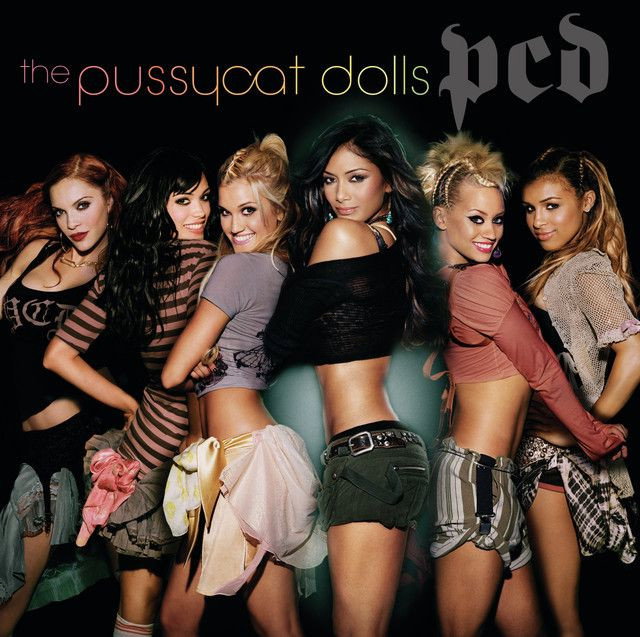
Released in 2005 as the lead single from PCD, the track became the Pussycat Dolls’ breakout hit and peaked at No. 2 on the US Billboard Hot 100 while reaching No. 1 in multiple countries. It was produced by CeeLo Green and features Busta Rhymes, helping define the group’s mainstream pop-R&B image.
A Flirtation Built on Temptation
On the surface, the song is about attraction. The speaker believes a taken man is interested and says that his girlfriend notices it too. That is why the verses feel like a social scene in motion, not just a private fantasy.
The hook makes the idea obvious with the repeated challenge Don’t cha wish
. The lyric is not asking a real question. It is a taunt. It pushes the man to admit desire while also reminding everyone that he already belongs to someone else.
That is what gives the song its spark. It is not a love song. It is a temptation song.

Watch the official Don't Cha
music video
Confidence, Competition, and a Wink
One reason the track lasted is that it can be heard in two ways at once.
Interpretation: On one level, it sounds like female self-confidence turned all the way up. The speaker presents herself as exciting, attractive, and unforgettable. Phrases like hot like me
and fun like me
are exaggerated on purpose, almost like a performance of confidence.
Interpretation: On another level, the song is openly competitive. It compares one woman to another and turns desire into a contest. That tension is part of why some critics embraced the song’s swagger while others criticized its view of women and relationships.
Both readings fit. The performance is playful, but the message is also sharp.
The Surprise Twist in the Verses
What keeps the song from becoming a simple steal-your-man anthem is the second verse. After all the teasing, the narrator briefly pulls back. She admits the girlfriend loves him and suggests he should not wreck a stable relationship over chemistry.
That idea appears in the warning leave a happy home
. It matters because it adds self-awareness. The singer knows the attraction is real, but they also know lust is not the same as love.
This makes the song more layered than its chorus suggests. It acts provocative, yet it also recognizes a line that should not be crossed.
Let’s keep it friendlyYou have to play fair
Those lines are short, but they change the mood. They show that underneath the swagger, the narrator understands consequences.
Why the Hook Hits So Hard
The chorus works because it is repetitive, direct, and instantly memorable. CeeLo Green built the song around a hook that interpolates Sir Mix-a-Lot’s earlier Swass
, giving it a familiar chant-like shape while shifting the idea into a female-led taunt.
Musically, that hook lands over a clean, driving groove. Reports on the song’s composition place it in B-flat minor at about 120 BPM, which gives it a dance-floor pulse without sounding frantic. The beat stays steady while the vocals do the provocation.
That balance is key to the meaning of Don't Cha The Pussycat Dolls, Busta Rhymes. The production never sounds emotional or messy. It sounds controlled. The singer is not overwhelmed by desire; they are staging it.
How the Sound Sells the Attitude
The instrumental gives the song much of its personality. It combines R&B sleekness with club energy, using a minimalist bass foundation, crisp drums, and bright horn touches. Those brass accents make the track feel brassy in both senses: musically bold and emotionally cheeky.
Nicole Scherzinger’s lead vocal also shapes the meaning. She delivers the lines with cool precision, not heartbreak. That makes the narrator sound in command.
Busta Rhymes adds extra momentum rather than emotional depth. His feature raises the track’s event feel, making the song bigger, louder, and more playful. Even listeners who find the cameo distracting often agree that it boosts the song’s hype.
The Bigger Pop-Culture Picture
“Don’t Cha” mattered because it introduced the Pussycat Dolls to the mainstream as more than a dance troupe. It became their signature hit and helped set the tone for the group’s image: glamorous, provocative, choreographed, and self-aware.
The music video reinforced that meaning with racing, party scenes, and stylized choreography. Nicole Scherzinger later framed the concept as being confident, having fun, and feeling hot, not only looking hot. That comment helps explain why many fans hear the song less as cruelty and more as exaggerated performance.
Still, the criticism never fully disappears. Some listeners hear empowerment; others hear objectification and rivalry. That tension is part of the song’s legacy.
The Lasting Meaning
In the end, “Don’t Cha” is about temptation dressed up as confidence. It explores the thrill of being desired, the ego boost of knowing it, and the line between fantasy and action. Its real subject is not romance but power in a social moment.
That is why the song still works. It is catchy enough for a party, but sharp enough to start debate.
Interpretation disclaimer: Song meaning is not always fixed. This reading is based on the lyrics, performance, production, and public context around the track, and other listeners may reasonably hear it differently.








