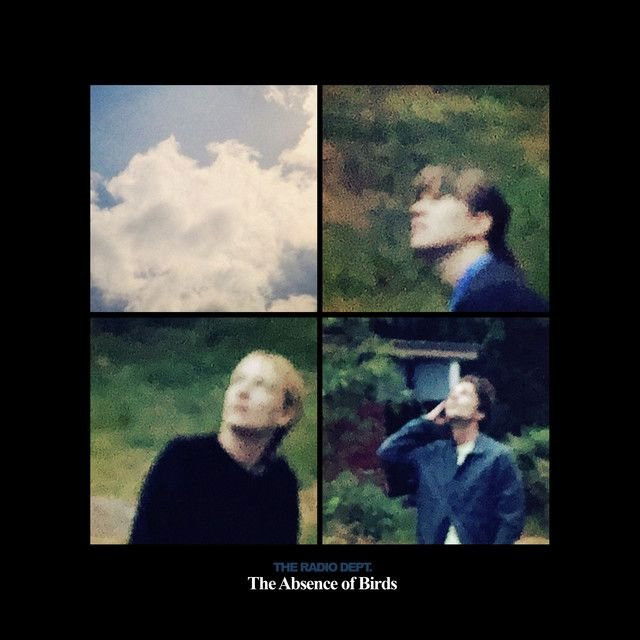
Why 'The Absence of Birds' Feels So Lonely
The meaning of The Absence of Birds The Radio Dept. starts with a simple feeling: missing someone so strongly that the whole world seems shaped by their absence. In this song, The Radio Dept. turn a neighborhood party into a portrait of longing. The drums, voices, cars, and late-night air all create motion, but the narrator stays emotionally still.
"The Absence of Birds" - The Radio Dept.
Flooding my street
And the girls they seem ecstatic
Loading lyrics...
Unable to load lyrics
We're unable to display the lyrics at this time. Please try again later.
That tension is why the track lingers. It is not only about heartbreak. It is about being stuck inside a scene that should feel alive, while every sound points back to one person who is not there.
A Quiet Song About a Loud Night
Factually, The Radio Dept. released the song in 2020, their first new music since 2018, during a period that also included tour plans and renewed activity around the band. Contemporary coverage from Pitchfork, Paste, and Stereogum all framed it as a return to their signature dreamy restraint rather than the more direct politics of some earlier work.
The band themselves gave the clearest summary. In a statement reported by Paste, they said the song is about missing someone and about pushing chance so that something unexpected might happen. That matters because it confirms the emotional center: absence, desire, and a faint hope that music or circumstance might close the distance.

Watch the official The Absence of Birds
music video
The Scene They Build, Step by Step
The lyrics place the narrator in a very specific setting. There is street noise, a party nearby, and a car left outside. Instead of joining the social energy, they sit with memory and repetition, playing old tapes until morning.
A few small details do most of the work. The line about block party with neighbours
creates a communal backdrop, but it is not comforting. It feels almost ironic. Everyone else is part of a shared moment, while the narrator is locked in private thought.
Then there is the image of spending hours in the front seat
. That suggests waiting, hesitation, and emotional paralysis. The narrator is physically near motion, but they still can't drive
. Whether that is literal or symbolic, the feeling is the same: they cannot move forward.
Who Is Speaking, and to Whom?
The song uses a first-person voice, but its emotional target is another person far away. The narrator keeps turning the outside world into a message for that absent listener. Even the music around them becomes a possible signal.
This idea comes through most clearly when they hope the song can reach your distant ears
. In plain terms, they want their feelings to travel farther than they can. They cannot close the gap in person, so they imagine sound doing it for them.
Longing Mixed With Self-Restraint
Another key part of the song is shame or caution. The repeated thought that these are things they should not say or do suggests emotional self-policing. They want closeness, but they also feel that wanting too much may be risky, embarrassing, or unwelcome.
Interpretation: This is what gives the song its tenderness. It is not a dramatic plea. It is a hesitant confession from someone who feels deeply but speaks softly.
What the Title Really Adds
The title is striking because birds usually suggest movement, dawn, freedom, or natural song. Here, what stands out is that they are missing. The lyrics mention the absence of birds
after describing amplified neighborhood noise, making the contrast sharp.
Interpretation: The missing birds may symbolize a world where natural feeling has been replaced by artificial sound. The party is loud, but it does not soothe them. Human noise fills the street, yet something essential is gone.
That is why the title works so well. It turns absence into atmosphere. The listener does not just hear loneliness; they hear a world where a familiar kind of life has fallen silent.
How the Sound Carries the Emotion
The Radio Dept. have long been associated with dream-pop, indie pop, and shoegaze textures, and reviewers heard this song as a strong example of that style. Pitchfork highlighted twinkling guitar arpeggios, lo-fi cymbal splashes, and tender vocals, while Paste emphasized lush guitars and warm, fuzzy production.
Those details are not just decoration. The soft blur of the arrangement mirrors the narrator's half-trapped state. Nothing hits too hard. The song drifts, glows, and circles back on itself, much like a mind replaying one feeling over and over.
Interpretation: The production makes longing feel suspended in time. Rather than building to a big release, the track stays gently unresolved. That unresolved quality fits a song where the person being addressed never arrives.
A Small Story With a Bigger Theme
One reason the meaning of The Absence of Birds The Radio Dept. connects so strongly is that it captures a familiar emotional contradiction:
- the world outside is busy
- the inner life is fixed on one absence
- noise does not cancel loneliness
- memory can feel more immediate than the present
The song also hints at social observation. The lyrics briefly note that, this time, blame is not falling where it usually does. That suggests shifting tensions in the crowd, but the song does not fully explain them. Instead, it uses that detail to show a wider world continuing around the narrator's private ache.
Why It Still Resonates
The song feels intimate because it never overexplains itself. It gives the listener a car seat, a street, a late hour, and a mind that cannot let go. From there, the emotions bloom naturally.
In the end, the song is less about a breakup story than a state of being: wanting closeness in a world full of interference. The party, the tapes, and the missing birds all point to the same truth. Someone is gone, and everything else sounds different because of it.
Disclaimer: This article offers interpretation based on the lyrics, the band's public statement, and critical context. Song meaning can remain open, and listeners may hear it differently.








