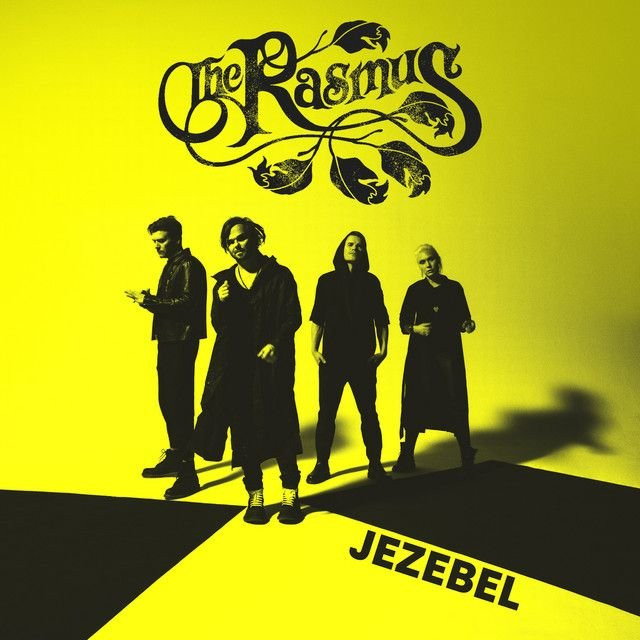
Jezebel by The Rasmus
Why This Chorus Hits So Fast
The meaning of Jezebel The Rasmus starts with a simple tension: attraction and danger are fused together. The song paints a woman who is magnetic, self-possessed, and hard to hold onto. The speaker is drawn to her even while knowing she can leave damage behind.
"Jezebel" - The Rasmus
Game set, a killer shark in heels
I'm just the first shot on your hit list
Loading lyrics...
Unable to load lyrics
We're unable to display the lyrics at this time. Please try again later.
Factually, “Jezebel” was released in January 2022, later appeared on Rise, and represented Finland at Eurovision 2022. It was written by Lauri Ylönen and Desmond Child, with Child producing the track, according to Wikipedia and other cited reports. That matters because Child’s pop-rock style helps make the song feel sleek, sharp, and instantly hooky.

Watch the official Jezebel
music video
The Core Story Behind the Name
The title points to the biblical name Jezebel, which in modern pop culture often suggests a seductive, rebellious, or socially feared woman. In this song, The Rasmus use that name less as a history lesson and more as a symbol. Their Jezebel is not passive. She takes control of the room, the night, and the relationship.
Lauri Ylönen described the song as being about a woman who takes what she wants, while Desmond Child called it a tribute to strong women. That comment, reported in a Blabbermouth item, shapes how listeners can hear the song: not only as a warning, but also as admiration.
A Portrait of Power, Not Innocence
From the first verse, the writing turns nightlife into theater. They present someone getting ready to perform a role, almost like armor is going on before battle. The image of put your face on
suggests makeup, image-making, and self-invention.
Then the song quickly shifts into predator language. Phrases like killer shark in heels
and predator on wheels
turn Jezebel into a force of motion. She is glamorous, but she is also framed as hunting. This is not a romance built on safety or balance.
Interpretation: The song is interested in how desire can make someone feel overpowered. The speaker is not simply praising beauty. They are describing the thrill of being outmatched.
Hunter, Prey, and Emotional Risk
The chorus makes the power dynamic plain. When the narrator says I'm the prey
, they admit they are emotionally vulnerable. They are not steering events; they are reacting to them.
That matters because the song never sounds like a stable love song. Instead, it sounds like an account of fascination with someone impossible to contain. Even the line about getting into the speaker’s blood suggests obsession, not comfort. Jezebel is inside the system now, almost like a chemical effect.
You always wanted to be a star
Your final kissleaves a mark.
Those short lines sum up two big ideas: ambition and aftermath. She wants attention, spotlight, and motion. The people she leaves behind are left carrying the emotional scar.
Night Imagery Explains the Song’s Mood
Much of the song happens after dark. Midnight, hunting, lipstick on the mirror, sunrise under the covers: these details create a cycle of performance and disappearance. At night she becomes larger than life; by morning she slips away.
The tiger image is especially important. When the lyric says she turns into a tiger, it gives animal shape to confidence, hunger, and survival. Another telling phrase is ultimate survivor
. That changes the song from simple seduction into something harder and more modern. She is dangerous because she has learned how to be.
Interpretation: One reading is that Jezebel is a femme-fatale fantasy figure. Another is that she represents a woman who refuses to be judged by old rules. The lyrics support both readings, which is why the song can feel both admiring and uneasy at once.
How the Sound Supports the Meaning
Musically, “Jezebel” works because it delivers these ideas in a tight, accessible rock format. The guitars are punchy rather than heavy, the drums push forward, and the chorus lands with arena-sized clarity. That blend fits The Rasmus well: dark imagery carried by a polished hook.
Desmond Child’s involvement is important here. He has long been associated with big, streamlined rock choruses, and that approach can be heard in the song’s compact 3:10 length and direct melodic design. Nothing lingers too long. The arrangement keeps moving, much like the character at its center.
Lauri Ylönen’s vocal also helps sell the meaning. He sounds fascinated more than broken. That balance matters. If he sounded only hurt, the song would become a complaint. Because he sounds energized too, the track preserves the mix of fear and attraction.
Eurovision Context Changes the Reception
“Jezebel” also carried extra meaning because it was The Rasmus’s Eurovision entry for Finland in 2022. The contest rewards songs that communicate character fast, and “Jezebel” does exactly that. The title, the hook, and the imagery are all immediate.
It won Finland’s national selection, UMK 2022, before going on to Eurovision. In that setting, the song’s larger-than-life woman and dramatic chorus make perfect sense. It is built for instant recognition: one name, one mood, one danger.
For U.S. listeners outside Eurovision culture, that context helps explain why the song is so direct and visual. It is not trying to be subtle indie poetry. It is aiming for myth, speed, and impact.
Final Take on the Meaning
In the end, the meaning of Jezebel The Rasmus is about the pull of a person who is powerful, elusive, and emotionally risky. The lyrics describe a woman who commands attention and leaves damage, but they also suggest respect for her freedom and will.
That tension is the whole song. Jezebel is both fantasy and threat, both tribute and cautionary figure. The music turns that mixed feeling into a glossy rock anthem.
Disclaimer: This interpretation separates documented artist comments from critical reading. As with many songs, listeners may hear different meanings in the same imagery.








